Saudi bidder for Lukoil's assets: why Midad Energy is a test of sanctions resilience
Reuters names Midad Energy the leading contender for Lukoil's foreign assets. This is not merely a business deal — it's a test of the sanctions and security mechanisms that influence pressure on the Kremlin.
By Oleg Bazylewicz
December 16, 2025 · 2 min read
What happened
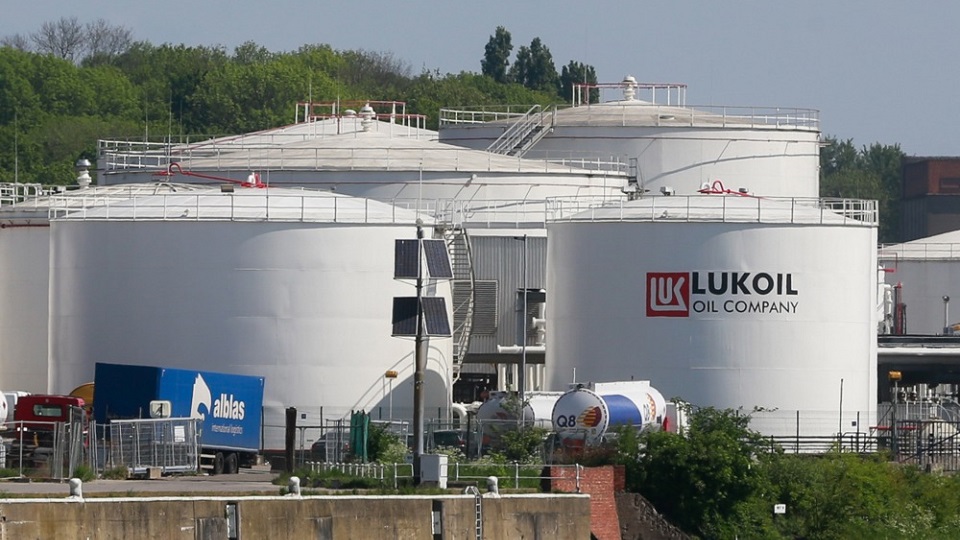
Midad Energy, a Saudi company with political ties and a portfolio of international contacts, has become one of the main contenders to buy the foreign assets of Russian oil giant Lukoil. According to Reuters, payment is proposed in cash with the funds subsequently kept in an escrow account — until possible sanctions relief for the company.
"Midad Energy has become one of the main contenders to acquire Lukoil's international assets."
— Reuters
Key players
The CEO of Midad Energy is Abdulelah Al-Aiban. He is connected to an influential family: his brother Musaed Al-Aiban is Saudi Arabia's national security adviser, who has participated in talks between the US and Russia; their father — Mohammed Al-Aiban — headed Saudi intelligence. Reuters also notes possible participation of American companies in one form or another, and interest in the assets from ExxonMobil, Chevron and Carlyle.
Legal context and restrictions
The US Treasury has already blocked attempts by two other bidders — Gunvor and the bank Xtellus Partners — to buy these assets. The US government issued licenses for the sale of some assets with a defined time window; applications submitted by January 17 are pending. The total valuation of the assets is about $22 billion.
Why this matters for Ukraine
The sale of sanctioned assets is not only a financial operation. If a deal goes through under conditions where the money remains in escrow and access to the assets stays limited until sanctions are fully lifted, that upholds the principle of sanctions pressure. But if oversight mechanisms prove weak, transactions could become a way to ease pressure on the Kremlin and to circumvent restrictions.
For Ukraine the primary interest is preserving the strategic effect of sanctions: they must remain a heavy economic burden on the regime that continues the war. Therefore it is important that partners maintain coordination and transparent rules regarding transactions related to sanctioned assets.
Possible scenarios and what to expect
Analysts highlight several logical options: (1) the deal is delayed or does not occur due to regulator blocking; (2) funds remain in escrow until sanctions are lifted — preserving pressure; (3) political pressure and lobbying lead to attempts at early access to funds or a review of sanctions policy. Each of these has direct consequences for the effectiveness of anti-Russian sanctions and, accordingly, for Ukraine's security.
Conclusion
This potential deal is more than business: it is an indicator of how robust international mechanisms of pressure on Russia remain. As long as Moscow continues the war, the issues of transparency and control over such sales are part of our security. Whether declarations and licenses will turn into real protection against sanction evasion now depends on the decisions of partners and regulators.



