Cardiovascular Medicines via E-Prescription: Why the State Decided to Expand "Affordable Medicines" Now
Starting in August 2025, over 30 new active pharmaceutical ingredients will be added to the reimbursement program, including cardiovascular medications. In parallel, all pharmacies in the country will be required to join the program for the first time.

By Tetiana Suchkova-Ladik
April 24, 2026 · 2 min read
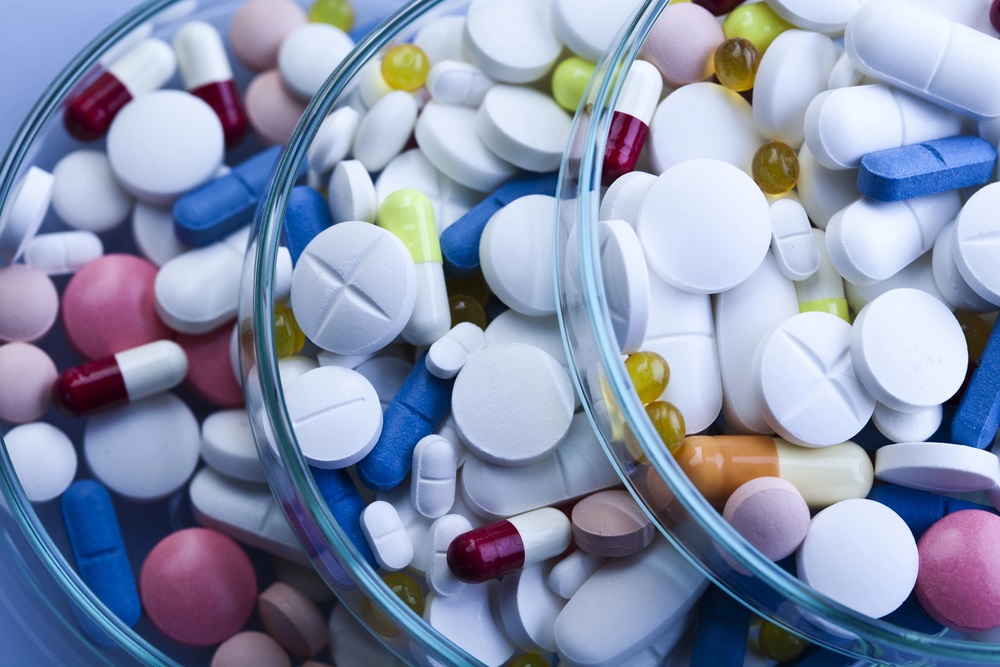
Cardiovascular diseases cause approximately 60% of deaths in Ukraine. Every year, over 800,000 people are diagnosed with coronary heart disease, and nearly 50,000 suffer heart attacks. According to Prime Minister Yulia Svyrydenko, a significant portion of these cases could be prevented with regular treatment — if it were accessible.
This became the official justification for expanding the "Affordable Medicines" program. At a government meeting, Svyrydenko instructed Health Minister Viktor Liashko to consult with the market and prepare a solution. Currently, the list already includes 748 items, which have been used by 6.18 million Ukrainians in 17,348 pharmacies.
What and when will be added
The Cabinet of Ministers adopted a decision on phased expansion of the program throughout 2025 — the largest expansion in its history. The state budget allocates over 6 billion hryvnias for reimbursement.
- From August 2025 — medications for treating cardiovascular and cerebrovascular diseases: indapamide and torasemide (blood pressure control, swelling in heart failure), methyldopa (hypertension, including in pregnant women), iron and folic acid preparations for anemia.
- From October 2025 — oncology medications for hormone therapy of breast cancer: exemestane, letrozole, tamoxifen.
- Additionally — medications for rheumatological, neurological, endocrinological and ophthalmological diseases, as well as for infections in children.
Overall, the list will add over 30 new active substances. According to the Ministry of Health's assessment, this will cover an additional 500,000 Ukrainians.
Changes to pharmacy rules
Alongside expanding the list, the program's architecture itself is changing. From July 2025, all pharmacies in Ukraine must sign a contract with the NHSU within the "Affordable Medicines" program. Previously, only hospital pharmacies were required to join the program. Now patients will be able to receive free or partially compensated medications at any pharmacy using an e-prescription.
«For many people, this is daily treatment, so it is important that it be accessible and free».
Yulia Svyrydenko, Prime Minister of Ukraine
The meeting also separately discussed support for domestic manufacturers — specific mechanisms have not yet been disclosed.
Context missing from official statements
According to data from the Global Burden of Disease study, mortality from cardiovascular diseases in Ukraine has increased by nearly 8% over the past three decades and in 2019 accounted for 64.3% of total deaths. Coronary heart disease is the leading cause of health loss in the country. Reimbursement of cardiovascular medications in this context is not populism, but a long-overdue decision.
At the same time, the program still does not address accessibility in small communities and front-line areas, where the pharmacy network has significantly declined due to the war. Mandatory registration of all pharmacies with the NHSU formally expands coverage — but only where pharmacies still exist.
If the state truly ensures uninterrupted reimbursement financing and does not cut it mid-year due to budget revisions — 500,000 new beneficiaries will receive medications. If not — the expanded list will remain on paper, and pharmacies will again provide medications on credit.



