U.S. Tightens Green Card Controls: What It Means for Ukrainians and Diaspora Mobility
As of December 26, new DHS rules came into effect — from mandatory biometrics at entry and exit to enhanced screening for citizens of 19 countries. We explain what will change, why this was done, and how Ukrainians should prepare.

By Oleg Bazylewicz
December 26, 2025 · 3 min read
Briefly — what happened
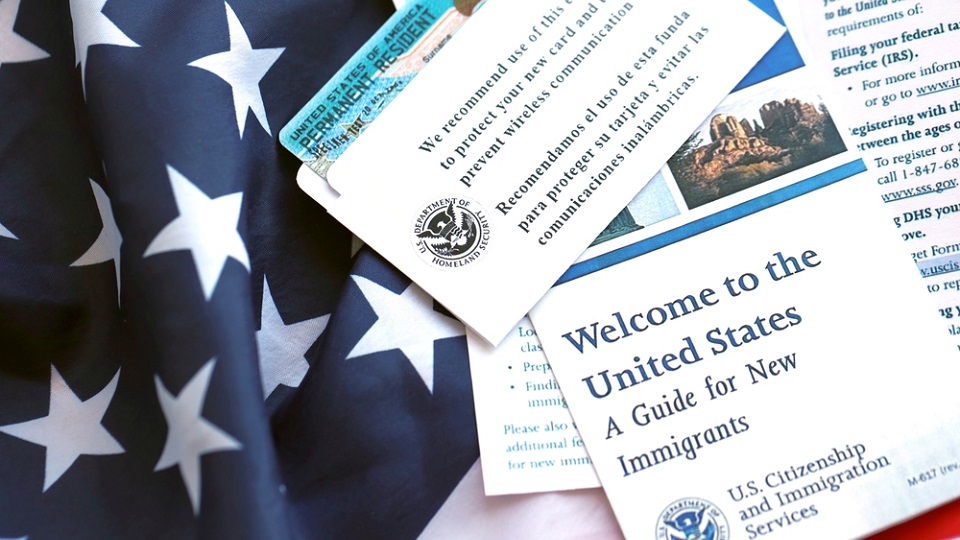
From December 26, 2025, the U.S. Department of Homeland Security (DHS) implemented new rules for controlling the entry and stay of foreigners, including holders of the Green Card. Newsweek reports this with reference to official statements from DHS, USCIS and CBP. The administration of President Donald Trump says the step is necessary to enhance national security and modernize border control using new technologies.
What specifically is changing
Main innovations — in brief:
- Mandatory biometric screening at every border crossing: photography for all non-U.S. citizens, including Green Card holders; the age range and previously exempt categories (children under 14 and persons over 79) are now subject to the procedures.
- Additional data collection: at the border agency’s discretion, fingerprinting and iris scans may be taken.
- Enhanced review of already issued Green Cards for citizens of 19 countries (including Afghanistan, Iran, Libya, Somalia, Sudan, Yemen, Haiti, Cuba, Venezuela, Turkmenistan, and others), due to concerns about prior vetting procedures.
- Three- to five-year rollout schedule: the system will gradually cover major airports, then land and sea ports of entry.
"The biometric system will help counter terrorism, detect the use of forged or stolen documents, combat overstays in the United States and eliminate errors or inaccuracies in travelers' data."
— CBP (U.S. Customs and Border Protection)
Why it matters — analysis
This is not just a technical upgrade. The combination of technologies and expanded checks aims to reduce security risks, but at the same time creates additional operational burdens for border agencies and lengthens processing times. According to USCIS and DHS, the decision is also partly intended to fix "gaps" in previous vetting — hence the selection of 19 countries for an intensified audit.
How this will affect Ukrainians
Ukrainians fall under the new general rules — meaning photography and possible biometric procedures at every entry and exit. At the same time, Ukrainian citizens are not currently included in the list of 19 countries subject to enhanced review, so widespread audit-style Green Card checks for Ukrainians are not expected.
Nevertheless, practical consequences may be felt by all Green Card holders: longer queues at airports, stricter document requests, and in some cases — delays in application processing. At the same time, the U.S. announced the suspension of the green card lottery (December 18) and a review of H-1B rules (December 24), indicating a broader policy of reducing immigration risks and selecting flows of entry.
Practical tips for Ukrainians
- Keep all documents and up-to-date copies on hand: Green Card, passport, and if needed — documents proving permanent residence or employment status.
- Expect photography and possible biometric procedures even for children and elderly relatives.
- Allow extra time for border crossings and check updates on DHS/USCIS websites and official airport announcements.
- In complicated cases consult an immigration lawyer — practitioners note that informed preparation reduces the risk of delays.
Conclusion
The new rules are part of a global trend: combining technological modernization with tougher checks. For Ukrainians the most likely effect is greater formality when crossing the border and potential delays, but not targeted intensified scrutiny. The task now for government bodies and communities is to ensure these changes do not violate the rights of our citizens and that information about the procedures is transparent and accessible.
Sources: Newsweek; official statements from DHS, CBP and USCIS.