U.S. to sell Venezuelan oil 'indefinitely' — a move with geopolitical implications for the energy sector
Washington announced: stocks of Venezuelan oil under U.S. control will be released to the market, and the proceeds will be collected in accounts controlled by the U.S. government. This is not just revenue — it is a precedent for managing strategic resources in times of crisis.

By Tetiana Suchkova-Ladik
January 7, 2026 · 3 min read
What was announced
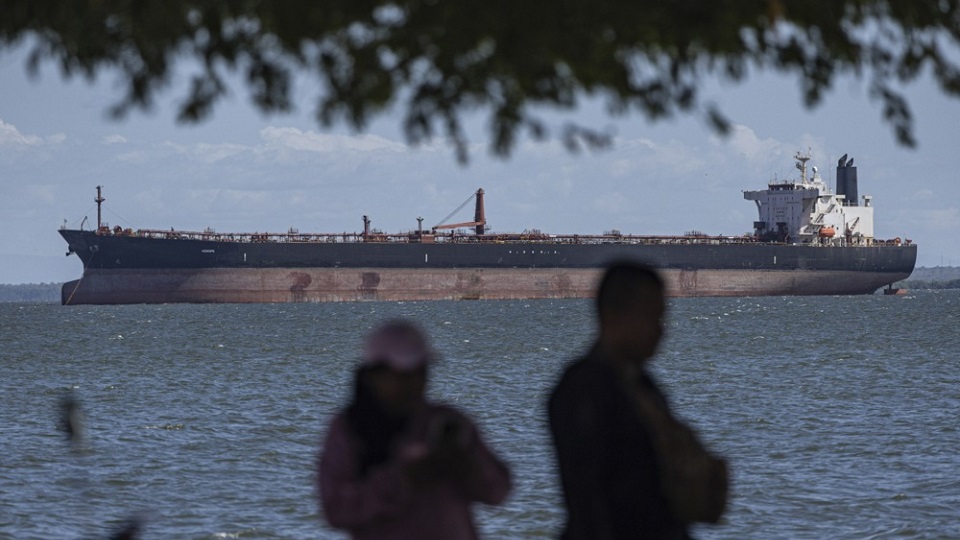
U.S. Energy Secretary Chris Wright said the United States will sell Venezuelan oil “indefinitely” after completing an operation to release crude that is currently accumulating in Venezuela’s storage facilities, Politico reports. Under the plan, up to 50 million barrels of oil would be placed on the market, and the proceeds — about $2.5 billion — would be credited to accounts controlled by the U.S. government and later “returned to Venezuela for the benefit of the Venezuelan people.”
"Instead of the oil remaining stranded, as is happening now, we will allow it to flow […] to U.S. and global refineries to improve oil supplies, but the sales will be carried out by the U.S. government."
— Chris Wright, U.S. Energy Secretary
Why it was done — a rational view
The decision combines three logical objectives: 1) prevent the stocks from becoming a source of financing for the contested regime; 2) temporarily increase supply on the global market and ease supply tensions; 3) create a mechanism to control revenue from sales through accounts under U.S. control, and thereby incentivize political transformation in Caracas.
According to Bloomberg, the administration has already held talks with energy companies, and a meeting with their executives was planned at the White House. The presence of foreign investors is a key precondition for restoring production, but they will demand guarantees of political stability and long-term backing from Washington.
The reality of production recovery
Venezuela’s oil sector was severely damaged by corruption, underinvestment and neglect — production has fallen to less than 1 million barrels per day. Analysts agree that with stability and investment production could be raised by several hundred thousand barrels per day over a few years, but full recovery would require massive spending.
"Restoring the industry to its former level will be a massive undertaking and is estimated to cost about $10 billion a year over the next decade."
— Francisco Monaldi, Director of Latin America Energy Policy, Baker Institute (Rice University)
Market and reputational risks for companies
Chevron is currently the only major U.S. company operating in Venezuela under a special license. Exxon and ConocoPhillips previously left the country after their assets were nationalized. Even if the U.S. administration paves the way for a return, corporate decisions will depend on guarantees regarding property rights, legal risks and political stability — and on confidence that Washington will continue to support the companies after any change in administration.
What this means for Europe and Ukraine
The key significance of this precedent for Ukraine is not the barrels themselves but the mechanism: the U.S. is demonstrating that it can control and direct revenues from third‑country energy assets as an instrument of pressure and stabilization. This is an important lesson for dealing with conflict assets and corruption that undermine energy security.
If the community of Western states can demonstrate effective control over resources during political transitions, it will strengthen the sanctions toolkit and reduce the ability of aggressor states to use energy assets as geopolitical weapons. For Ukraine, the signal is clear: strategic resources must not only be protected but also managed transparently to prevent their use against national interests.
Conclusion
U.S.-controlled sales of Venezuelan oil are a practical step combining politics, economics and security. They can add supply to the market and create a financial lever for future political decisions in Venezuela. At the same time, large-scale rehabilitation of the sector will require time, money and stability.
Questions for the next steps: will partners have the political will and resources to move from one-off sales to long-term investment — and will that make global energy markets more predictable rather than less?



