U.S. extends license to sell Lukoil's foreign assets
OFAC extended General License No. 131A until January 17, 2026, allowing negotiations and the signing of agreements concerning Lukoil International GmbH and related companies; separately, the authorization for transactions with fuel station networks was extended until April 29, 2026.
By Oleg Bazylewicz
December 10, 2025 · 1 min read
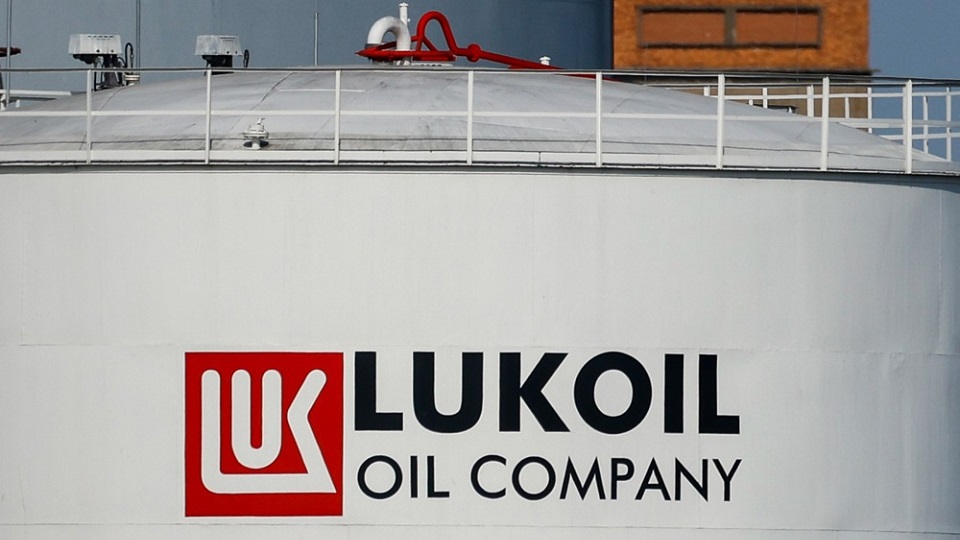
The U.S. Department of the Treasury has granted additional time to negotiate and complete the sale of Lukoil International GmbH and related assets. The document is dated December 10.
License extension
The Office of Foreign Assets Control (OFAC) has extended a general license that had previously been in effect until December 13 — the term now runs through January 17, 2026.
Under General License No. 131A, until that date all transactions necessary to conduct negotiations and execute agreements for the sale of Lukoil International GmbH or any company it controls are permitted.
- the document allows negotiating the terms of final deals;
- conducting financial and legal due diligence on the assets;
- engaging external advisors and consultants to prepare and complete transactions.
Interested buyers
The U.S. added Lukoil to its sanctions list on October 22, after which the company announced its intention to divest foreign assets. The first bidder was trader Gunvor, which later withdrew its offer due to the lack of approval from OFAC.
Potential buyers or interested parties named include American Exxon Mobil and Chevron, investment firm Carlyle, Abu Dhabi conglomerate IHC, as well as Todd Boehly and Austrian businessman Bernd Bergmaier.
- Exxon Mobil
- Chevron
- Carlyle
- IHC (Abu Dhabi)
- Todd Boehly
- Bernd Bergmaier
In addition, on December 4 OFAC issued a separate general license extending through April 29, 2026 the authorization for operations related to Lukoil's retail gas stations outside Russia.



