Six weeks of aviation fuel: how the blocked Strait of Hormuz will ground planes over Europe
# International Energy Agency Director Warns of Flight Cancellations if Strait Remains Closed The Director of the International Energy Agency, Fatih Birol, has warned that if the strait remains closed, the first flight cancellations could occur before the start of the summer tourist season. Economists say a "systemic deficit" could emerge as early as May.

By Tetiana Suchkova-Ladik
April 16, 2026 · 3 min read
In mid-April, Fatih Birol, director of the International Energy Agency (IEA), gave an interview to Associated Press from the Paris office with a view of the Eiffel Tower. The words were at odds with the scenery: he called the current situation "the greatest energy crisis we have ever experienced".
What is happening with the strait
The war between the USA and Israel against Iran, which began on February 28, 2026, has effectively halted shipping through the Strait of Hormuz. After the failure of peace negotiations, the USA imposed a naval blockade of Iranian ports. Currently, more than 110 oil tankers and more than 15 gas carriers are queued in the Persian Gulf — they cannot leave.
Before the conflict, about 25% of global maritime oil trade and 20% of liquefied gas passed through the strait. The price of Brent oil exceeded $100 per barrel. Aviation fuel in Europe jumped to a record $1,838 per ton — more than twice the pre-war level, according to Gulf Business.
Six weeks — what does that mean?
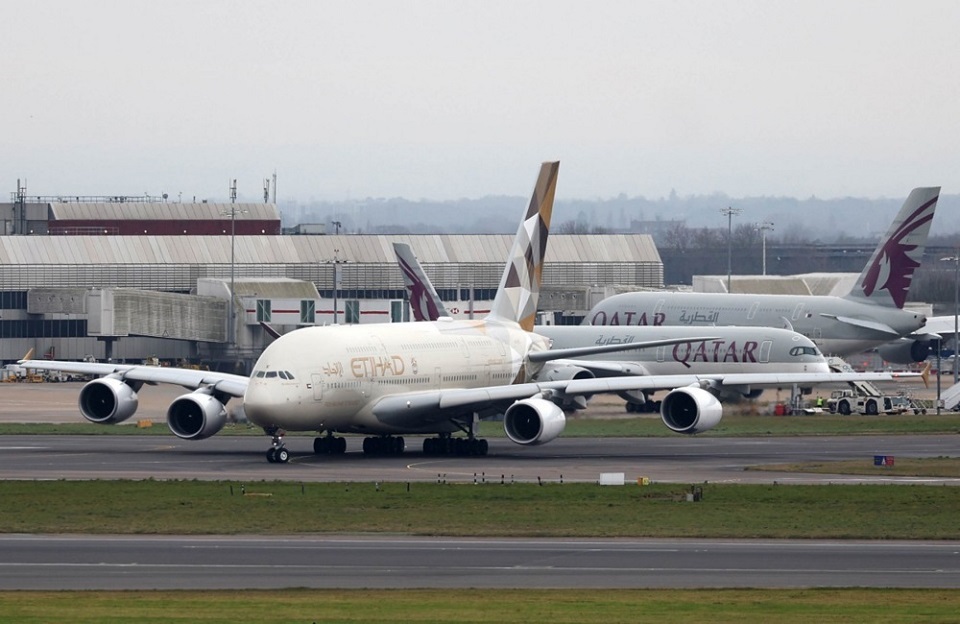
"In Europe, we have about six weeks of aircraft fuel left. If we cannot open the Strait of Hormuz — I can say that soon we will hear news that some flights from city A to city B may be cancelled due to lack of fuel".
Fatih Birol, IEA Director, Associated Press
Six weeks from mid-April is the end of May. That is when Europe traditionally starts its peak tourist season. The ACI Europe airport association warned the European Commission on April 10 that a systemic aviation fuel shortage would become "a reality for the EU" if passage through the strait does not resume "in any meaningful and stable manner" within three weeks. According to ACI estimates, aviation generates 851 billion euros of GDP for European economies and supports 14 million jobs.
When "possible" becomes "systemic"
Claudio Galimberti, chief economist at Rystad Energy, formulated this in a CNBC comment without diplomatic caveats: the situation "depends quite heavily on how many barrels flow through the strait". And further: "Over the next three to four weeks, the situation could become systemic — that is, in May and June you could already see a significant reduction in flights across Europe".
Airlines are already responding: some routes have been cut, tickets are becoming more expensive. But at the current rate of reserve depletion, market mechanisms are not keeping up with the physical deficit.
Iranian "toll booth"
A separate issue is that opening the strait does not mean an automatic return to normal. The Iranian IRGC has introduced a de facto "toll booth" regime: vessels must provide full documentation, obtain access codes, and accept an escort through a single controlled corridor. At least two vessels have already paid a fee in yuan. Birol warned that the legalization of such a mechanism would create a precedent that could then be applied to other key maritime routes, including the Malacca Strait.
Even if the strait is opened, restoring pre-war production levels will take months: according to Birol, more than 80 key energy facilities in the region are damaged, more than a third of them seriously or very seriously.
Negotiations between the USA and Iran are to take place in Islamabad, but Tehran links them to concessions on Lebanon and sanctions. If agreements are not reached by the end of April — will European airlines be able to get through the peak summer without fuel rationing?



