Shmyhal: Darnytska thermal power plant will not be nationalized — to be restored with government support and international deliveries
The prime minister assured that ownership of the CHP plant will remain private, but the state and partners will speed up repairs — because it’s about heating for thousands of Kyiv homes.

By Tetiana Suchkova-Ladik
March 13, 2026 · 2 min read
Introduction — why this matters
The issue of the Darnytska CHP today is not just a legal debate about ownership. It is about the urgent restoration of infrastructure that supplies heat to more than a thousand homes in Kyiv. The government's decision will determine how quickly residents will receive stable heating.
What happened
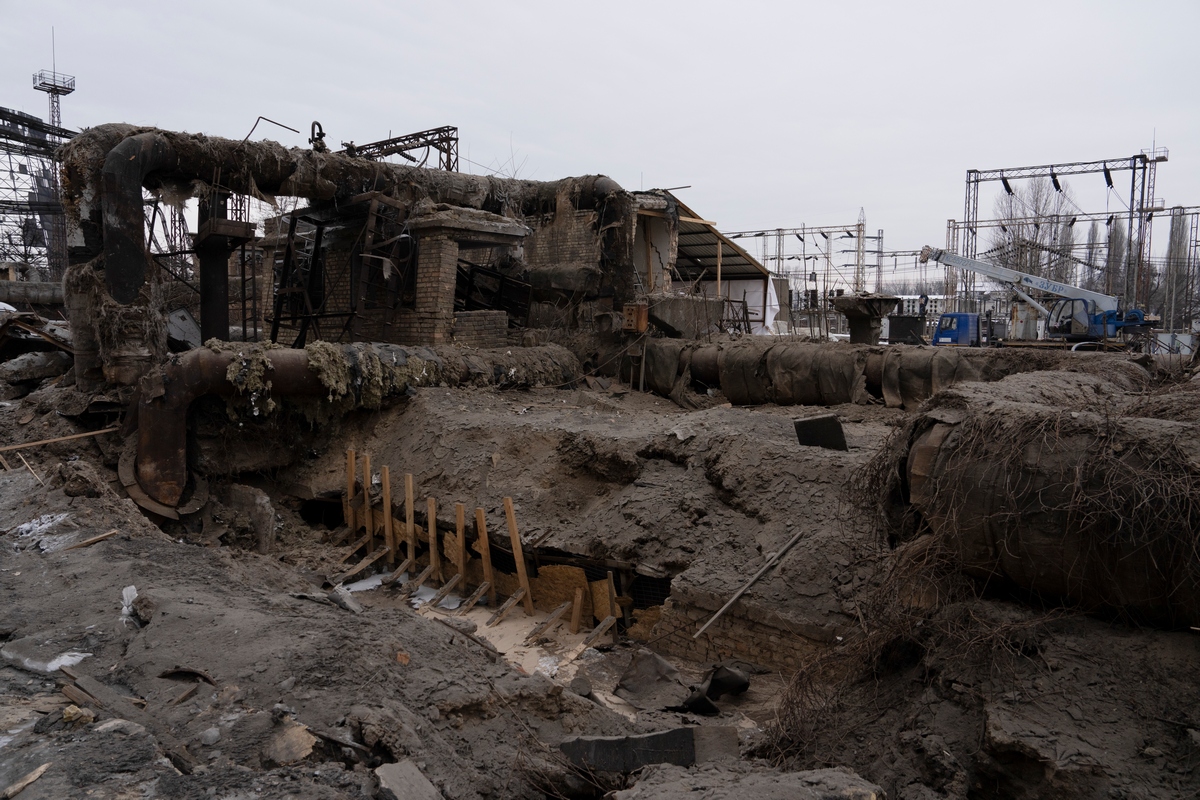
On February 3, Darnytska CHP‑4 suffered critical damage as a result of a Russian strike. City authorities estimate that it will take at least two months to eliminate the consequences; many residential buildings were left without heating.
The government's position
During a session of the Verkhovna Rada, Prime Minister Denys Shmyhal responded to a lawmaker's question about the possibility of nationalization and compensation to the owner. The government rejected the idea of nationalization and stated its readiness to help with restoration regardless of the form of ownership.
“We are not going to nationalize Darnytska CHP. It is in private ownership — and it will remain there. We intend to help restore it. Regardless of property rights — private, communal, or state — the consequences of Russian terror are a shared problem, and we will solve them together.”
— Denys Shmyhal, Prime Minister
How they plan to restore it
According to the prime minister, the government is looking for equipment for Darnytska CHP in the Baltic states, Germany, Austria, Slovakia, Croatia and Bulgaria. The plan involves decommissioned units that can be refitted and quickly integrated into the capital's CHP. Partners are reportedly ready to cover dismantling and logistics, delivering equipment as whole units — this is being viewed as the fastest route to restoration.
“All these countries have decommissioned, retired thermal power plants, absolutely identical to ours… Partners pay for dismantling and logistics, transferring this equipment to our CHP as whole units. This is the quickest way to restore service.”
— Denys Shmyhal, Prime Minister
Ownership and responsibility
Darnytska CHP is owned by LLC “Euro‑Reconstruction” (Anatoliy Shkriblyak). The government has bet on a model that combines respect for property rights with state coordination of recovery — the main priority here has been shifted to guaranteeing heat for citizens.
What’s next — risks and expectations
In theory the plan can shorten the time to restore heating, but in practice success will depend on logistics, customs clearance, technical compatibility of the equipment and the pace of installation. If partners and operators work smoothly together, initial results may appear before the end of the two‑month horizon — otherwise the risk of delays remains. The ball is now in the court of coordination between the government, the city and international partners — declarations must give way to rapid action.



