Sweden closes the case: Kolomoisky's companies will not be able to collect $6bn from Ukraine — what it means
On November 21, the Supreme Court of Sweden definitively dismissed the appeal of Cypriot companies linked to Ihor Kolomoisky in the Ukrnafta case. We examine why the decision matters not only as a legal victory but also as a signal about the protection of the state's strategic assets.

By Tetiana Suchkova-Ladik
January 7, 2026 · 2 min read
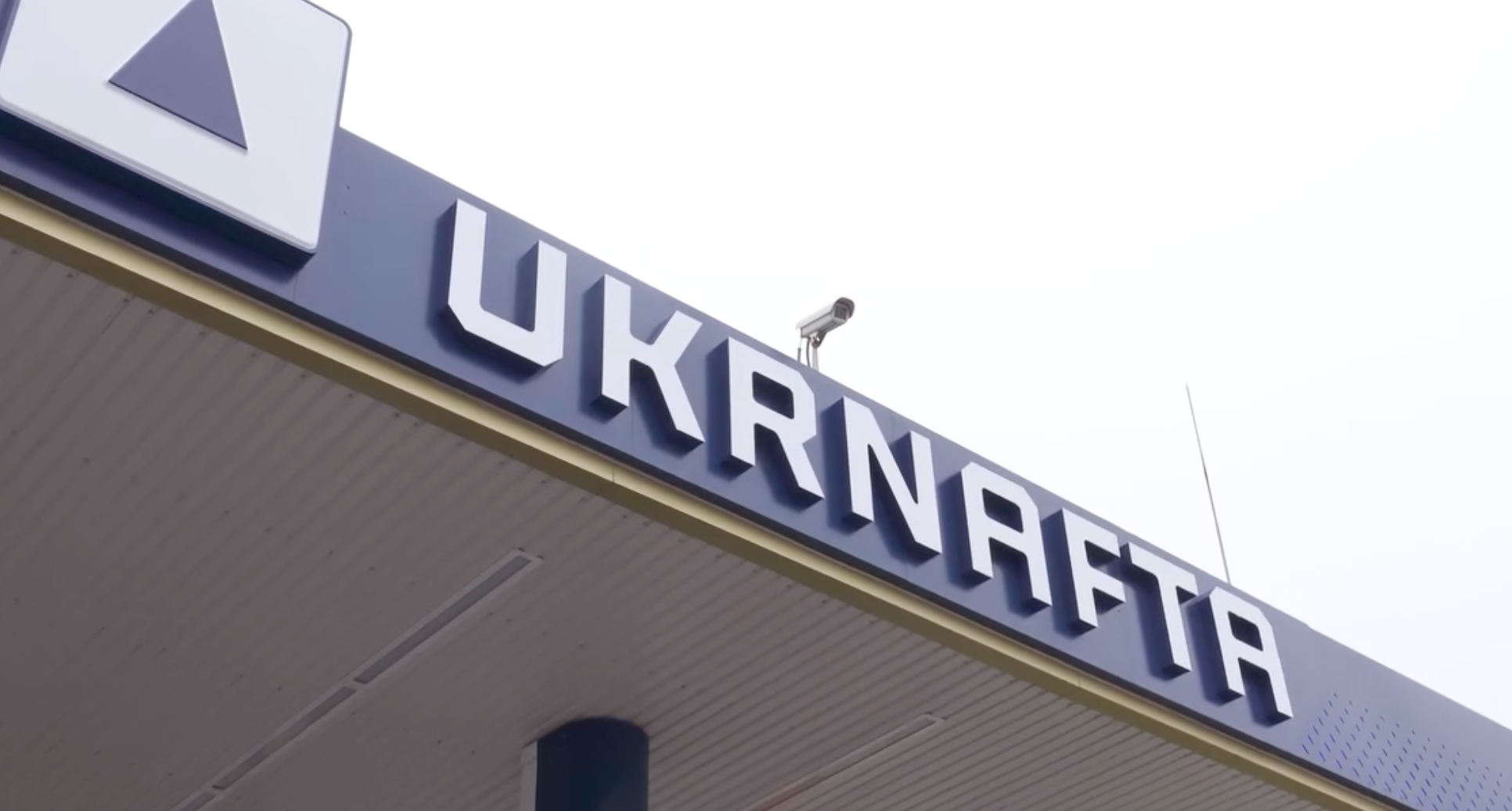
Sweden closes $6 billion claims procedure
The Supreme Court of Sweden on November 21 rejected the last attempt by the Cypriot companies Littop Enterprises, Bordo Management and Bridgemont Ventures to review the Stockholm arbitration ruling regarding Ukrnafta. This means that the dispute, ongoing since 2015, is effectively concluded in favor of Ukraine.
"Thus, the court rulings in this case have become final"
— Ministry of Justice of Ukraine
Briefly, what happened
In 2015, the Cypriot owners of 40.1% of Ukrnafta shares brought an arbitration claim seeking more than $6 billion in compensation, alleging restrictions on the sale of gas stocks in 2006–2014. The Stockholm arbitration on February 4, 2021 rejected these claims in full — due to a lack of jurisdiction and the absence of an actual contribution to the share capital, i.e., an investment within the meaning of the Energy Charter.
The Svea Court of Appeal confirmed the arbitration’s position at the start of 2025, and now the Supreme Court of Sweden has refused to open an appeal. The Cypriot companies must also reimburse Ukraine’s legal costs — about $19 million plus $2.7 million and a further $550,000 in additional expenses.
Legal background: why the decision withstood scrutiny
The court’s key argument was that the claimants failed to prove the existence of an investment in the form provided for by the Energy Charter Treaty. Without this, they could not assert the right to bring an arbitration claim. Swedish courts consistently applied principles of international investment law, which ultimately deprived the claims of a material basis.
What this means for Ukraine
First, the decision removes a significant potential financial risk. $6 billion is both a symbolic and threatening figure; its dismissal reduces pressure on the state budget and Ukraine’s credit image.
Second, it sets a precedent for defending state interests in international courts: the courts recognized formal investment criteria as more important than the claimants’ political arguments. Analysts and lawyers agree that such decisions raise the bar for similar claims in the future.
Political and corporate context
In November 2022, Ukrnafta came under the control of the Ministry of Defense along with several other strategic enterprises. Ihor Kolomoisky, who is under arrest, claims the asset was unlawfully taken and appealed to NABU. However, international bodies reviewing the legal basis of the claims did not uphold their arguments.
Conclusion: a legal victory — but work continues
The legal victory in Sweden is an important step, but it does not remove the need for systemic reforms in state asset management. The amount the other side must reimburse is not comparable to the potential $6 billion, but the decision has a different effect: it reduces risks to the budget and sends a stronger signal to investors about Ukraine’s ability to protect strategic assets in international courts.
The next stage is to transform these court decisions into consistent policies of transparent management and legal resilience to minimize future risks for the state and taxpayers.



