Slovakia insists on an on-site inspection of the Druzhba pipeline — what it means for Ukraine's energy security
Slovakia's Foreign Minister Juraj Blanár has proposed an inspection of the Druzhba oil pipeline involving experts. It is a technical check with diplomatic overtones: the timeline for restoring transit and the trust of neighboring countries hinge on its findings.

By Tetiana Suchkova-Ladik
March 18, 2026 · 2 min read
What happened
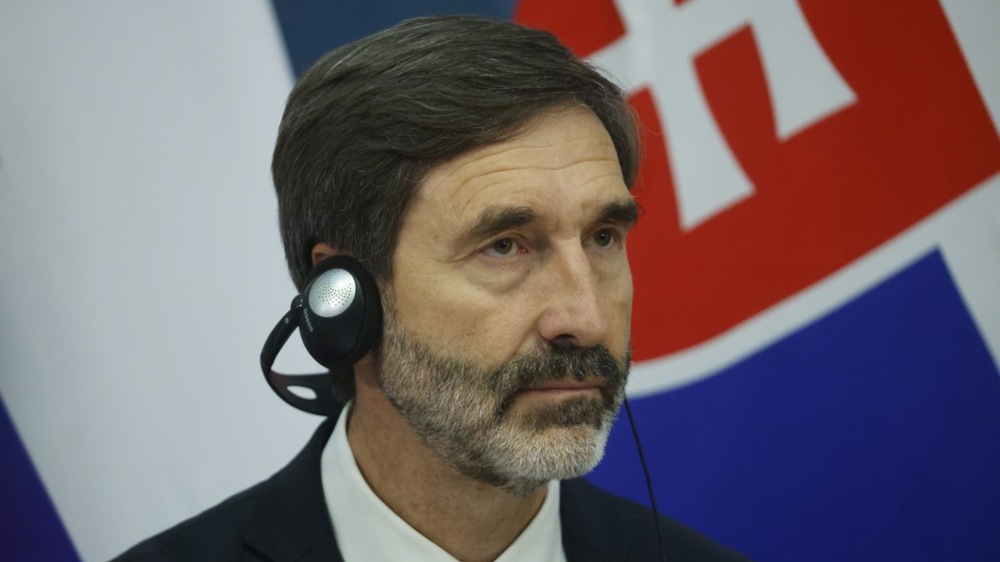
Slovakia wants to inspect the condition of the "Druzhba" oil pipeline on-site and involve specialists in the review. The statement was made by Foreign Minister Juraj Blanár; the Slovak MFA published the message on X.
"However, several such dates have already been announced previously. Therefore we consider it necessary to check the situation directly on-site, with the participation of experts who could also help with any necessary pipeline repairs."
— Juraj Blanár, Minister of Foreign Affairs of Slovakia
Context and consequences
The damage to the "Druzhba" occurred on the eve of the election campaign in Hungary and has exacerbated tensions between Ukraine and its neighbors. Slovakia and Hungary have expressed doubts about the version attributing the incident to a technical malfunction.
Key facts that form the context:
- On 23 February, Slovak Prime Minister Robert Fico announced the suspension of emergency electricity supplies to Ukraine, in response to the halt of transit of Russian oil through the southern branch of the "Druzhba" pipeline.
- On 16 March, NEC "Ukrenergo" received a letter from SEPS regarding the unilateral termination of the mutual emergency assistance agreement — the document will take effect in May.
- On 17 March the EU officially offered Ukraine assistance to restore operation of the "Druzhba" pipeline; the Ukrainian side estimated a possible restoration period of about six weeks, and President Volodymyr Zelensky spoke of roughly one and a half months in the absence of new attacks.
An inspection involving independent experts has two practical aims: to confirm the technical condition and to develop a joint repair plan. At the same time, it is a political move: an official inspection can both relieve some of the tension and become an additional tool of pressure in the debate over responsibility and timelines.
What’s next
It is now important that declarations turn into procedure: agreeing on the inspection format, a list of experts, access to the affected sections, and transparent documentation of findings. According to European institutions, the participation of the EU and independent specialists will increase trust in the results and speed up practical solutions.
The coming weeks will show whether technical expertise can ease diplomatic tensions and accelerate the restoration of transit, or whether the process will be fully politicized — with consequences for the region's energy security.
Questions for partners: will there be enough technical platform and political will to replace suspicions with clear operating protocols and realistic recovery timelines?



