Death of Jugoimport Representative in Moscow: Serbia Demands Explanations After Documents Go Missing
At the very heart of diplomatic pressure — a representative of a Serbian defense company was found dead in Moscow, and data carriers disappeared at the same time. We examine what this means for regional security and why it deserves attention now.

By Oleg Bazylewicz
December 17, 2025 · 2 min read
What happened
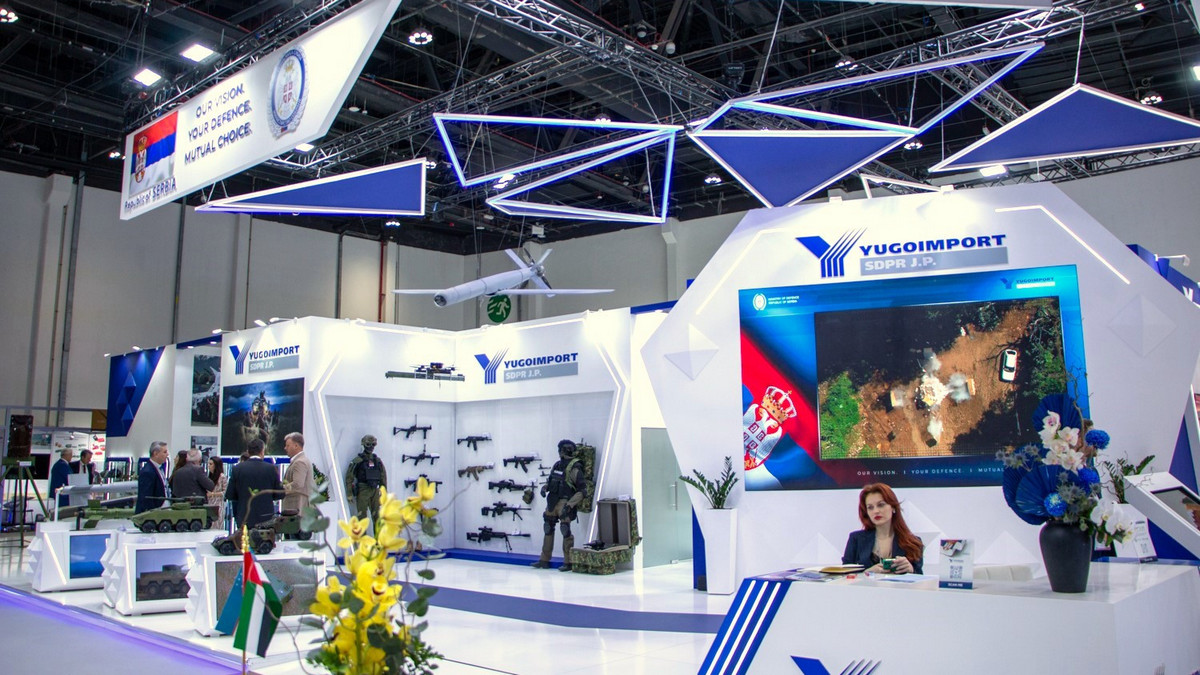
On 17 November 2025 in Moscow, a representative of the Serbian state defence company Jugoimport SDPR, Radomir Kurtić, died, Serbian media Blic and RTS reported. According to available information, the body was found on a street in the Russian capital.
After the incident, a company commission inspected the offices in Moscow and recorded the disappearance of a significant number of documents and hard drives. Russian investigative authorities have so far not provided the Serbian side with any official forensic reports or explanations.
"The Serbian side does not have sufficient data to draw conclusions and does not want to speculate, but insists on establishing the truth."
— Aleksandar Vučić, President of Serbia
"The commission found the disappearance of a significant number of documents and hard drives from the offices in Moscow."
— Jugoimport SDPR (company commission)
Context and consequences
This event matters not only for Serbia and Russia. Jugoimport SDPR is one of the region’s leading state-owned companies in the trade of arms and technology transfers. The uncertainty surrounding the circumstances of the death and the disappearance of documents raises questions about transparency and control over the flow of military materials.
In addition, this year the Russian foreign intelligence service has repeatedly accused Serbia of supplying ammunition to Ukraine despite its declared neutrality. In such a climate of information tension, any incident involving a documentary "gap" takes on additional significance for security assessments.
What experts say
Security analysts in the Balkans and Central Europe note that the lack of prompt, open information from the Russian side only reinforces suspicions and could lead to diplomatic pressure on Moscow. Social corroboration — several sources in regional media and the reaction of Serbia’s president — show that this issue has already gone beyond a local incident.
What’s next
Serbia has officially asked Russian services to provide all necessary information. Several scenarios are possible: a full transfer of materials and a quick clarification of the circumstances; a protracted investigation and diplomatic escalation; or partial information that does not satisfy the parties and experts.
The question for the international community remains open: how transparent and controlled is the circulation of defence materials in a region where the interests of major players intersect with national strategic goals? The answer determines the risk of escalation and the level of trust between partners.
In short: the death of a Jugoimport representative in Moscow and the simultaneous disappearance of data is not only a criminal incident but also a signal about risks in the international arms supply system and the need for transparent international investigation procedures.



