SOCAR acquires one of Italy's largest oil refineries — appoints former Georgian minister to lead it
# Azerbaijan's State Company Closes €3 Billion Deal, Acquires Two Oil Refineries and Over 4,500 Gas Stations Azerbaijan's state-owned company has closed a deal worth approximately €3 billion, acquiring two oil refineries and more than 4,500 gas stations. The appointment of Levan Davitashvili as CEO signals the first indication of how SOCAR plans to build its presence in the European Union.

By Tetiana Suchkova-Ladik
May 15, 2026 · 2 min read
Azerbaijani state oil and gas company SOCAR has completed the acquisition of 99.82% of shares in Italiana Petroli (IP) from the family holding API Holding of the Bracchetti Peretti family. The deal was signed in September 2025, and the European Commission approved it in February — through a "simplified procedure," recognizing that the transaction does not create competition problems in the European Economic Area.
What exactly transferred to SOCAR
IP is not just a network of gas stations. According to Euronews, the company was founded in 1933 and is one of Italy's largest integrated downstream platforms: two oil refineries with a combined capacity of approximately 200,000 barrels per day (or ~10 million tons per year), over 4,500 gas stations throughout the country, logistics infrastructure, aviation fuel, lubricants, and bitumen.
According to News.az, the deal value is estimated at approximately 3 billion euros. Analysts note that IP came under pressure after abandoning Russian oil — and this likely accelerated the sale. SOCAR, as a supplier of Azerbaijani crude through TAP, gains direct access to the end consumer market.
Who now heads the company
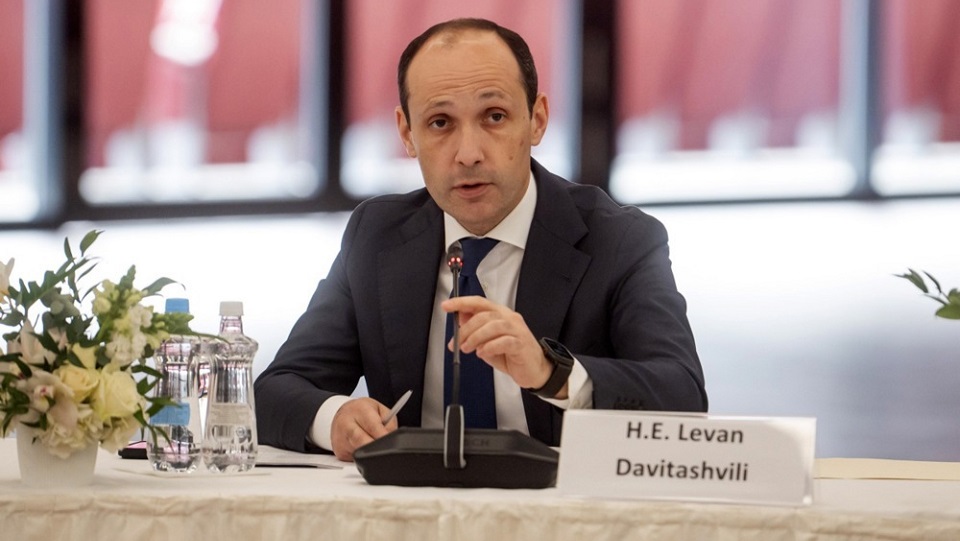
Levan Davitashvili has been appointed general director of IP — from 2021–2025 he served as first vice-prime minister and minister of economy and sustainable development of Georgia. After his resignation, from November 2025, he worked as an adviser to the president of SOCAR.
«To ensure business continuity, preserve and strengthen positions in Italy's domestic market, as well as manage the company's integration into the SOCAR group structure»
— the official mandate for Davitashvili according to the Italiana Petroli press release
Davitashvili is a technocrat with 25 years of experience in the public and private sectors. His appointment appears to be a compromise between two needs of SOCAR: someone with strategic understanding of energy geopolitics and personal connections in the post-Soviet space, but without direct identification with Baku.
What this means for the EU
The European Commission approved the deal without objections, but context matters. As Euronews notes, the transaction occurs as Brussels seeks alternatives to Russian gas — and Azerbaijan positions itself as a "reliable partner." The Italian government publicly supported the deal: according to a government representative Vitiello, Azerbaijan "plays a central role in Mediterranean energy architecture."
- SOCAR already supplies gas to Italy through the Trans-Adriatic Pipeline (TAP)
- Now the company controls both processing and retail distribution in the same market
- Vertical integration "from wellhead to gas station" in an EU country — a precedent for a state company from Azerbaijan
Formally, the deal passed all filters — antitrust, regulatory, and political. However, no mechanism binding SOCAR to any conditions regarding supply, pricing, or reinvestment in Italy has been recorded in public documents.
If SOCAR uses IP as a platform to expand into other downstream markets in Southern Europe — will the European Commission's position on "absence of competition problems" remain valid in three years?



