Bloomberg: U.S. preparing sanctions against Russia's "shadow fleet" — another lever of pressure in support of Ukraine
If the Kremlin refuses a peace deal, Washington may target tankers and traders circumventing sanctions. Why this hits Russia’s coffers and what Kyiv should expect — concise and to the point.

By Tetiana Suchkova-Ladik
December 17, 2025 · 2 min read
What Bloomberg reports
Bloomberg, citing people familiar with the matter, reports that the United States is preparing a new package of sanctions against Russia's energy sector in case the Kremlin rejects a proposed peace agreement with Ukraine. The focus is not only on large companies but also on those who enable Moscow to evade restrictions.
"The United States is preparing a new package of sanctions against Russia's energy sector..."
— Bloomberg (citing people familiar with the matter)
What exactly is being considered
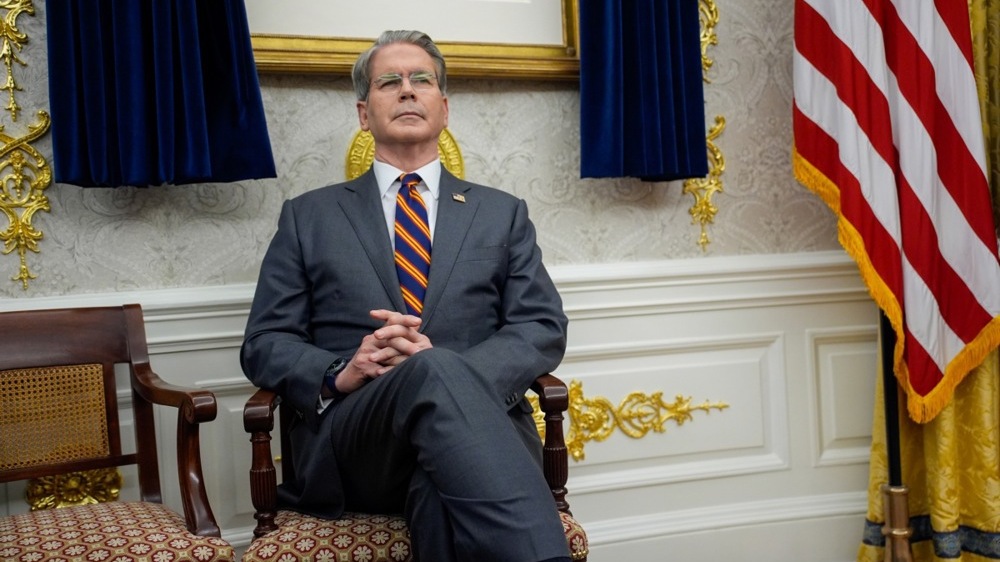
According to sources, among possible steps are targeted measures against tankers of the so-called "shadow fleet" of Russia and against traders who facilitate the transportation of oil to bypass sanctions. Officials said part of the plan was discussed this week when Treasury Secretary Scott Bessent met with a group of European ambassadors.
"The final decision remains with U.S. President Donald Trump."
— sources, Bloomberg
Why this matters for Ukraine
Striking at Russia's ability to export resources directly reduces its financial levers in the war. For Ukraine, this is a tool to raise the Kremlin's bargaining price and to maintain international pressure. At the same time, sanctions on ships and traders complicate evasion schemes, producing a short-term effect on Russia's revenue flows.
Political context
The news coincided with a series of diplomatic signals: on December 14 President Volodymyr Zelensky confirmed that Kyiv and Washington are discussing security guarantees similar to NATO's Article 5. Axios, citing a U.S. official, wrote about the Trump administration's intent to provide Ukraine guarantees based on the principle of collective security, but the draft peace plan also mentions the idea of a "demilitarized zone" in the Donbas with the withdrawal of the Ukrainian Armed Forces.
Meanwhile, European leaders signed a joint statement on commitments regarding security guarantees and Ukraine's reconstruction — a signal that the West is coordinating its approaches.
Analysis: how effective
Hitting the "shadow fleet" is a technical but effective measure. Sanctions can quickly complicate oil export logistics, raise freight and insurance costs, and consequently reduce revenues that finance military operations. However, the effect will depend on the breadth of coordination with the EU and on how decisively the administration decides to implement the restrictions.
Conclusion
Bloomberg notes: Washington is holding tools that could increase pressure on the Kremlin if it refuses the deal. The key now is whether these intentions will turn into coordinated allied actions. Will that be enough to compel Moscow to choose negotiations over escalation?



