U.S. Offers Tanker Insurance to Curb Rising Oil Prices — What It Means for Ukraine and Europe
The Trump administration is weighing government guarantees for tankers in response to the escalation in the Middle East. It is an economic policy tool that could temporarily ease pressure on fuel prices — and has direct implications for Ukraine's economy and security.

By Tetiana Suchkova-Ladik
March 3, 2026 · 2 min read
Brief and clear
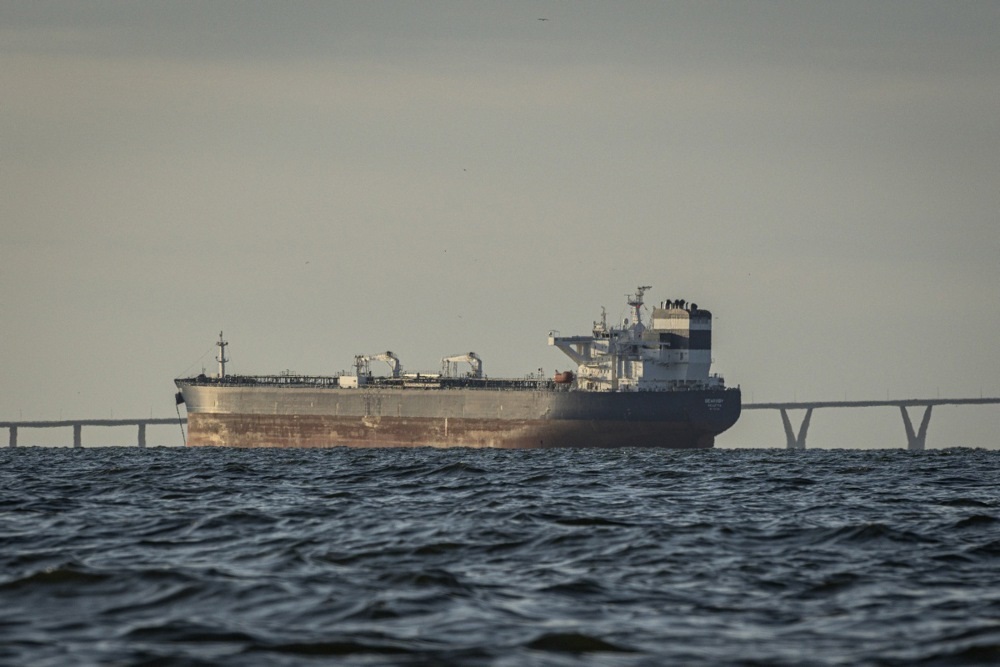
According to Reuters, the White House is discussing a package of measures to curb rising energy prices. Options include government-backed insurance for tankers transiting critical routes in the Middle East. For the average consumer this is a matter of fuel prices and inflation rates; for Ukraine it is a question of logistics, the cost of fuel for the military, and the stability of economic plans.
Why the US is taking up tanker insurance
The reason is simple: after strikes on facilities in the region, premiums for war-risk insurance have risen, some insurers have left the market, and carriers are forced to change routes or postpone voyages. This raises operating costs and pushes prices up. The administration is considering government guarantees as a way to lower these costs and temporarily ease the shock to the market.
"Cheaper fuel will help reduce inflation and support consumer spending."
— Donald Trump, President of the United States (according to Reuters)
Historical context: this has happened before
Washington remembers precedents: during the Iran–Iraq war in the 1980s the US reflagged ships and provided escorts when private insurers refused coverage. After the September 11, 2001 attacks the government also provided insurance guarantees to preserve continuity of maritime transport. History shows: government interventions act quickly, but are usually temporary in nature.
What experts and partners say
The European Commission, according to reports, believes that in the short term supplies to the EU will not be at risk. Bloomberg analysts estimate that the EU could withstand a month of hostilities without a serious hit to GDP, but a longer escalation would increase inflation. Reuters calculated that even a sharp spike in prices resulting from the conflict is unlikely to "save" the Russian budget given its structural problems.
Implications for Ukraine
Direct effect: stabilizing oil prices reduces pressure on the state budget and lowers fuel costs for defense and infrastructure. Intermediate effect: if the US engages in tanker insurance, this could reduce transportation costs and buy markets more time to adapt. But this is not a substitute for a long-term energy strategy: Ukraine should continue diversifying supplies and strengthening the price resilience of its energy sector.
Risk analysis and scenarios
If support for tanker insurance materializes, we would see a temporary reduction in price volatility. If escalation continues, government guarantees may prove insufficient: risks to European energy security and to Ukraine's budget from more expensive energy could grow. Thus, this is a mitigation tool, not a long-term solution.
Conclusion
The US decision to consider tanker insurance is a logical step in short-term policy to counter rising prices. It could provide an important buffer for Ukraine's economy and its partners, but it does not eliminate the need for energy diversification and stockpile strengthening. The key question now is whether declared intentions will be turned into swift, concrete actions that will have a real effect on markets and on our citizens.



