US Lifted Sanctions Against Belarusian Potash Company — Now Pressuring Lithuania to Reopen Port It Closed at America's Demand
Washington eased restrictions on Belarusian potash in exchange for the release of political prisoners — and almost immediately began demanding that Vilnius restore transit through Klaipeda. Lithuania refuses, citing EU sanctions that no one intends to lift.

By Tetiana Suchkova-Ladik
May 15, 2026 · 3 min read
In December 2025, Trump's special envoy John Cule arrived in Minsk — and after negotiations with Lukashenko, 123 political prisoners were released from the country. The next day, the U.S. Treasury Department issued a license allowing operations with Belaruskali, the Belarusian potash company, and Agrorozkvit. In other words, sanctions imposed in 2021 for repression were effectively suspended in exchange for a gesture that Brussels called insufficient.
But there is a problem: even without American sanctions, Belarusian potash cannot reach the world market through its usual route. EU sanctions continue to prohibit the transit of Belarusian potash fertilizers through Lithuania to the port of Klaipėda — the key export route before 2021. That is why Washington turned to Vilnius.
"Additional activity" — this is diplomatic language for pressure
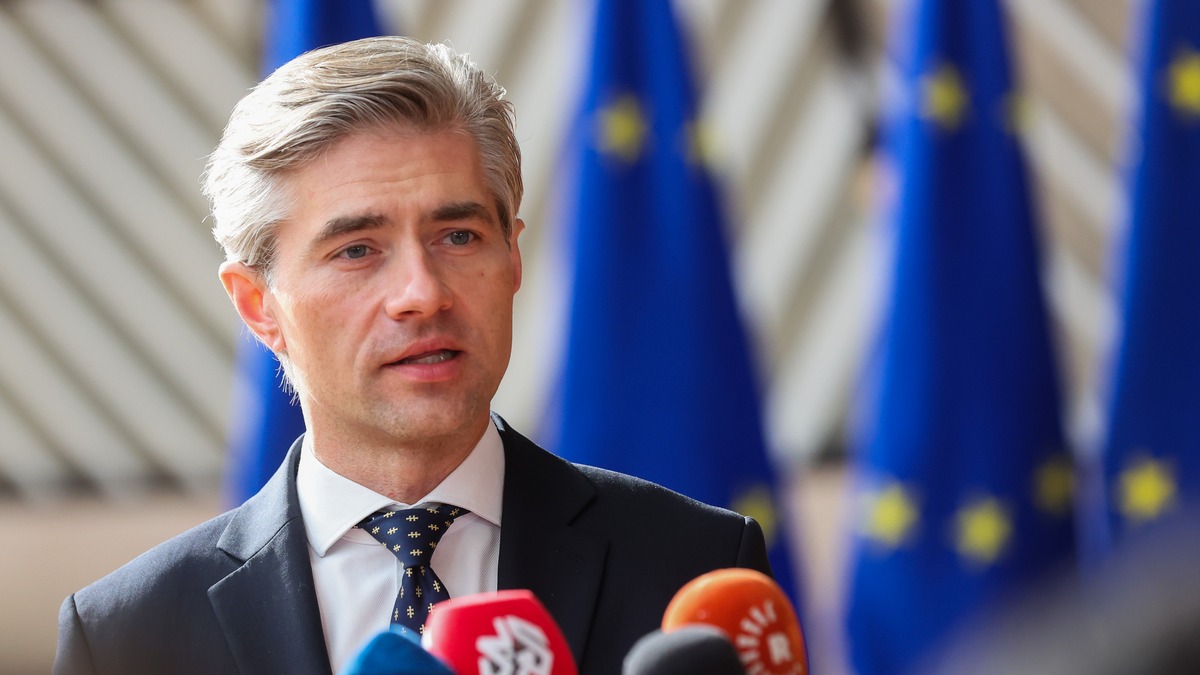
Lithuania's Foreign Minister Kęstutis Budris confirmed: there is pressure. "I can say that yes, there is additional activity on this issue from the United States," he said in a comment to Lithuanian publication Delfi. Budris also warned that Minsk could use the shift in relations with the United States to increase pressure on Lithuania.
"Sanctions imposed against Belarus by the European Union continue to be in effect"
Kęstutis Budris, Minister of Foreign Affairs of Lithuania
Vilnius's position remains unchanged for now: as long as EU sanctions are in place, there will be no transit. Lithuania's President Gitanas Nausėda is seeking allies: he expressed hope of forming a strong coalition that will decisively oppose the export of Belarusian fertilizers through Lithuanian ports, and has already secured understanding from the German chancellor.
What stands behind the numbers
The stakes for both sides are concrete. Before sanctions were introduced, Belarus exported 10–12 million tons of potash fertilizers annually, generating approximately $2.5 billion in foreign currency earnings. For Lithuania, closing the route was also painful: Klaipėda's turnover fell by approximately 20%, and the railway lost about 100 million euros per year.
Meanwhile, the United States imports approximately 88% of its potash from Canada, and about 8% from Russia. Before sanctions, imports of potash fertilizers from Belarus accounted for about 5% of the total volume. In other words, the American market is virtually independent of Belarusian potash — which makes the pressure on Lithuania more of a geopolitical gesture toward Minsk than an economic necessity for the United States itself.
The logic of the deal — and where it breaks down
The Trump administration views Belarus as a potential "bridge" to Putin to accelerate the end of the war in Ukraine. The loosening of sanctions is part of this bargain. But the structure is fragile: the Americans lifted their restrictions, while EU sanctions remain in place. Lithuania has ended up as a buffer between two systems of restrictions that are no longer synchronized.
- U.S. sanctions against Belaruskali — effectively suspended through the Treasury license
- EU sanctions against transit through Klaipėda — in effect
- Lithuania's position — to follow EU sanctions, despite pressure from Washington
If Brussels does not follow Washington and does not soften its own restrictions, the entire "fertilizers in exchange for prisoners" construction will remain unfinished: Lukashenko received international rehabilitation but not money. The question is whether Trump will stop at this — or whether the next step will be direct talks with Brussels about synchronizing sanctions policy, which the EU has not yet requested.



