U.S. lifts sanctions on Belaruskali and permits transactions with Belinvestbank — why it matters for Ukraine
OFAC removed Belaruskali from the SDN list and issued a general license for Belinvestbank following the release of 250 political prisoners. We explain what this means for Belarus’s economy, what risks it creates for Ukraine, and what partners should do to prevent the measure from becoming a loophole.

By Tetiana Suchkova-Ladik
March 26, 2026 · 2 min read
What happened — in short
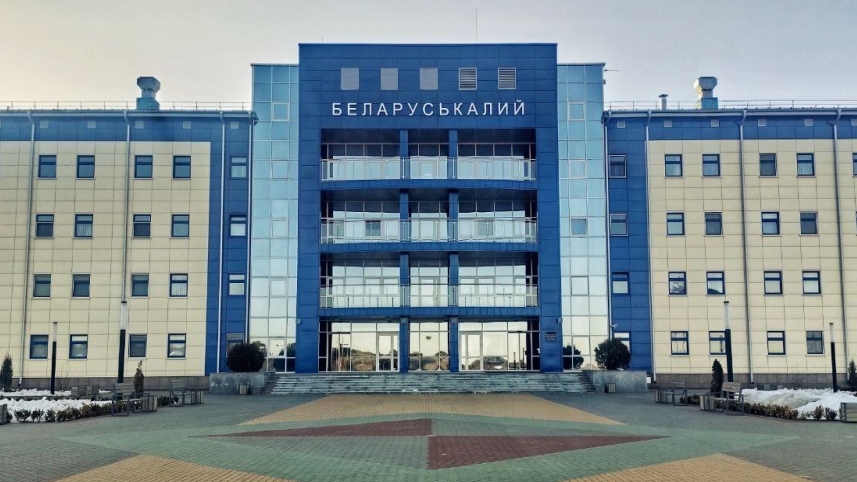
The U.S. Department of the Treasury's Office of Foreign Assets Control (OFAC) removed the state company Belaruskali and related entities from the SDN sanctions list, and also issued a general license permitting transactions with Belinvestbank and its subsidiaries. The official decision followed the release by Lukashenko's regime of about 250 political prisoners, the U.S. Treasury website reports.
Why this happened
Exchanging sanctions concessions for the release of political prisoners is straightforward diplomatic logic: the leverage of economic incentives is used to achieve a human-rights objective. At the same time, it is a signal from Washington that pressure mechanisms can be flexible when concrete concessions are obtained.
"This is a political signal."
— Pavlo Klimkin, Minister of Foreign Affairs of Ukraine (2014–2019)
Economic context: why potash matters
Potash fertilizers are one of Belarus's key export commodities. Belaruskali, together with Russian Uralkali and two American companies, is among the world's top four suppliers of potash. After the 2021 sanctions, Minsk redirected sales through Russia, which increased its economic dependence on the Kremlin.
Consequences for the region and for Ukraine
There are two opposing logics. On one hand, lifting sanctions may ease economic pressure on the regime and reduce its incentive to radicalize its foreign policy. On the other hand, restored revenues from potash exports and access to international banking operations give the regime resources that could be directed toward strengthening security cooperation with Russia or financing repressions.
For Ukraine this means: even a positive step (the release of prisoners) carries potential risks — from increased financial flows to deeper logistical integration of Minsk with Moscow. These risks need to be monitored promptly.
What partners and Ukraine should do
Declarations should be accompanied by control mechanisms. A minimal list of actions: transparent mechanisms to track potash export flows; financial monitoring of transactions through Belinvestbank; agreed international criteria for subsequent steps to tighten or reinstate sanctions; an independent report on the share of export revenues.
Conclusion
The OFAC decision is a tactical diplomatic victory that delivers real benefits to people (the returned political prisoners). At the same time, it opens space for the economic revival of Lukashenko's regime, which requires careful monitoring by Ukraine and its partners. The question is not whether to negotiate — but how to make trade transparent so that economic gains do not translate into geopolitical risks.



