"Steel Kyiv Region": 12-hectare industrial park with plans for UAH 3.5 billion in investment and 400 jobs
The Cabinet of Ministers has registered the industrial park "Staleva Kyivshchyna." This is not just another entry in the registry — the project could bolster the region's metal-industry supply chains and create jobs for hundreds of people. We examine how financing will work, which manufacturing operations are planned, and what risks remain.

By Tetiana Suchkova-Ladik
March 13, 2026 · 2 min read
About the project
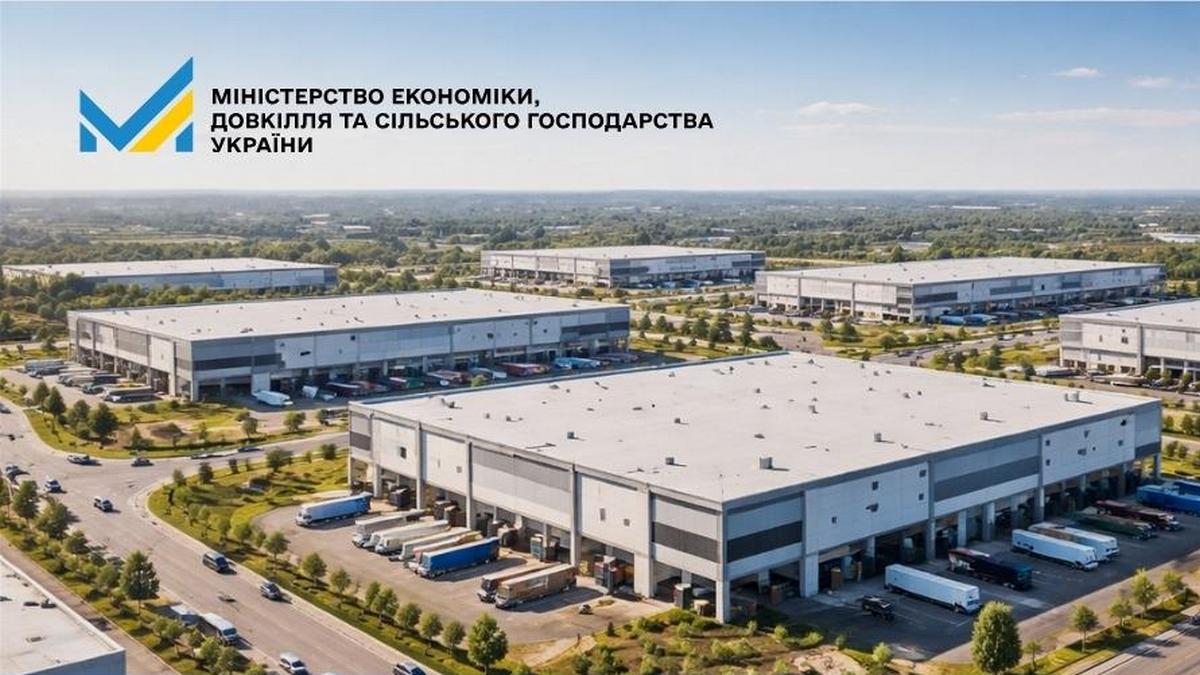
The Cabinet of Ministers has officially registered the industrial park “Stalova Kyivshchyna”. The concept is planned for 49 years and covers nearly 12 hectares in the Bila Tserkva community of Kyiv Oblast. The initiator of the creation is Grandstil LLC. The project is expected to create around 400 new jobs.
“The project's key focus is the development of a metalworking cluster with approximately 3.5 billion UAH in investment”
— Press Service of the Ministry of Economy
What they plan to produce
The park's territory is planned to host enterprises in several areas:
- metal treatment and application of coatings to metals;
- mechanical processing of metal products;
- forging, pressing, stamping, profiling, powder metallurgy;
- manufacture of building metal structures and products;
- manufacture of other finished metal products.
Economic rationale
The Ministry of Economy expects industrial parks to become one of the drivers of GDP growth. Global practice shows that one hectare of an industrial park can generate $7–10 million in annual turnover — a benchmark for assessing potential and the multiplier for jobs and taxes.
There are already over 100 industrial parks in the register, and “Stalova Kyivshchyna” comes as part of a broader strategy to restore production chains and localize industry after the shocks of recent years.
Financing and main risks
Financing is planned from three sources: the initiator's own funds, state incentives and investments from future participants. This scheme reduces initial risks, but at the same time creates critical points: signing long-term investment agreements, providing infrastructure (logistics, power supply), environmental permits and training of production personnel.
Analysts note: registration is an important step, but the key question for a real launch is whether declarations will turn into signed contracts and effective investments.
What’s next?
The plan is already on paper: 3.5 billion UAH and a metalworking cluster. The coming months will show how quickly investors and local authorities can coordinate infrastructure and regulatory issues. If all goes according to plan, the park could become a local center of heavy industry with a noticeable contribution to employment and export chains.
Whether this potential can be turned into real production is a question not only for the initiator but also for the state and the market. The answer will determine how quickly “Stalova Kyivshchyna” begins to deliver economic results for the region.



