Stefano Gabbana Sold His Stake, But Not His Share: Why the D&G Founder Quietly Left in December
Stefano Gabbana's resignation as head of Dolce & Gabbana occurred in December — and was kept quiet for four months. Now it's clear why: the brand is in negotiations to refinance €300 million in debt, while Gabbana himself is seeking a buyer for his 40% stake.

By Tetiana Suchkova-Ladik
April 10, 2026 · 2 min read
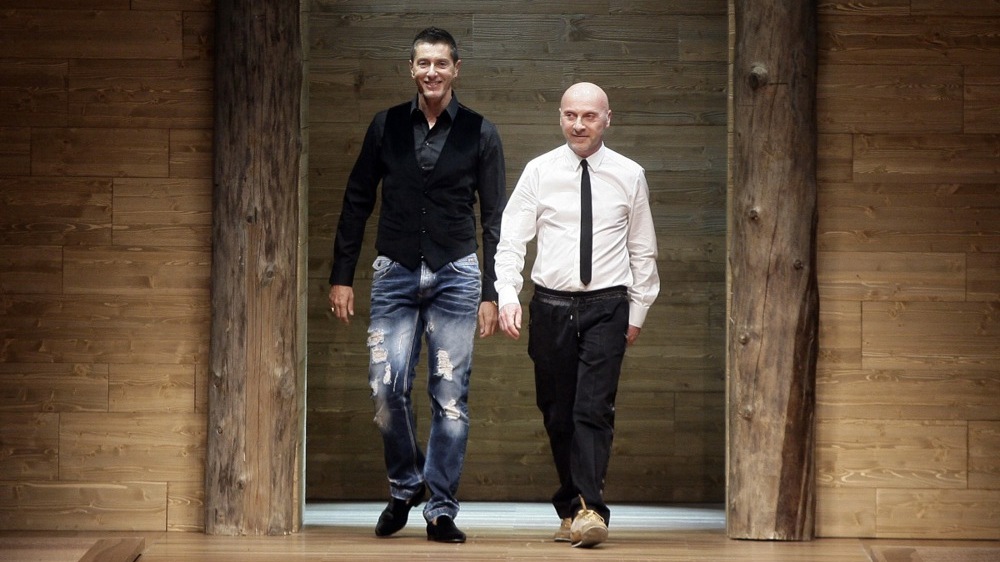
Stefano Gabbana stepped down as chairman of the board of Dolce & Gabbana in December 2025. This only became public in April — after Bloomberg gained access to registration documents of the Milan Chamber of Commerce. The company called the change a "natural evolution of organizational structure," but the chronology of events paints a different picture.
A quiet exit amid debt negotiations
Dolce & Gabbana is currently in talks with creditor banks about refinancing approximately €300 million in debt until 2030 and securing an additional €150 million — to expand the beauty segment and real estate. This is already the second attempt: last year the company went through a similar round and received temporary relief from some debt requirements, according to Time News.
According to Bloomberg, the brand's revenue for 2024–2025 totaled €1.9 billion, but the pressure of bank debt has become the top priority for management. It was at this moment that Gabbana, according to Bloomberg, is considering options to exit his 40% stake.
"His departure from the board chairmanship represents the first formal rupture between the creative identity of the brand and its management structure since the company's founding."
Business Upturn
Who's in charge now
Following Gabbana's resignation, Alfonso Dolce became chairman of the board in January 2026 — the brother of co-founder Domenico Dolce and current CEO of the company. This means control of the brand remained within the Dolce family. As Hypebeast reports, discussions are also underway about a possible appointment of Stefano Cantino — former Gucci CEO — to a top management role, although there is no official confirmation yet.
Why this is more than just a personnel rotation
For forty years, Gabbana and Dolce built the brand as an inseparable pair — creativity and business in one set of hands. Now a separation is occurring: Gabbana remains in a "creative role," but without a place in management and, potentially, without ownership. This is not a unique situation in the luxury market — Kering, LVMH, and Chanel have also revisited ownership structures of family brands in recent years. But for D&G, whose marketing has always been built on the personalities of the founders, Gabbana's exit from ownership would mean a fundamental change in what is being sold along with a dress or perfume.
- €300 million — debt to be refinanced by 2030
- 40% — Gabbana's stake that he is considering selling
- €1.9 billion — revenue for 2024–2025
- December 2025 — the actual resignation date that was not announced
If Gabbana does sell his stake to a strategic investor or one of the luxury conglomerates — D&G will cease to be an independent family brand. The question is whether the company can refinance on acceptable terms without such a sale, or whether debt pressure will make this choice for the founders.



