'SvitloDim' launched: 155 approved applications totaling UAH 41.7 million; 57 condominium associations have already received UAH 15.3 million
Funding for autonomous power supply has begun to arrive: in two weeks — 524 applications, first payments and a queue totaling UAH 26.4 million. What this means for residents and how the program affects communities' energy resilience.

By Tetiana Suchkova-Ladik
February 14, 2026 · 2 min read
Money likes silence — but these numbers are worth knowing
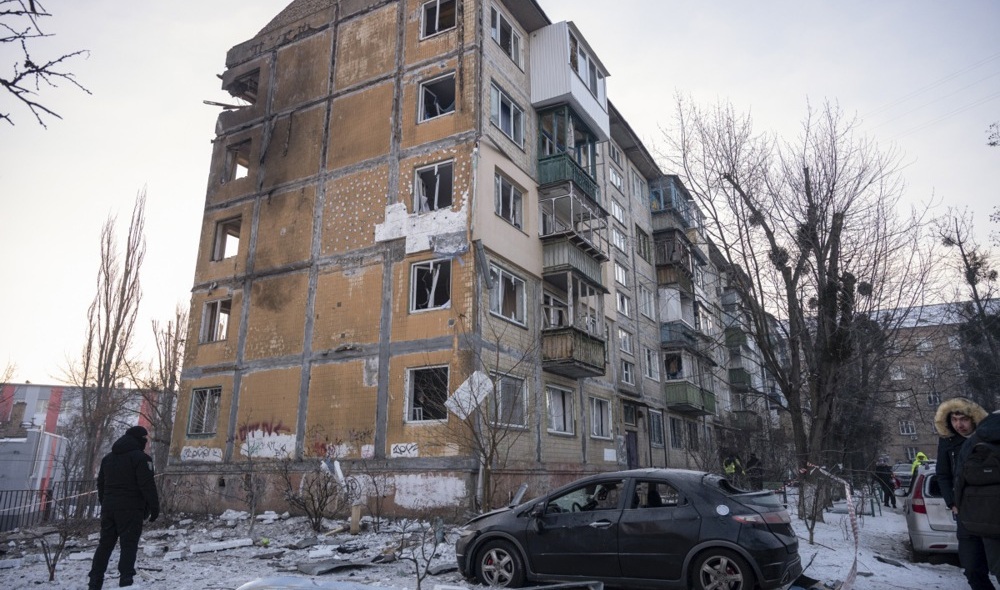
Two weeks after the launch of the state initiative “SvitloDim” (service “Assistance to apartment buildings”), 524 applications have been submitted by co-owners of multi-apartment buildings in Kyiv and the region. The data were released by the Ministry of Development of Communities and Territories — and they show that the program’s mechanism is already working and funds have started flowing directly to condominium associations.
"The program is designed to help co-owners provide their buildings with autonomous power during prolonged outages: budget funds are allocated for the purchase of generators, inverters, batteries, accumulators and solar panels."
— Press service of the Ministry of Development of Communities and Territories
What was done in two weeks
The Ministry’s commission processed 493 applications: 155 applications totaling 41.7 million UAH have already been forwarded for payment, while another 338 applications require refinement. To date, 57 applicants have received payments totaling 15.3 million UAH. From Monday, February 16, transfers will begin for another 98 approved applications totaling 26.4 million UAH.
Funds are credited to current accounts with a special regime of use at the program’s partner banks: Oschadbank, Ukrgasbank, Raiffeisen Bank, PrivatBank, Ukrsibbank, Kredobank and Globus Bank.
Where the money will go and who will benefit
Financing is intended for the purchase of equipment that provides autonomy during prolonged outages: generators, inverters, batteries, lithium- and lead-acid batteries, and solar panels. This is not one-off aid but an investment in local resilience: a building equipped with such a set can withstand several days or even longer without centralized power.
Why this matters
The program operates where a state of emergency in the energy sector has been declared — and its rollout began in Kyiv and the region. It is a model that increases communities’ energy independence and reduces the burden on emergency services during mass outages. Put simply: investing in a battery and an inverter means the stairwell, elevator or the building’s heating system are less dependent on centralized interruptions.
What’s next
On February 10, a regional-level state of emergency was declared in Kharkiv region, and regional authorities appealed to the Cabinet of Ministers to include Kharkiv and the region in the program. If this decision is approved, the Kyiv model can be scaled — taking into account local needs and the procedures for refining applications.
Technical detail: funds are transferred only to special accounts with a targeted-use regime at partner banks, which minimizes the risk of misuse and simplifies oversight.
Conclusion
The first figures show that the program started quickly and produced tangible results — it took less than two weeks from applications to payments. The next stage is scaling to other regions with emergencies and promptly refining 338 applications so that approved decisions turn into equipment and operational systems in buildings. For residents, this is not a matter of politics but of safety and comfort during a crisis.



