Global air-defence stockpiles on the brink: Rheinmetall warns of a shortage — why this matters for Ukraine
Systemic work that isn't always visible in the headlines: the head of Rheinmetall says that stocks of missiles and air‑defense systems are "practically depleted." We examine how this affects the front lines, suppliers, and Ukraine's defense capability.

By Tetiana Suchkova-Ladik
March 19, 2026 · 2 min read
What happened
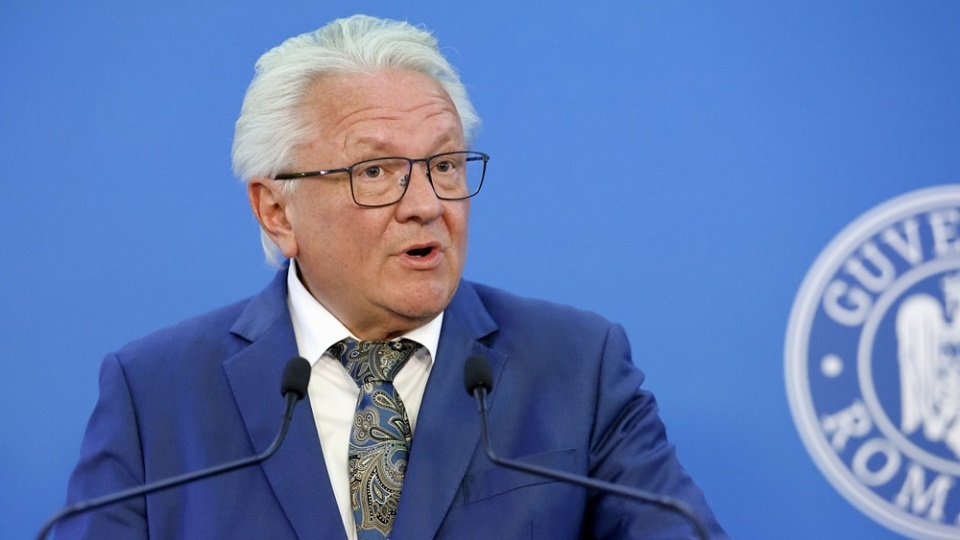
The CEO of the German defense conglomerate Rheinmetall, Armin Papperger, warned in an interview with CNBC that global stocks of air-defense (AD) systems are “practically exhausted” due to the escalation in the Middle East. Demand for missiles and interceptors has surged — orders are coming from all regions.
"I think that at the moment the warehouses of Europeans, Americans, and Middle Eastern countries are empty or almost empty... If the war in the Middle East continues for another month, I think we will have almost no missiles left"
— Armin Papperger, chairman of the board of Rheinmetall (interview with CNBC)
Why this matters for Ukraine
The war has shown that drones are a relatively cheap means of attack, while countering them requires more expensive technologies. When global stocks are depleted, supply priorities shift to regions with the most acute confrontations. For Ukraine, this means increased competition for the same missiles and interceptors that secure critical infrastructure and reduce battlefield losses.
Data and context
According to SIPRI estimates, between 2021 and 2025 European countries increased arms imports more than threefold, absorbing 33% of global deliveries; nearly half of these supplies (48%) were provided by the United States. The five largest importers in this period — Ukraine, India, Saudi Arabia, Qatar, and Pakistan — together received 35% of global arms imports.
How the defense industry is responding
Rheinmetall is already announcing large-scale investments and ramping up production: the CEO reported plans to increase artillery shell output from about 70,000 to 1.5 million per year by 2030, and the group’s order book is approaching €70 billion and could double. The company is also in negotiations in the Middle East and expects additional contracts in the coming weeks.
What Ukraine and its partners should do
The situation requires practical steps, not rhetoric. Among the most relevant actions:
- Expand diversification of supply sources and coordination among allies to avoid Ukraine being "removed" from priority recipient lists at a crisis moment.
- Accelerate large-scale local production of critical components and munitions through partnerships and technology transfer.
- Invest in multi-layered defense — a combination of missile interceptors, artillery, electronic warfare (EW) capabilities, and early-detection systems.
Brief outlook
If the escalation in the Middle East continues, pressure on global AD stocks will increase — meaning competition for limited resources will intensify. For Ukraine, this means: the winner will not be the one who asks the loudest, but the one who quickest turns diplomatic efforts into signed contracts and strengthens domestic defense-industrial capacity.
Now it’s up to the partners: declarations must turn into concrete deliveries and technology agreements that will equip our defenders in the coming months.



