Trump's Sons Invest in Powerus: How the Deal Could Affect the Ukrainian Drone Market
The WSJ reports on investments tied to the Trump family in a company that is negotiating to license and acquire Ukrainian technologies — we examine what benefits and risks this poses for Ukraine’s defense sector.

By Tetiana Suchkova-Ladik
March 9, 2026 · 2 min read
What happened
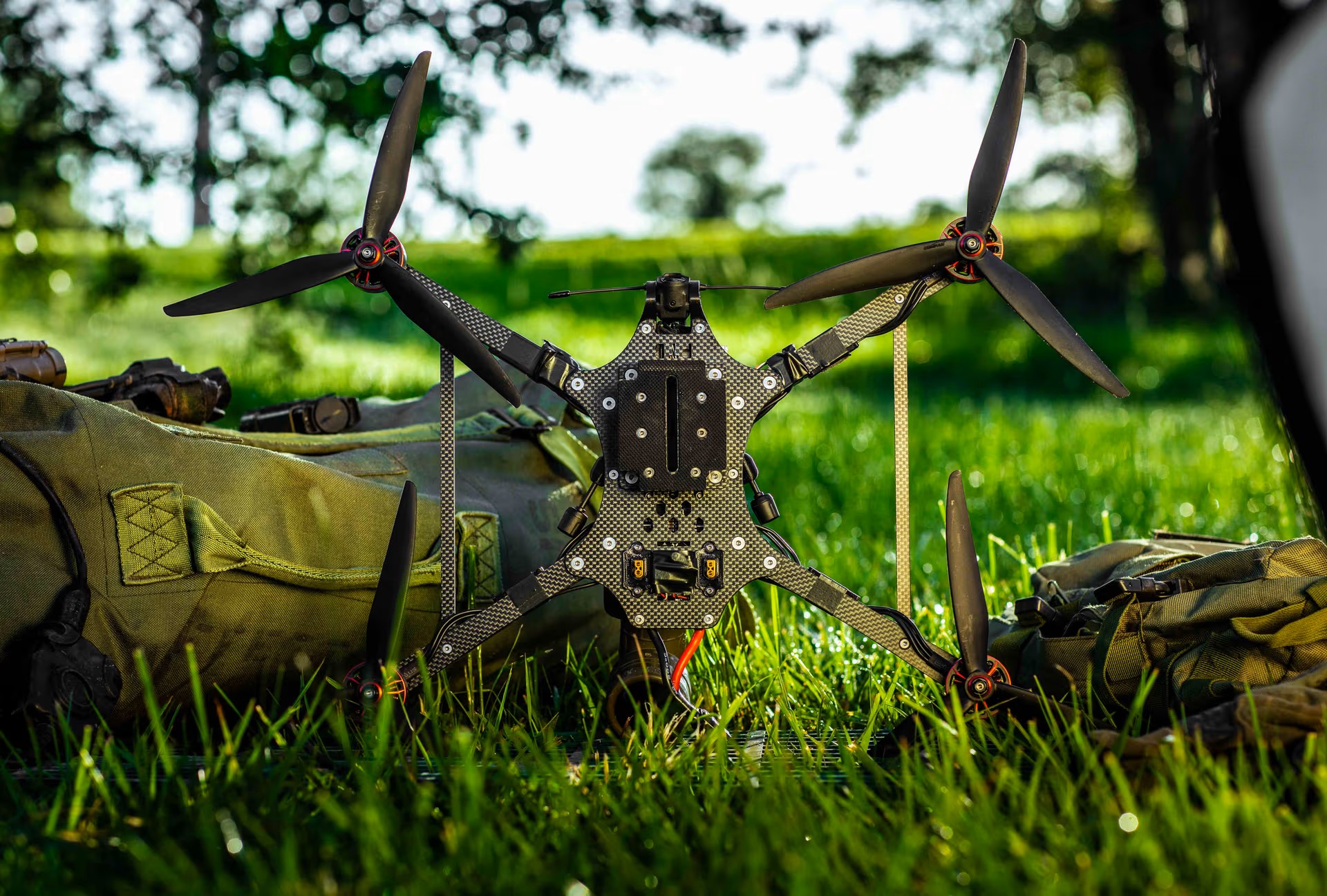
The Wall Street Journal reports that investments linked to Donald Trump’s family have gone into drone maker Powerus. The company is preparing to list on Nasdaq through a merger with holding company Aureus Greenway and says it plans rapid scaling: recent acquisitions of several small firms and the ambition to produce more than 10,000 drones per month.
"President Donald Trump's sons are investing in new drone maker Powerus"
— The Wall Street Journal
Key deal details
According to the WSJ, among Aureus Greenway’s shareholders are the Trump family investment fund American Ventures, the company Unusual Machines (with Donald Trump Jr. on its advisory board), and the Trump‑linked investment bank Dominari Securities. Powerus co‑founder Brett Velikovich, a veteran of U.S. special operations forces, confirms talks about acquiring Ukrainian manufacturers or licensing their developments for production under an American brand.
"The drone market will grow much faster than the market for golf courses"
— Andrew Fox, CEO of Powerus
Why this matters for Ukraine
There is a clear dual logic. First, investments and interest from external players can open large markets, financing, and access to U.S. production capacities for Ukrainian developments. Second, licensing or selling know‑how without strict conditions can weaken Ukraine’s technological independence and reduce the strategic value of its domestic defense industry.
Over four years of the full‑scale war, Ukraine’s defense industry has substantially built up competencies in unmanned systems; in February 2026 Ukraine entered the drone export market in a limited capacity. Export operations are accompanied by practical needs: from economic inputs to international support for the front (in particular, mentions of supplying interceptors and operators to protect U.S. bases in the Jordan region).
Risks and the rules of the game
Experts point to several areas of concern. First, intellectual property — who controls key algorithms, sensors, and manufacturing processes after licensing. Second, export control and compatibility with Ukrainian needs: equipment marketed under a foreign brand must remain accessible to the Armed Forces. Third, there are political and regulatory risks: cross‑border deals require transparent terms and state oversight.
Analysts note a useful strategy is to turn investor interest into a tool that strengthens the Ukrainian industry rather than disperses its technologies abroad.
What Ukraine should do
Practical steps are clear: demand explicit contractual terms on ownership rights to developments, mandatory investments in local production, conditions to bring part of production back to Ukraine or to create joint ventures, and preserve priority for defense needs. State guarantees, export controls, and transparent audits of deals are tools to safeguard the national interest.
Conclusion
The investment in Powerus opens both opportunities and risks. Now the question is not only about money but about the conditions Ukraine will set to turn foreign capital into a long‑term asset of its defense ecosystem. The ball is now in the hands of the state and Ukrainian companies: how to ensure that technologies remain a resource for security and do not simply become another export item.



