"Tedis Ukraine" Goes Bankrupt with 548 Million Debt to the State — And It Appears to Be Intentional
The former tobacco distribution monopolist evaded AMKУ fines for years, and now that its accounts have been seized, the owner has reportedly moved the business under a new brand — debt-free.

By Tetiana Suchkova-Ladik
April 27, 2026 · 2 min read
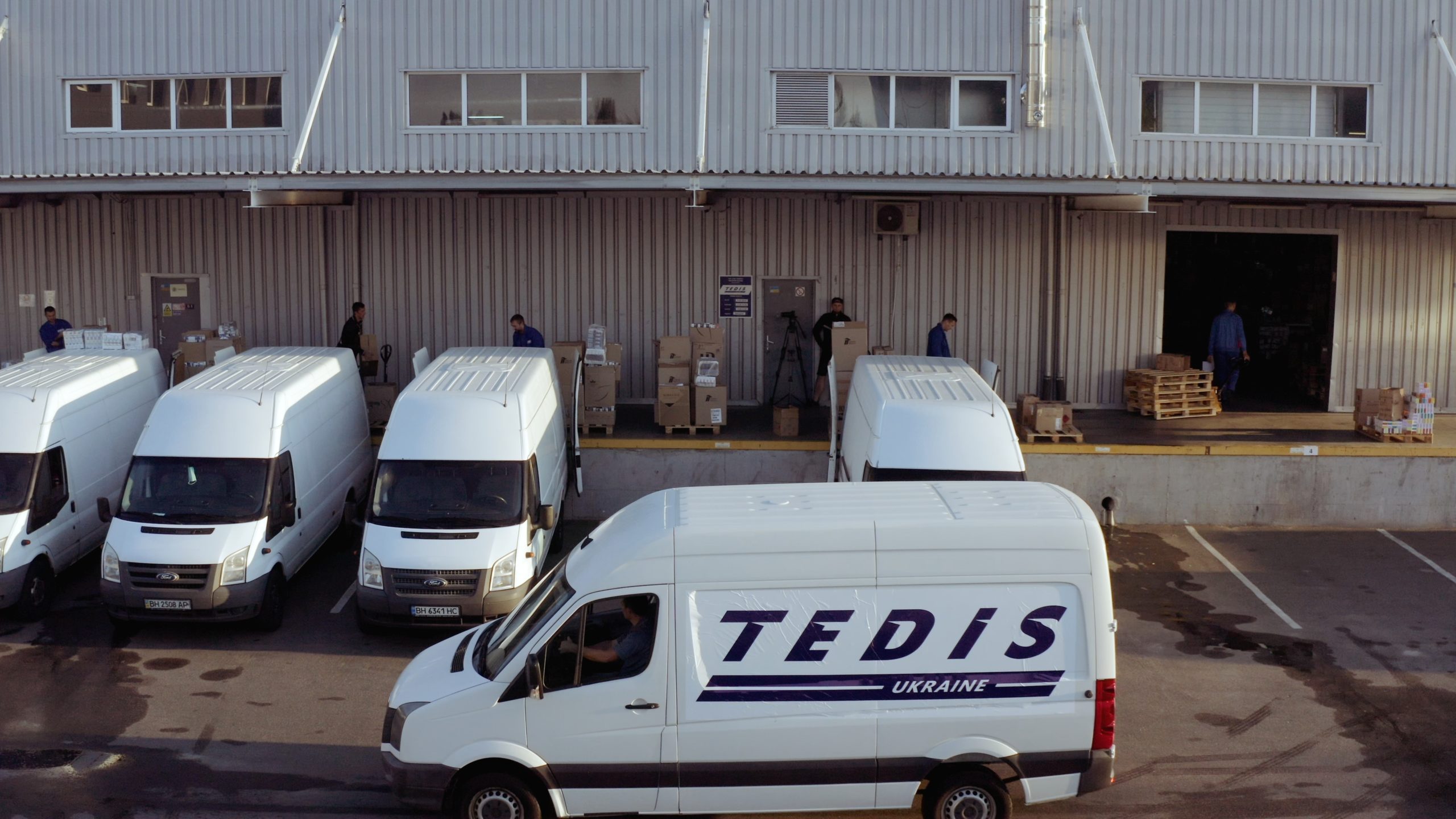
On April 23, the Commercial Court of Odesa Region opened proceedings in the bankruptcy case of LLC "Tedis Ukraina." The initiator was LLC "Accord Gold": the company made an advance payment of 38.1 million hrn under a 2025 supply contract, did not receive the goods, agreed on reimbursement — and did not receive that either. A bankruptcy lawsuit became a last resort.
But 38 million is only what lies on the surface.
Years of fines that nobody paid
Back in 2016, the AMCU recognized "Tedis Ukraina" as a monopolist in the national cigarette distribution market and ordered it to eliminate violations. The company only partially complied with the decision. In 2021, it was fined again — 274 million hrn. Penalties for late payment — another 274 million. Total: 548 million hrn.
"The aforementioned decision of the Supreme Court, made in favor of the Committee, is final and not subject to further appeal"
— AMCU, August 2023, after "Tedis" lost its cassation appeal in the Supreme Court
The company did not pay even after that. In October 2025, an appellate court froze the bank accounts of "Tedis Ukraina" — but, according to publications tracking the case, there was almost nothing left in the accounts at that time. Over three quarters of 2025, the company's revenue fell to 4.5 million hrn — compared to billion-hrn turnovers in previous years.
Debt to the tax authority and a liquidated intermediary
Parallel to the AMCU fines, an investigation into tax schemes continued. A company associated with "Tedis" called "Kavton Group," according to the State Tax Service, created negative VAT of 722 million hrn. The Lviv District Administrative Court liquidated "Kavton Group" based on a lawsuit by the Main Office of the State Tax Service in Lviv Region, recognizing it as fictitious.
A new player with the same face
As "Tedis" shrinks to nothing, the cigarette distribution market in Ukraine has passed to a new leader — DL Solution. According to "Obozrevatel" and "Telegraph," the company is, by all indications, associated with the same owner of "Tedis," Borys Kaufman, but is legally separated from him — and therefore is not obligated to pay either AMCU fines or the predecessor's tax debts. DL Solution is already involved in criminal proceedings.
Journalists describe the scheme as classic "controlled bankruptcy": the asset is withdrawn, debts remain with the legal shell, the new structure continues the business.
What's next
Formally, the bankruptcy case of "Tedis Ukraina" has just opened — ahead lie identification of creditors, inventory of assets, and liquidation procedures. Practically — the state is already in line as a creditor with a claim of 548 million hrn against a company that, judging by its 2025 revenues, has nothing to pay.
If the AMCU and the State Tax Service do not prove a legal connection between "Tedis Ukraina" and DL Solution, the state will exit this bankruptcy empty-handed — and the new monopolist will continue operating without any obligations of its predecessor.



