Ternopil becomes as expensive as Odesa recovers: security map turned into housing price map
Ukraine's secondary real estate market has split for the first time not along regional lines, but according to perceived safety. In areas where people have decided to stay, prices are rising faster than inflation.

By Tetiana Suchkova-Ladik
April 19, 2026 · 2 min read
A two-bedroom apartment in Ternopil has become 23% more expensive over the year. For comparison: in Lviv — by 10–11%, in the front-line Dnipro — significantly less. Not because Ternopil has changed. But because it has entered a new category: safe, but still affordable.
How the "safety map" is formed in prices
According to analytics from the LUN marketplace, the gap between housing costs in front-line and relatively safe regions continues to widen. If a year ago a one-bedroom apartment in Lviv cost twice as much as in Dnipro, now this gap is even wider. Buyers and relocatees vote with hryvnias — and their choice is read in the numbers.
RBC-Ukraine analysts noted a characteristic detail: two-bedroom apartments have become the most expensive — a segment traditionally chosen by families. This is an indirect indicator that internally displaced persons are transitioning from temporary rental to purchase: people have decided this is for the long term.
«The price driver became not income growth, but the risk factor»
Viktoriia Bereshchak, real estate market expert
Odesa — a separate story
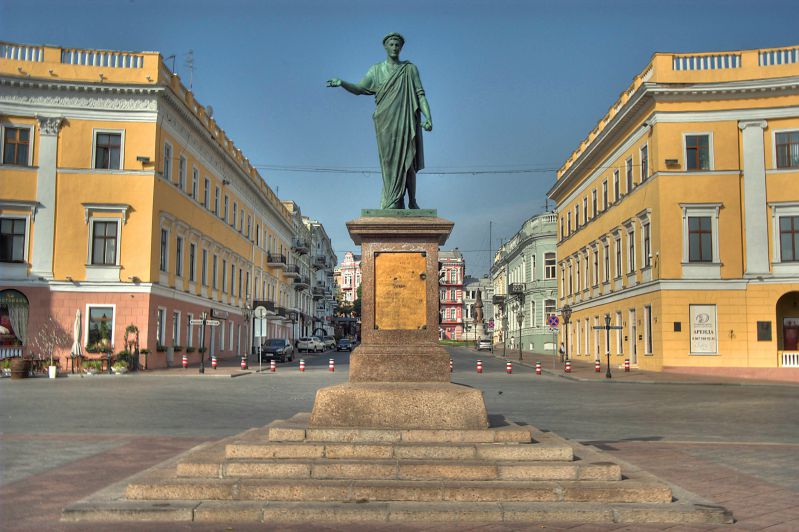
Odesa is among the leaders in growth with +18% for two-bedroom apartments — and this is after years of stagnation. A city under rocket attacks, with damaged infrastructure, but the market is recovering. LUN analysts explain this simply: Odesa was severely weakened in 2022–2023, and now a correction from below is taking place, not a real rally.
The time to sell an apartment in Odesa has shortened from 77 to 70 days — the market is moving faster. But this is still slower than in Kyiv (45–50 days), where shelling affects activity for only 1–2 weeks.
Uzhhorod — the ceiling has been reached
The smallest growth is in Uzhhorod. The city that first took the wave of IDPs in 2022 and immediately shot up in price has now stabilized. Demand is saturated, new buyers are choosing Ternopil, Chernivtsi (+20% for two-bedroom apartments), Khmelnytsky — second-tier safe cities where there is still room for growth.
- Ternopil: two-bedroom +23%, new construction +20%
- Chernivtsi: two-bedroom +20%
- Odesa: two-bedroom +18%, sale time is shortening
- Kharkiv: +13% — recovery from the bottom, not growth
- Uzhhorod: minimal growth, market is saturated
The eOselya program as a catalyst
A separate factor is government-backed mortgages. eOselya is available primarily to relocatees and military personnel, and it is this that drives demand on the secondary market in relatively safe cities. The primary market in these regions faces competition from the secondary market — buyers choose ready-made housing at an understandable price rather than a foundation pit with an undefined completion date.
At the same time, 48% of respondents in Lviv expect further price increases, only 18% — price decreases. In Kyiv — 42% versus 15%. Expectations themselves are a price-forming factor: if most people believe in growth, they don't wait and buy now.
The question is not whether Ternopil and Chernivtsi will continue to become more expensive — they will, as long as fighting continues in the east. The question is different: if the front line changes significantly or a real peace signal appears — which of these markets will collapse first, and which will maintain prices thanks to real demand, not fear?