Ternopil renews its fleet: 17 'Electron' trolleybuses by the end of summer — and what it means for residents
The most significant upgrade of electric transport in 15 years is taking place alongside fare increases. We examine how 17 new trolleybuses and a European Investment Bank loan will change the city's comfort, safety and budget.

By Tetiana Suchkova-Ladik
March 24, 2026 · 2 min read
Brief and to the point
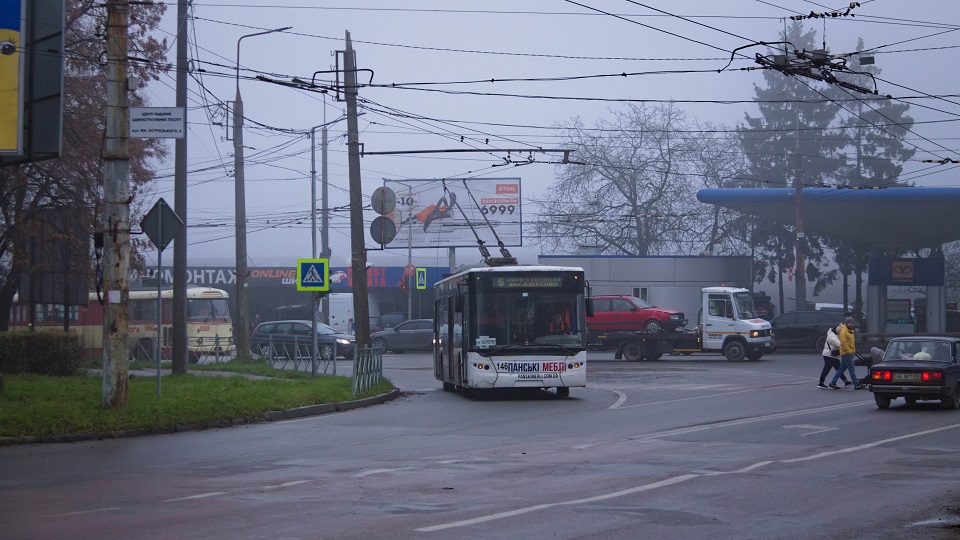
Ternopil has completed the procedure to purchase 17 low-floor "Electron" trolleybuses under a loan from the European Investment Bank (EIB). Under the agreement, the vehicles are to arrive in the city by the end of summer, Mayor Serhiy Nadal said. This is the largest fleet renewal in the past 15 years; the project cost is €5.5 million.
What was purchased
These are 12-meter low-floor trolleybuses with capacity for 106 passengers (34 seats). The vehicles are equipped with air conditioning, heating, USB ports, GPS trackers and surveillance cameras. They will be finished in a unified city livery — white and blue with city-themed elements.
Financing and context
The purchase was made as part of the "Urban Public Transport of Ukraine" project and financed by an EIB loan. It is part of a broader renewal programme: in January 2025 Ternopil announced intentions to buy another 39 trolleybuses with an EBRD loan and a grant from Canada, and in early March 2026 an additional 7 units were added for €2 million from the EIB.
What will change for passengers
The new vehicles will increase comfort and safety — air conditioning, surveillance cameras and USB ports make trips more convenient, while GPS will allow more accurate tracking of timetables. After technical inspections and branding, the trolleybuses will be put into service across eight existing lines.
Fare and public reaction
The renewal was announced on the same day a decision to raise fares was adopted: the base fare for card payments increased from UAH 15 to UAH 20 in municipal and private transport, while holders of the "Ternopil resident card" will pay UAH 5 less. The city also introduced the "Unified Ticket" service, which allows an unlimited number of transfers within half an hour.
"The city must receive the new trolleybuses by the end of summer"
— Serhiy Nadal, mayor
Why this matters
The EIB and other international financial partners invest in urban mobility not as a trend but because of the impact: fleet renewal reduces emissions, improves network efficiency and signals confidence in local management. For Ternopil, this is a step toward modernising the fleet and an example of consistent work that may not be immediately visible but is felt in everyday life.
Conclusion
Seventeen new trolleybuses represent a significant upgrade, but not a complete solution: the city fleet numbers about 50 vehicles, most of them old Czech Škoda models. Ahead are the integration of the new vehicles into the route network, maintenance servicing and meeting loan obligations. The question remains: will the current steps be enough for a systemic transformation of urban transport — and how quickly will Ternopil residents begin to feel these changes in their daily journeys?



