TotalEnergies acquires Lukoil's stake in Zeeland — another step toward displacing Russian business from the European market
A French company has become the sole owner of the Dutch Zeeland refinery. The decision is the result of sanctions pressure and market concerns. We examine why this matters for the energy security of Europe and Ukraine.

By Tetiana Suchkova-Ladik
February 11, 2026 · 2 min read
What happened
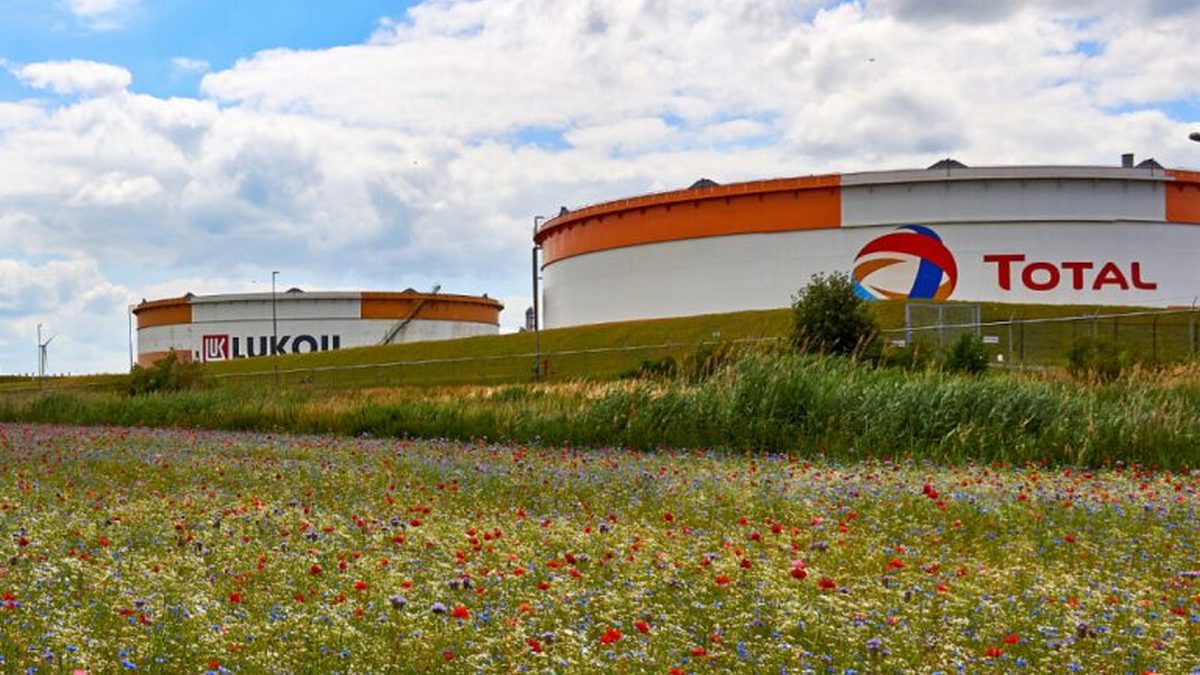
French energy giant TotalEnergies bought the remaining 45% stake in the Zeeland oil refinery in the Netherlands from Russian Lukoil and became its sole owner, Reuters reports, citing two informed sources.
"TotalEnergies became the sole owner of the Zeeland refinery after buying the remaining 45% stake that belonged to Russian Lukoil."
— Reuters, citing informed sources
Why this is more than a business deal
The history of the deal goes back to 2009, when Lukoil bought a stake in Zeeland for roughly $725 million — at the time this was seen as a move to strengthen Russian influence in the region. Today Total's decision has a different meaning: sanctions pressure and reputational risks have made cooperation with a minority Russian shareholder unattractive for partners.
The refinery has a capacity of about 180,000 barrels per day. Although Zeeland was not formally under U.S. sanctions, reports of a possible global sell-off of Lukoil's assets and the risk that suppliers would refuse to cooperate prompted Total to buy the stake.
Sanctions context and next steps
After the U.S. imposed sanctions on Lukoil, the company announced plans to sell its international assets, which were valued at around $22 billion. According to Reuters, at the end of January Lukoil signed an agreement with the U.S. investment firm Carlyle to sell Lukoil International GmbH — the entity that owns the group's international assets. However, that deal requires approval from OFAC: the Office of Foreign Assets Control has already blocked other attempts to acquire Lukoil's assets (for example, offers from Gunvor and Xtellus).
What this means for Ukraine
The event has several important aspects for Ukraine. First, weakening the presence of Russian companies in European supply chains reduces the financial and political resources available to the Kremlin. Second, it sends a signal to the market: international partners are ready to restructure participation in projects to minimize sanctions risks and reputational damage. Third, such a process requires close oversight — to ensure asset sales do not become a scheme to evade restrictions.
"TotalEnergies' decision is an example of how market decisions are reinforced by state measures, not just political statements."
— Reuters / general conclusion of energy market analysts
How final is this?
On one hand, the transfer of ownership of Zeeland reduces Lukoil's direct influence in Western Europe. On the other — the sale process and subsequent approvals (including from OFAC) leave room for legal and financial maneuvering. It is important that partners and regulators keep the focus on transparency of deals and do not allow funds that could support aggression against Ukraine to be hidden.
Summary
The buyout of Zeeland is not a dramatic collapse but a steady de-Russification of European energy chains under the pressure of sanctions and market logic. For Ukraine it is a step in the right direction, but questions remain: will partners be able to turn these agreements into durable mechanisms to block financial flows that fuel the war?
Source: Reuters; public data on Lukoil's assets and reports regarding OFAC sanctions.



