Trump to Question Xi About Iranian Oil: Why Beijing Pays Tehran — And Who Benefits
# US Trade Representative Calls Iranian Oil Buyers Terrorism Sponsors, Names China as Primary Purchaser The US trade representative has labeled buyers of Iranian oil as sponsors of terrorism, with China identified as the leading purchaser. Trump's negotiations with Xi are becoming a test of whether Washington is willing to pressure its trade deal partner simultaneously with discussions on tariffs.

By Tetiana Suchkova-Ladik
May 6, 2026 · 2 min read
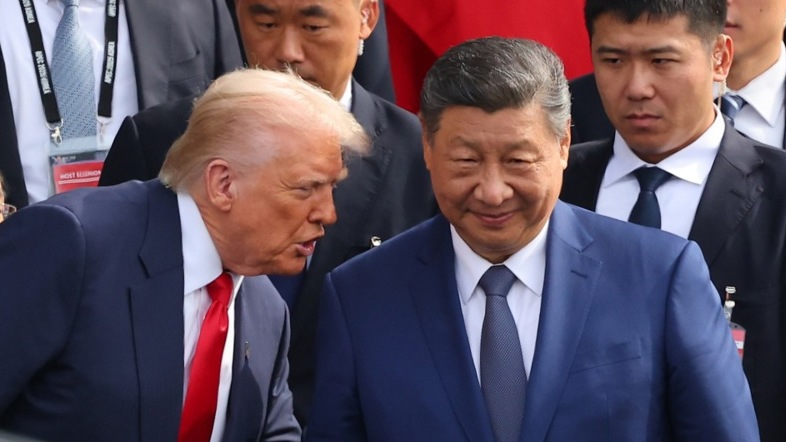
U.S. President Donald Trump plans to raise the issue of China's purchase of Iranian oil during his next conversation with Chinese leader Xi Jinping. This was reported by U.S. Trade Representative Jamieson Greer, who used tough language: everyone who buys Iranian oil finances terrorism from Tehran.
This is not mere rhetoric. China is the largest buyer of Iranian oil — by various estimates, it accounts for over 80% of Iranian oil exports. Without this demand, U.S. sanctions pressure on Iran loses much of its economic impact: Tehran receives currency that goes in part to financing Hamas, Hezbollah, and the Houthis.
Conflict of Interest — Not Hidden
The problem is that Washington is conducting parallel negotiations with Beijing on reducing tariffs following trade escalation in spring 2025. Pressure on China over Iran contradicts the logic of seeking compromise in trade — and Beijing understands this. China traditionally rejects U.S. sanctions rhetoric toward third countries as "one-sided coercive application of American legislation."
The Trump administration is trying to resolve this contradiction through the concept of "maximum pressure" on Iran — that is, squeezing Tehran into complete isolation by forcing all partners to choose between Iranian oil and access to the American market. But China has effectively ignored this choice for years — buying oil through intermediaries and shadow payment schemes.
What Lies Behind Greer's Statement
The trade representative's statement is a signal that Washington wants to fix the Iran issue on the agenda of negotiations with Xi. But fixing something on the agenda and applying real pressure are different things. The U.S. has imposed sanctions on several Chinese intermediaries trading in Iranian oil, but has not systematically punished major Chinese state structures, fearing escalation of the trade war.
If Trump truly raises this issue with Xi — and receives no concessions — the administration will face a choice: either escalate pressure and risk trade negotiations, or back down and admit that "maximum pressure" has limits where China begins.
Will the U.S. introduce secondary sanctions against major Chinese state companies for buying Iranian oil — or will the conversation with Xi remain a signal without consequences?



