Trump Turned Off the Oil Valve: What the End of Sanctions Exemptions for Russia and Iran Means
Washington has abandoned a practice that allowed "hostile" oil to reach the market. Prices, allies, and geopolitics are directly dependent on one decision.

By Tetiana Suchkova-Ladik
April 15, 2026 · 2 min read
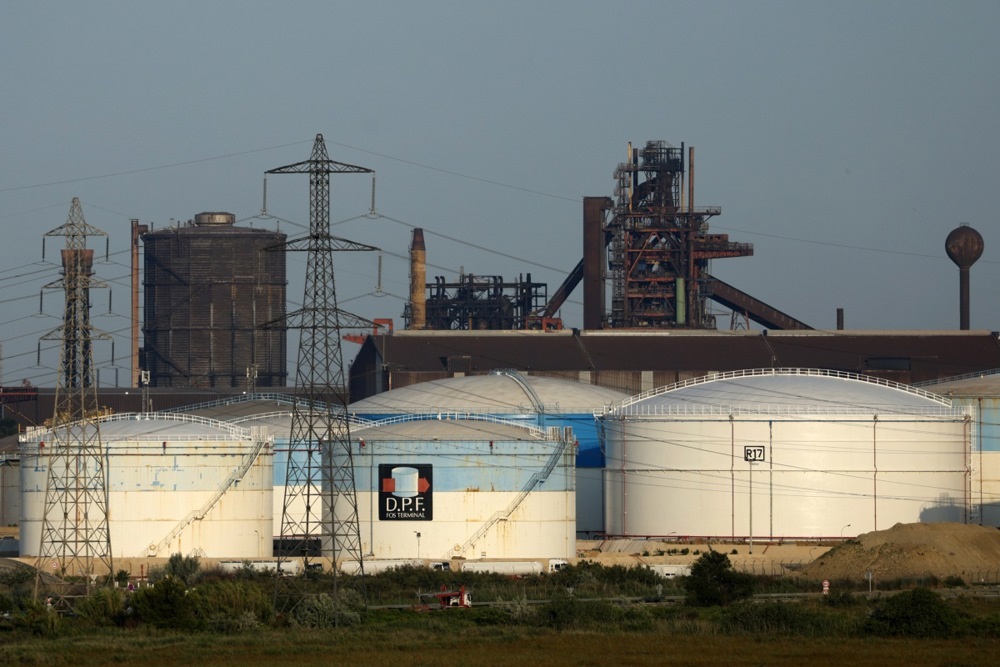
The Trump administration did not extend the sanctions exemption that allowed certain transactions with Russian oil to remain outside the restrictions regime. According to Reuters, a similar approach will be applied to Iranian oil — the White House has decided to wind down the practice of sanctions "windows."
This is not a technical detail. In recent years, sanctions exemptions have been a balancing tool: officially pressure Moscow and Tehran, but quietly prevent a sharp reduction in market supply. The result — oil from sanctioned countries still reached buyers through third jurisdictions, and prices remained manageable.
Why now
Trump came in with the motto "drill, baby, drill" — increasing American oil production as a response to any deficit. The logic of the new administration: if the US can fill the market with its own oil, the need for "humanitarian pauses" in sanctions pressure disappears. The exemption is no longer needed as insurance — it becomes political weakness.
The closure of the exemption for Russian oil is already in effect. The Iranian one is next, according to Reuters citing sources familiar with the administration's position.
What this changes in practice
First, pressure on the "shadow fleet" — tankers carrying sanctioned oil under flags of third countries — will increase formally and legally. Second, buyers from India and China, who actively used "grey" schemes, face greater risk of secondary sanctions. Third, any reduction in Iranian or Russian exports directly affects the global price per barrel — and the income of both countries from war and nuclear programs respectively.
The real conflict here is not between the US and Russia — it's between Washington and its own Asian allies, who built energy logistics around cheap sanctioned oil and are now forced to either restructure or risk relations with the States.
Limits of new harshness
Canceling exemptions is a signal. But a signal without a verification mechanism has limited weight. Neither in the administration's statement nor in Reuters materials is there mention of specific enforcement tools against third-country buyers. India was buying Russian oil at a 20-30 dollar per barrel discount — the economic incentive hasn't gone anywhere with the American decision.
The question is not whether Trump has the political will to close these flows. The question is at what price for American oil and what supply guarantees New Delhi and Beijing will actually change logistics — and whether Washington is ready to offer these terms.



