Transformer from Karlsruhe Arrives in Ukraine — How It Bolsters Energy Resilience Amid Russian Strikes
Equipment from the Rheinhafen‑Karlsruhe thermal power plant is already in Ukraine: we explain exactly what a transformer does and why this is not just technical assistance but also a signal of partnership.

By Tetiana Suchkova-Ladik
January 5, 2026 · 2 min read
What happened
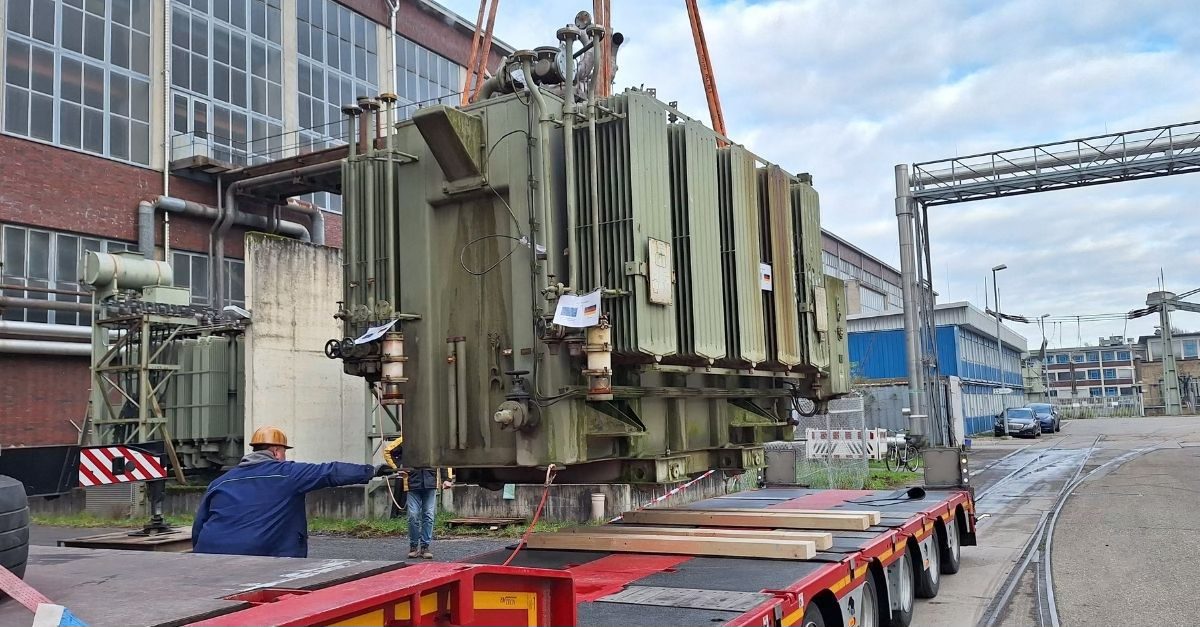
A transformer from the Rheinhafen‑Dampfkraftwerk Karlsruhe steam power plant has arrived in Ukraine. The delivery was organized with the support of GIZ Ukraine, the German Embassy in Ukraine reported. The equipment is intended to help stabilize the grid during Russian missile attacks on energy infrastructure.
"The equipment will help stabilize electricity supply amid the constant missile strikes by Russia on energy infrastructure facilities."
— German Embassy in Ukraine
Why it matters
A transformer is not a symbolic trophy but a critical element of the distribution link: it allows redistribution of capacity, reduces load on damaged sections and lowers the risk of prolonged outages. In systemic terms, it suppresses one of the factors of cascading failures that can turn local strikes into large-scale blackouts.
Beyond the technical effect, the delivery has a signalling value: it is an example of rapid coordination of equipment, logistics and financing between states and implementing agencies.
Context and support
GIZ Ukraine is implementing the German‑Ukrainian energy partnership on behalf of the German government, aimed at increasing the resilience of the energy system under conditions of full‑scale war. On 25 December, Germany made the largest one‑time contribution to the Energy Support Fund for Ukraine — more than €160 million, which provides the financial groundwork for such deliveries.
"The programme is aimed at supporting the Ukrainian energy system under conditions of full‑scale war."
— GIZ Ukraine
What next
On the technical side, installation, synchronization with local substations and provision of spare parts remain — this requires time and qualified crews. Politically and financially, it is important that large contributions be converted into concrete pieces of equipment and clear timelines for their commissioning.
Brief conclusion: this transformer does not solve the problem once and for all, but it reduces the network's vulnerability and confirms that partners are willing to invest not only money but also concrete equipment and coordination. The next step is to accelerate installation and scale such deliveries to minimize risks for consumers across the country.



