Transit through Hormuz dropped 95% — and this is no longer an oil crisis, but a food crisis
# Translation The blockade of the Strait of Hormuz following U.S. and Israeli strikes on Iran is not only hitting fuel prices. Fertilizers, which lack strategic reserves unlike oil, have become the hidden weapon of the crisis — and Ukrainian farmers are already feeling its effects.

By Tetiana Suchkova-Ladik
May 20, 2026 · 3 min read
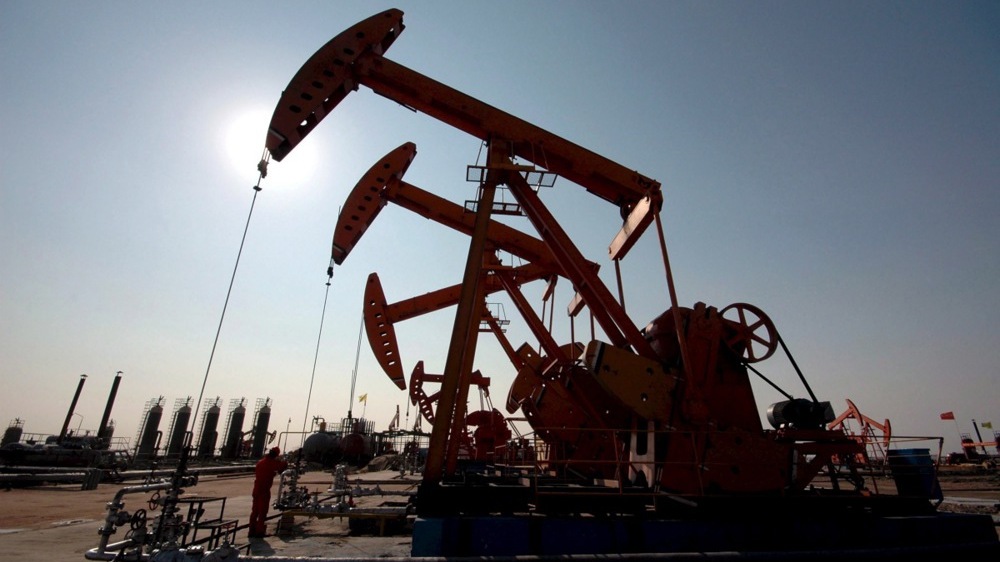
When on February 28, 2026, the United States and Israel struck Iran as part of Operation "Epic Fury," Tehran responded not with missiles against American bases, but by closing the 34-kilometer narrow passage between Iran and Oman. The number of ship transits through the Strait of Hormuz fell from approximately 130 per day in February to 6 in March — a 95% decline. Such figures were not published either during the Red Sea crisis in 2024 or after the Ever Given ran aground in the Suez Canal in 2021.
What Really Got Stuck in the Strait
Public discussion has focused on oil. But, as UNCTAD warns in its second emergency report, the energy shock is only the first channel of impact. The second, less visible one, is fertilizer.
According to CSIS, between 20 to 30% of global fertilizer exports pass through Hormuz: 35% of world urea trade and approximately 44% of maritime sulfur exports. Millions of tons from Qatar's QAFCO, Saudi Arabia's SABIC, and the UAE's Fertiglobe are physically blocked in the Persian Gulf.
"A ship's captain who dares to break through the strait under threat of drone strikes will choose oil over fertilizer — because oil costs more."
Noah Gordon, analyst at Carnegie Endowment
A critical difference from the oil crisis: G7 countries have strategic oil reserves. Strategic fertilizer reserves do not exist. Fitch Ratings increased its forecast for ammonia and urea prices for 2026 by approximately 25%; Oxford Economics estimates that fertilizer prices could remain 15–20% higher throughout the first half of the year if the crisis persists.
Global Bill: IMF and UN Figures
- The IMF lowered its forecast for global economic growth from 3.3% to 3.1% in 2026, global inflation — 4.4% (+0.6 p.p. from the January forecast).
- UNCTAD forecasts a slowdown in global commodity trade growth from 4.7% in 2025 to 1.5–2.5% in 2026.
- According to calculations by Babak Hafezi from American University, every $10 sustained increase in oil prices reduces GDP growth by approximately 0.4%.
- Brent crude at the height of the crisis exceeded $95 per barrel — compared to $80 immediately after the escalation and less than $65 before it.
The countries most dependent on imports of Middle Eastern energy will suffer the most — South Asia and Europe, UNCTAD warns. Eurozone: growth forecast lowered to 1.1% from 1.4% in 2025.
Ukraine: Agricultural Sector Under Double Pressure
For Ukraine, the crisis coincides with the spring sowing season. As Leonid Shnaydman, managing partner of Agropartner, explains, any restrictions on navigation through the Strait of Hormuz are immediately reflected in the global market: logistics risks affect ammonia first and foremost — a key raw material for nitrogen fertilizers, which entails an increase in freight rates and contract prices.
The 2026 crisis confirms a pattern already observed after Suez (2021), the Red Sea (2024), and the Black Sea (2022–2023): the global food system is built on a fragile foundation of narrow waterways, and each new crisis becomes more expensive compared to the previous one.
Even if the strait opens in the near future, restarting production and logistics chains will, according to Carnegie estimates, take weeks — and they are already being counted in hectares of unsown fields.
If negotiations between Iran and the United States do not provide a concrete timeline for resuming navigation by the end of April, the global fertilizer market will enter the summer season with a deficit that no strategic reserves will compensate — because they simply do not exist.
```


