Oil transit via "Druzhba": MOL prepares talks with Moscow while Kyiv awaits guarantees
# Head of Hungarian Oil Refiner MOL to Visit Russia Next Week. What It Means for Ukraine, Which Blocked Transit Over Sanctioned Payments The CEO of Hungarian oil refiner MOL, Zoltan Hernadi, is traveling to Russia next week. This development comes as Ukraine has blocked transit over sanctioned payment settlements.

By Tetiana Suchkova-Ladik
April 17, 2026 · 1 min read
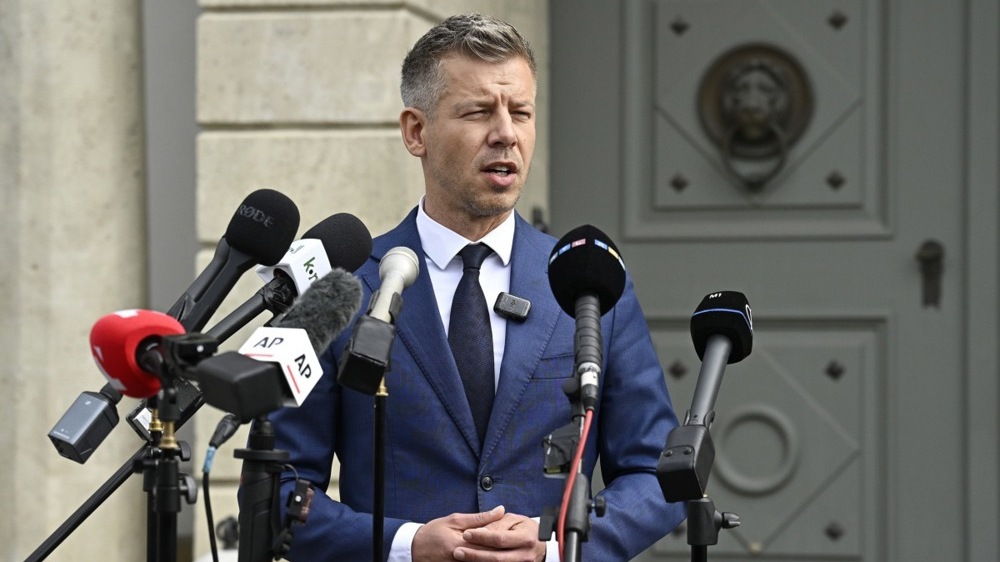
The transit of Russian oil through the Druzhba pipeline via Ukraine could resume within weeks—if the Hungarian side succeeds in obtaining an acceptable payment scheme from Moscow. This was announced by Hungarian Energy Minister Csaba Kóvári, confirming that MOL head Zsolt Hernádi plans a personal visit to Russia next week.
The problem is straightforward: Ukraine has been blocking Lukoil's oil shipments through its pipeline system since the beginning of 2025 because transit payments are processed through a sanctioned Russian bank. Ukrtransnafta cannot physically accept the payment—and is legally not obligated to take the risk for a Hungarian importer.
MOL, which refines this oil at its plants in Slovakia and Hungary, finds itself caught between a rock and a hard place: Kyiv will not compromise on sanctions enforcement, while Moscow is in no hurry to change its correspondent bank. Hernádi is traveling to seek a solution—likely an alternative payment route or a third-party intermediary.
Ukraine has its own calculations here. Transit revenues are not the main argument: based on pre-war tariffs, this involved tens of millions of dollars annually, not a critical budget item. What matters more is this: any scheme allowing Lukoil to pay circumventing sanctions creates a precedent for pressure on Kyiv from EU partners—particularly Budapest, which systematically blocks EU decisions regarding Ukraine.
Slovakia and Hungary officially classify the situation as an energy crisis and are pressing the European Commission. Prime Minister Fico has already called Ukraine's position "energy blackmail." Brussels is staying on the sidelines for now, not acknowledging any breach of obligations by Kyiv—because there formally are none: Ukraine is not obligated to organize transit through sanctioned structures.
The outcome of Hernádi's negotiations in Moscow will determine whether a technical solution acceptable to all parties emerges. But the key question remains open: will Kyiv agree to any scheme that effectively allows Lukoil to continue operating—even if the banking route formally changes?



