Under fire for a third day: Russian attacks on Naftogaz assets in Poltava region — operator killed, production halted
On March 28, as a result of nighttime drone strikes on three Naftogaz facilities, 55-year-old operator Roman Chmykhun was killed. This is already the company's second loss this week — the consequences are being felt in domestic production and the gas import program.

By Tetiana Suchkova-Ladik
March 28, 2026 · 2 min read
Attacks in Poltava region: three days running
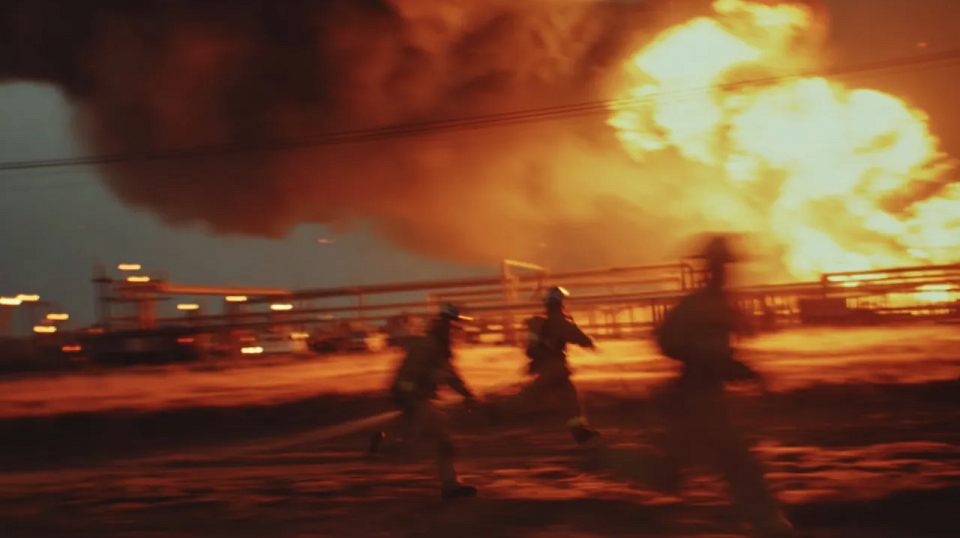
For a third consecutive day Russian forces have been mounting heavy attacks on the gas production assets of the Naftogaz group in Poltava Oblast. In the night and morning of 28 March the enemy used attack drones against three production facilities — during one of the attacks the death of 55-year-old process equipment operator Roman Chmykhun was confirmed.
"My deepest condolences to the family, loved ones and the entire team. This is already the second painful loss for us this week"
— Serhiy Koretskyi, Chairman of the Board of NJSC "Naftogaz of Ukraine"
Impact on production and safety
Emergency and special services are working at the impact sites. Some equipment has been put out of service, the operation of the attacked facilities has been halted — mitigation of the consequences is underway. Earlier, on 26–27 March, similar strikes had already caused damage and temporary suspension of operations at production sites, at that time with no casualties.
Since the beginning of the year, according to the company, Russia has attacked Naftogaz infrastructure about 40 times. Such targeted strikes directly hit energy infrastructure and increase risks to domestic gas production.
Imports, prices and the market
Because part of domestic production has been taken out of operation, Ukraine is forced to ramp up imported gas supplies. The group's management has reported plans to arrange deliveries of 1 billion m³ of LNG from the United States in 2026 as part of supply diversification.
At the same time, volatility on global markets has increased — escalation in the region and supply chain risks have pushed prices up. Journalists at LIGA.net have explained in detail why this affects fuel prices in Ukraine and what the consequences are for households and businesses.
Why this matters
Russia systematically attacks energy infrastructure to weaken economic stability and create additional pressure on society. For Ukrainians, this means higher budget expenditures on energy imports, the risk of local outages and additional costs for restoration and protection of facilities.
What to do next
Quick decisions are needed: strengthening air defence and physical protection of critical infrastructure, speeding up the signing of import contracts and reserving resources to ensure supply stability. Partners' declarations must turn into concrete deliveries — this is a matter of energy security.
The situation remains tense. We will monitor updates from Naftogaz and the services and report on key decisions that affect supply and prices.



