Pipeline Instead of Strait: How Saudi Arabia Earned $24.65 Billion on Closed Hormuz
In March 2026, Saudi Arabia's oil revenues reached a three-year high — not despite the closure of the Strait of Hormuz, but largely thanks to infrastructure that Riyadh had been building as a backup route for decades.

By Tetiana Suchkova-Ladik
May 21, 2026 · 3 min read
When the United States and Israel launched a war against Iran on February 28, 2026, and Tehran effectively blocked the Strait of Hormuz to neutral shipping, analysts expected an oil shock for Saudi Arabia. Instead, in March, the kingdom earned $24.65 billion from oil exports — the highest since October 2022, 37% more than a year earlier. Bloomberg attributed this to a swift switch to an alternative route.
A 40-year-old pipeline — and finally needed
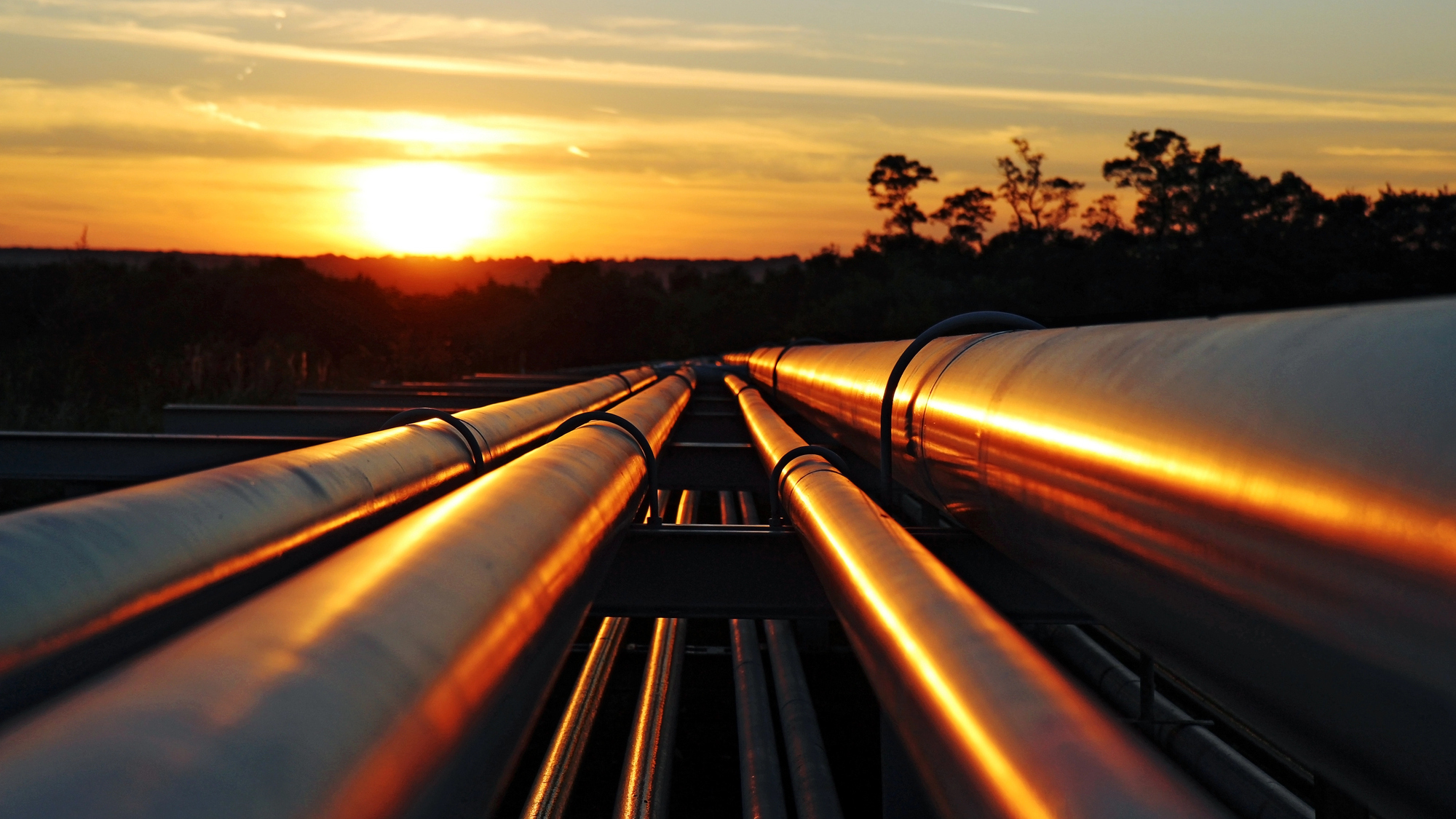
The East-West Pipeline, or Petroline — is a 1,201 km pipe from oil fields in Abqaiq in the east of the Arabian Peninsula to the port city of Yanbu on the Red Sea. According to Wikipedia, on March 11, 2026, Aramco converted associated gas pipelines to crude oil, increasing capacity to 7 million barrels per day — twice the pre-war usage. According to Fortune, by the end of March, approximately 5 million barrels of crude oil and 700–900 thousand barrels of refined products were being shipped daily through Yanbu.
"The East-West Pipeline is operating at maximum capacity and helping to mitigate the impact of the global energy shock for our customers"
— Amin Nasser, President and CEO of Saudi Aramco
Aramco's quarterly profit increased by 25% — to $32.5 billion, Fortune reported. For comparison, the company ended 2025 with a 12% decline in annual profit.
What doesn't fit the success narrative
The switch occurred under pressure and with risks that have not disappeared. According to Al Jazeera, in January-February, an average of 770 thousand barrels per day flowed through the pipeline — by the end of March, this figure rose to 2.9 million. The port of Yanbu is holding the load, but BloombergNEF questioned in mid-March whether the port's infrastructure would withstand full capacity.
The risk materialized: as Wikipedia recorded, on April 9, an Iranian drone struck a pipeline pumping station, reducing throughput by 700 thousand barrels per day. In less than three days, Aramco restored full capacity — but a precedent has been established.
- The Houthis declared their entry into the war on Iran's side and previously attacked the same pipeline — a drone strike in 2019 temporarily halted pumping.
- The Red Sea was a zone of constant attacks on tankers in 2024–2025.
- Yemen geographically controls the Bab el-Mandeb Strait — the entrance to the Red Sea from the Indian Ocean.
Why this matters beyond the Arabian Peninsula
According to the IEA, before the conflict began, approximately 15 million barrels of crude oil per day passed through the Strait of Hormuz — nearly 34% of global maritime oil trade. China and India together received 44% of this flow. The Saudi pipeline partially replaces this volume, but leaves Iraq, Kuwait, Qatar, and Bahrain — countries without their own alternative routes — without an alternative outlet.
The paradox of the March statistics lies in the fact that the jump in revenues reflects not stability, but the price of crisis: oil became more expensive precisely because of the threat of disruptions, and Saudi Arabia found itself in a rare position — as one of the few sellers able to deliver the goods.
If the Houthis block the Bab el-Mandeb or deliver a critical strike on Yanbu, the pipeline will become a dead end — and then the question is no longer how much Riyadh will earn in April, but whether it will be able to sell oil at all without the Strait of Hormuz.