Trump Tower in Australia Canceled Due to Brand "Toxicity"
Developer Abandons 91-Story Trump International Complex on Golden Shore — Trump's Name Became a Problem, Not an Advantage.

By Tetiana Suchkova-Ladik
May 13, 2026 · 1 min read
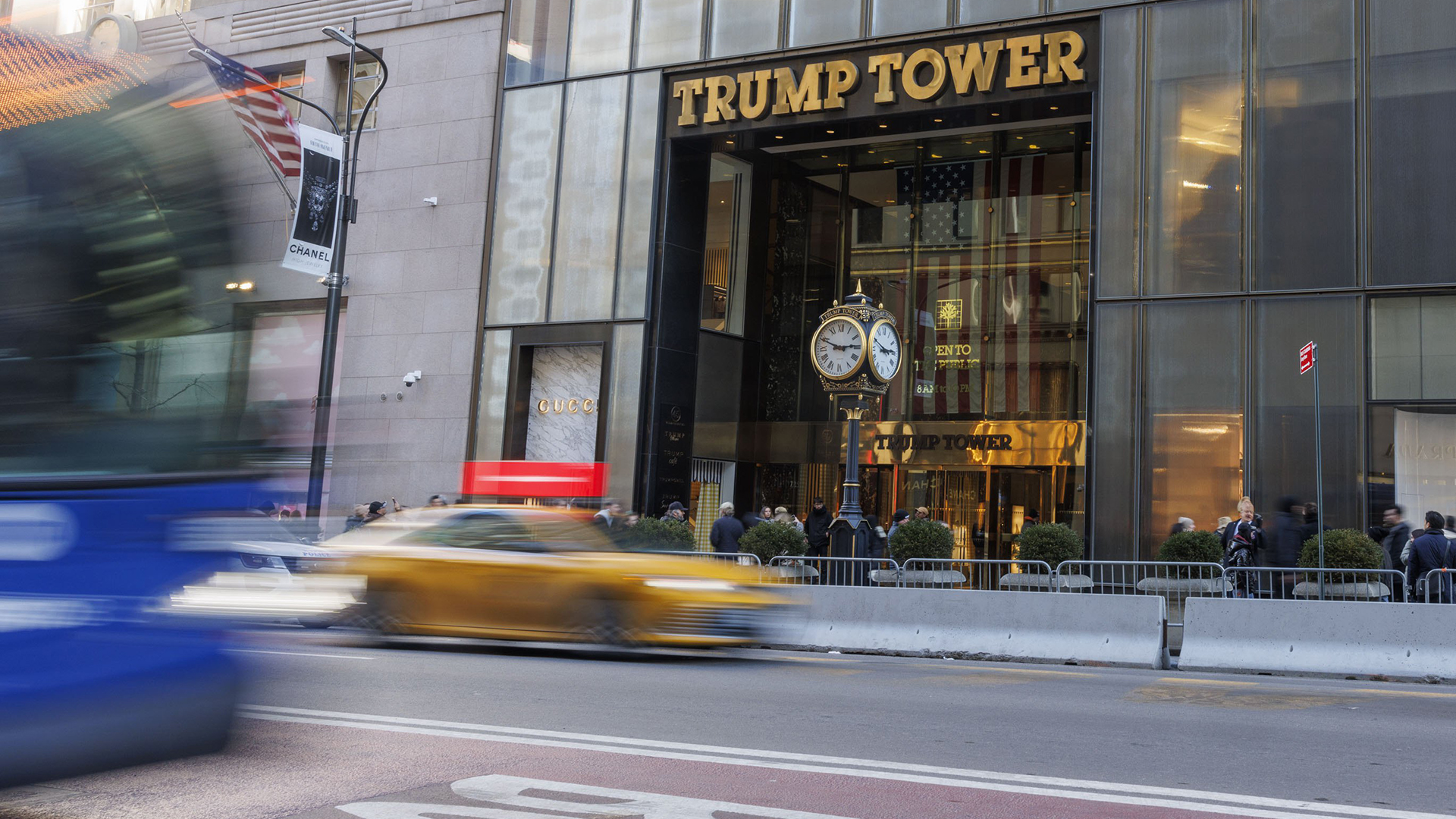
Australia's Gold Coast will not see the Trump International Hotel & Tower. The developer has officially abandoned the project, calling Trump's brand "toxic" — and this is perhaps the most frank formulation one could hear from someone who invested money in real estate under this name.
The complex was conceived ambitiously: a 91-story hotel with premium apartments on the Pacific coast. The deal with Trump's organization involved licensing the name — a standard scheme through which Trump monetizes his brand without direct investment. The developer pays for the right to name the building "Trump," receiving in return the marketing halo of luxury.
The problem is that this halo works only as long as the name is associated with success, not with lawsuits, political scandals, and polarization. The Australian real estate market — particularly in the segment of international buyers from Asia — proved to be more sensitive to reputational risks than the developer had anticipated.
This is not the first case. After 2016, several hotels in various countries removed Trump's name from their façades — some due to pressure from residents, some due to declining occupancy rates. A brand that had spent decades selling the dream of American luxury has become a political position. And a position repels part of the clientele regardless of the quality of the concrete.
The Gold Coast, however, is not stopping — the plot is not going anywhere, and the developer is apparently seeking an alternative concept. The question is practical: will another premium brand be found that can replace Trump in marketing materials without losing the target audience that was initially planned to be attracted precisely because of this name?



