Trypillia TPP: 13 strikes, 90% destroyed — and the decision to try again
On November 8, 2025, Russia dealt the heaviest strike against the station since the beginning of the invasion — a year after the state allocated 1.5 billion hryvnias for its reconstruction. The cost and timeline for the new rebuilding remain unknown.

By Tetiana Suchkova-Ladik
May 22, 2026 · 2 min read
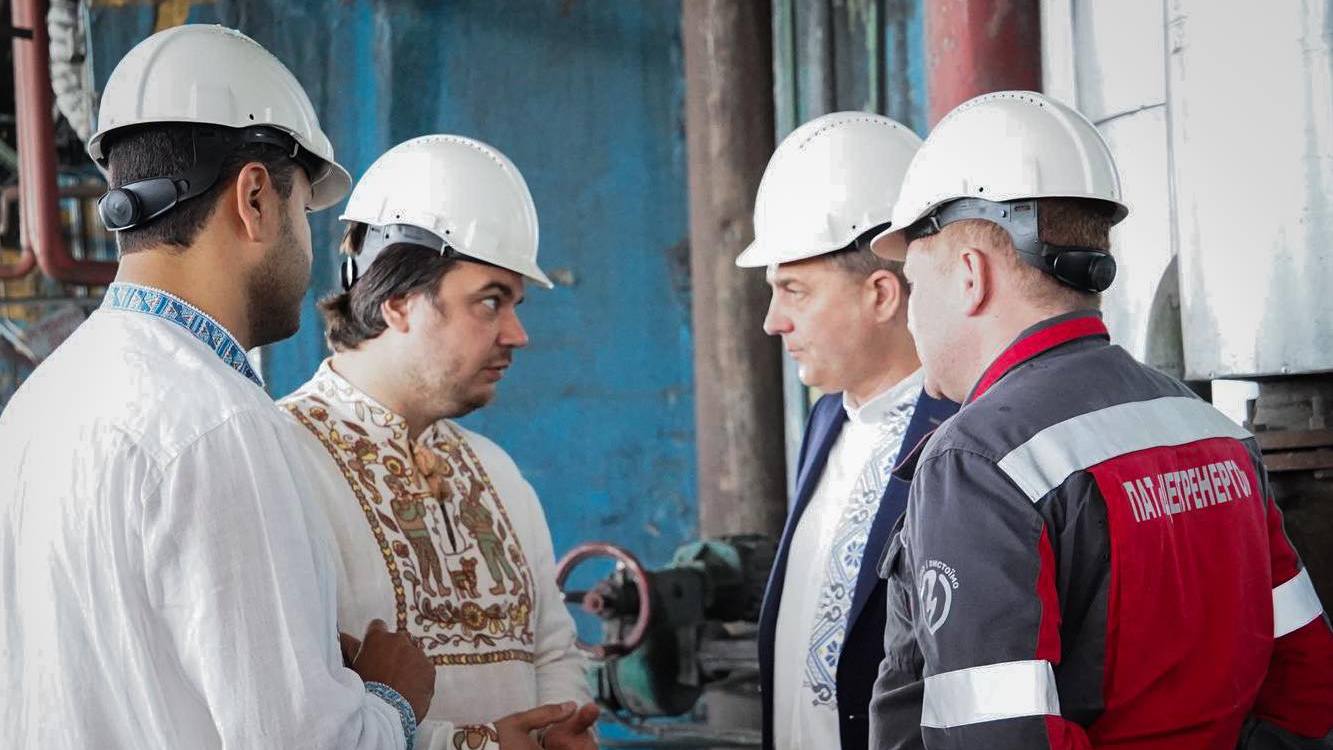
Head of the State Property Fund Dmytro Ntalukha visited the Trypilska TPP and publicly confirmed: the station will be restored. He named neither timelines nor budget. According to Ntalukha, the main task now is stable passage through the heating season and continued reconstruction of infrastructure that comes under attack daily.
This decision is not just a statement of intent. During the full-scale Russian invasion, the station has been attacked 13 times, with approximately 70 missile and drone hits recorded. Approximately 90% of the production assets have been destroyed: thermal-mechanical and electrical equipment, production buildings and structures.
Cycle of destruction and restoration
April 2024: a combined strike by drones and missiles destroyed the turbine shop — then Centerenergo lost 100% of generation. Throughout autumn 2024 and spring 2025, emergency repair work continued; tenders were announced and contracts were concluded for turbine and equipment repairs.
On the night of November 8, 2025, Russia launched what Centerenergo called the most massive strike on thermal generation since the start of the invasion. Trypilska and Zmiyivska TPPs were attacked simultaneously with an "unprecedented number of missiles and countless drones." The company stated: all results of annual repairs were lost.
«The stations are on fire, generation is zero.»
Centerenergo, November 8, 2025
What the numbers mean
Trypilska TPP with an installed capacity of 1,800 MW was the largest electricity supplier to Kyiv, Cherkasy, and Zhytomyr regions — more than half of all Kyiv region generation. In May 2024, the Cabinet of Ministers allocated 1.5 billion hryvnias to Centerenergo for restoring Trypilska and Zmiyivska stations. Now these funds effectively need to be recalculated.
According to Ekonomichna Pravda, after the November 8 strike, rolling blackouts lasting 3–4 shifts continued for weeks; with the onset of frost, the situation could have worsened.
Logic of the decision
Refusing restoration would mean permanently decommissioning Kyiv region's largest power generation facility. Continuing means investing resources in an object that Russia systematically attacks again after each repair. The state chose to continue, but without a public defense plan and without a stated cost.
The key question is not «whether they will restore it,» but whether a mechanism to protect the station will appear before new capacities are commissioned — because without it, the next strike will only repeat the cycle.



