This Is a Robbery in Disguise: Russia Confiscated Usyk's and Franchuk's Property
The Kremlin announced the "nationalization" of the property of 84 individuals and companies in Crimea — from boxer Usyk to businessman Franchuk and the families of servicemen. This is not merely corporate raiding — it's a tool of intimidation that Western experts are already analyzing.
By Oleg Bazylewicz
December 16, 2025 · 2 min read
Time to face the truth
Time to face the truth: the situation is serious, but under control. The Russian authorities of occupied Crimea have announced the "nationalization" of the property of 84 individuals and legal entities — a move aimed not just at assets but at our people, their support for the army, and their sense of security.
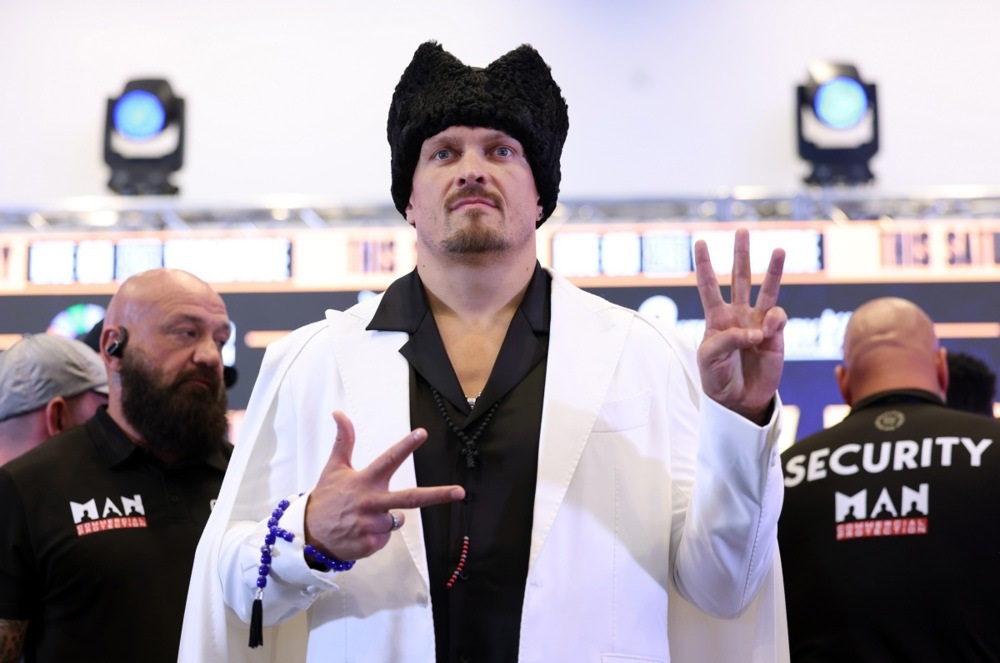
“Among them is athlete Oleksandr Usyk, who is a supporter of Nazi ideology. He repeatedly condemned the SVO and organized fundraisers for the needs of the Armed Forces of Ukraine.”
– Volodymyr Konstantinov, head of Crimea’s parliament
Who it hit
According to Konstantinov, the list includes both public figures and business structures, and even the property of Ukrainian servicemen and volunteers. Among the names are champion Oleksandr Usyk and entrepreneur Ihor Franchuk; the list also features companies linked to the TMM group (Tavryda‑Plaza LLC), industrial assets on the peninsula, and the property of fighters — Mykhailo and Kostiantyn Novoseltsev, Yehor Tkachenko, Yevhen Babych and others.
This decision is part of a systematic policy: in 2023 Konstantinov already announced the "nationalization" of more than 2,500 objects, including an oligarch’s assets, property of the Mejlis and even the apartments of the president of Ukraine’s wife.
“This is a state‑systemic act of raiding — punishment for ties to Kyiv and an attempt to intimidate those who help their country.”
– a Western analyst
Why it matters
This is not just a legal formality. For our people — it is a loss of income and security and a signal that Moscow is prepared to legalize theft under the guise of law. Western analysts and insiders are already talking about an escalation of economic pressure and institutional repression as a method of war. The world is shocked, and everyone is saying that such steps undermine any "legal" arguments of the occupiers.
What will happen next
This episode is forming a new reality: the theft of assets is becoming a tool of policy. For Ukraine it is another reason to unite — to protect our people, document violations and push for an international response. Insiders say this scenario will be repeated until there is a clear response from partners and human rights organizations.
This is a historic moment: we see the occupier changing the rules of the game, while also accumulating ever more evidence of their crimes. Our duty is to prevent them from erasing people’s ties to their native land and the memory of those who defend our home.
Context: this is another act of systemic raiding by the occupying authorities, which Western experts already call a tool of intimidation. Everyone is discussing the scale and consequences: from personal tragedies to long‑term pressure on Ukrainian business and citizens in Crimea.



