Turkey extended contracts with Gazprom and plans investments in the US
Energy Minister Alparslan Bayraktar said Turkey has extended its agreements with Gazprom for a year. BOTAS has signed long-term LNG contracts with a large share of deliveries from the United States, and Ankara plans to invest in U.S. gas infrastructure.

By Tetiana Suchkova-Ladik
December 4, 2025 · 1 min read
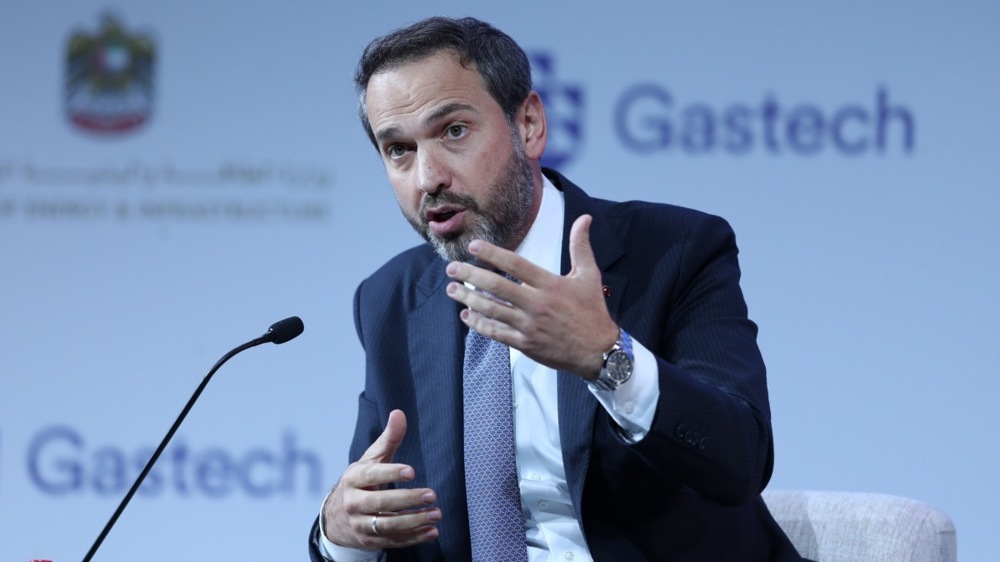
Turkey has extended by one year the terms of contracts for the import of Russian gas and at the same time plans investments in infrastructure in the United States to reduce supply-related risks, — Energy Minister Alparslan Bayraktar said.
Gas import volumes
Under current agreements with Gazprom the country is to receive about 22 billion cubic meters of gas by the end of the year. That amounts to less than 40% of Turkey's overall gas balance, whereas in 2018 the share exceeded 50%. Supplies are delivered via the Blue Stream and TurkStream pipelines.
LNG and investment plans
State-owned BOTAS has signed a number of long-term contracts for deliveries of liquefied natural gas, a significant portion of which is expected to come from the United States.
Bayraktar added that Ankara plans to invest in gas production capacity in the United States as protection against potential price increases for roughly 1,500 LNG cargoes that Turkey has committed to buy over the next 15 years. The deal could be signed as early as next month.
The government is also negotiating with Iran over a contract to import about 10 billion cubic meters of gas, which expires in July 2026, and is seeking to boost supplies from Turkmenistan, Bayraktar said.
This year Turkey signed a one-year agreement for 1.3 billion cubic meters with Turkmenistan, receiving the gas in transit through Iran.
- Leading Turkish refineries, which rank third in the world by volumes of Russian oil received, have started buying more oil from other sources after US sanctions on LUKOIL and Rosneft.
- Ankara is negotiating with Moscow to extend two key pipeline contracts for gas supplies.
- In November, imports of the Urals grade into Turkey fell by roughly one third compared with October.



