Turkey cut Urals imports by a third in November
In November Turkey cut purchases of Russian Urals oil by 100,000 barrels per day — to 200,000 bpd. Facing sanctions and a planned EU ban, the country is ramping up shipments of other grades but confronts logistical risks.

By Oleg Bazylewicz
December 1, 2025 · 2 min read
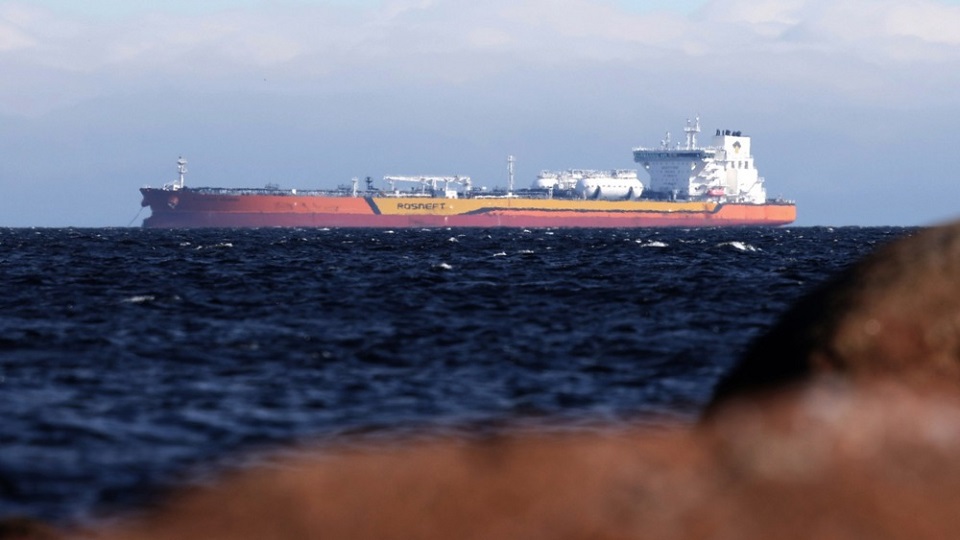
In November Turkish refineries cut imports of the Urals grade by roughly one third compared with October. This has been accompanied by a gradual shift by refineries to other types of feedstock.
Reduction in Urals imports
Estimates indicate deliveries of Urals to Turkey fell by about 100,000 barrels per day — to roughly 200,000 barrels per day in November. Since 2022, after several European countries turned away from Russian energy, Turkey has become one of the largest seaborne buyers of the grade, second only to India.
Impact of sanctions and diversification
The drop in imports is linked to US sanctions on certain Russian companies, which have reduced the number of suppliers with whom Turkish refineries can work. The EU's announced ban on fuel produced from Russian crude, due to take effect at the end of January 2026, is also prompting Turkish firms to seek alternative sources of feedstock.
In response, Turkey has increased purchases of other grades: Kazakhstan's CPC Blend and KEBCO, as well as Iraq's Basrah. In particular, CPC Blend imports in November reached about 105,000 barrels per day — the highest level since February 2024.
Infrastructure risks
Options for fully replacing Urals are limited: there is little crude on the Mediterranean market with characteristics close to Urals. CPC deliveries could be threatened after a strike on the Caspian Pipeline Consortium terminal in the port of Novorossiysk.
On November 29 the consortium operator reported a suspension of operations and the loss of one berth due to a drone attack; the terminal transports over 1% of global oil volumes. At the same time exports through the complex were not halted completely despite the berth damage.
- At the end of last week three tankers associated with transporting Russian oil suffered explosions at sea.
- On November 28, near the Turkish coast in the Black Sea, the vessels Kairos and Virat were nearly simultaneously damaged.
- It was later established that upgraded Sea Baby unmanned aerial vehicles were used against them; the operation was carried out by the 13th Main Directorate of Military Counterintelligence of the SBU together with the Ukrainian Navy.



