Foreign national detained in Kyiv with 4 kg of cocaine — authorities link the case to a transit route
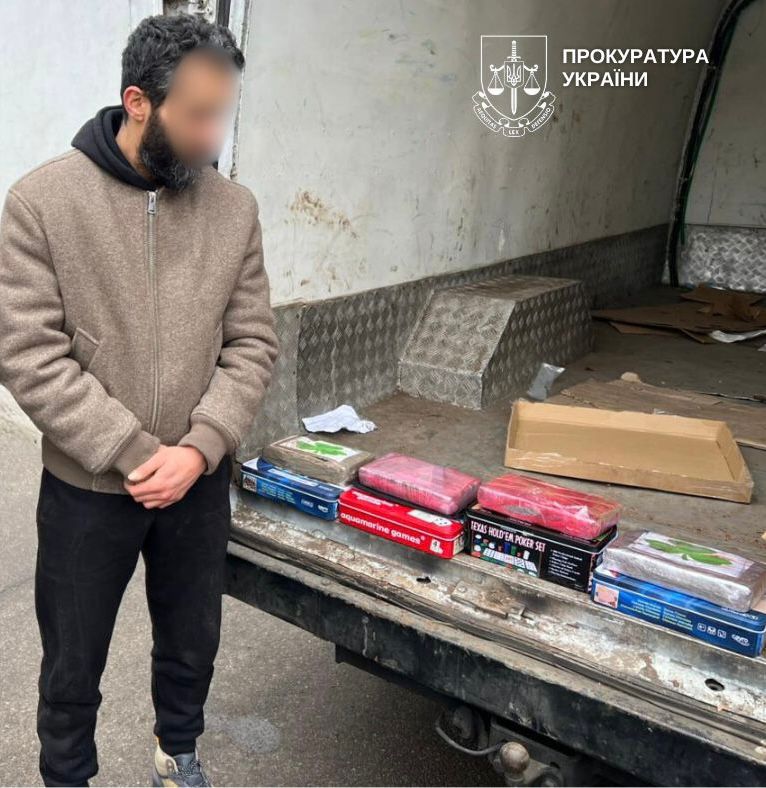
A 37-year-old Azerbaijani national was transporting cocaine worth nearly UAH 35 million in a rented minibus. The detention occurred amid the uncovering of a transnational supply channel — we examine why this matters for security and what comes next.

By Tetiana Suchkova-Ladik
January 8, 2026 · 2 min read
Briefly
In Kyiv, a 37-year-old Azerbaijani citizen was detained while transporting about 4 kilograms of cocaine. According to law enforcement estimates, the black-market value is nearly UAH 35 million. Source — the press service of the Kyiv City Prosecutor's Office and the Shevchenkivska District Prosecutor's Office.
Details of the detention
The man was transporting the drugs in boxes in a rented minibus. He has been notified of suspicion under Part 3 of Article 307 of the Criminal Code of Ukraine — illegal acquisition and transportation of cocaine in especially large amounts. The court imposed a preventive measure in the form of remand in custody.
"The man has been notified of suspicion of transporting cocaine in especially large amounts; the pretrial investigation is ongoing."
— Kyiv City Prosecutor's Office
The penalty under the article provides for imprisonment of up to 12 years — a real, proportionate response to operations involving large consignments.
Context: not an isolated incident
The detention coincides with the publication on January 2 of the results of an investigation by the State Bureau of Investigation, which announced the exposure of a transnational channel supplying cocaine from Europe to Ukraine. Law enforcement views these arrests as part of a broader network rather than an isolated incident.
Experts point to two key risks: first, the use of rented vehicles as a standard logistics scheme for criminal groups; second, possible ties to international suppliers and money-laundering networks. For this reason, such cases matter not only as criminal proceedings but as an element of national security.
What next?
Expected steps: intensification of investigative measures, verification of the detainee's links to the already exposed channel, and cooperation with international partners to cut off supply sources and financial flows. For the public, this is another signal of the need to strengthen control over vehicle rentals and transparency of financial operations.
The outcome of these investigations will show whether high-profile press releases will turn into systematic work that reduces the capacity of criminal channels. For now — the focus is on investigators and the court: whether they will be able to assemble a complete picture of the network and hold all those involved accountable.



