In Kyiv, water is being drained from heating systems after last night’s attack — a preventive measure to protect networks and homes
After a combined nighttime attack, power utility crews began draining water from building heating systems in districts where circulation of the heat carrier has stopped. This is a temporary technical measure intended to prevent widespread damage and prolonged outages — we explain what is happening and what residents should do.

By Tetiana Suchkova-Ladik
January 9, 2026 · 2 min read
What’s happening
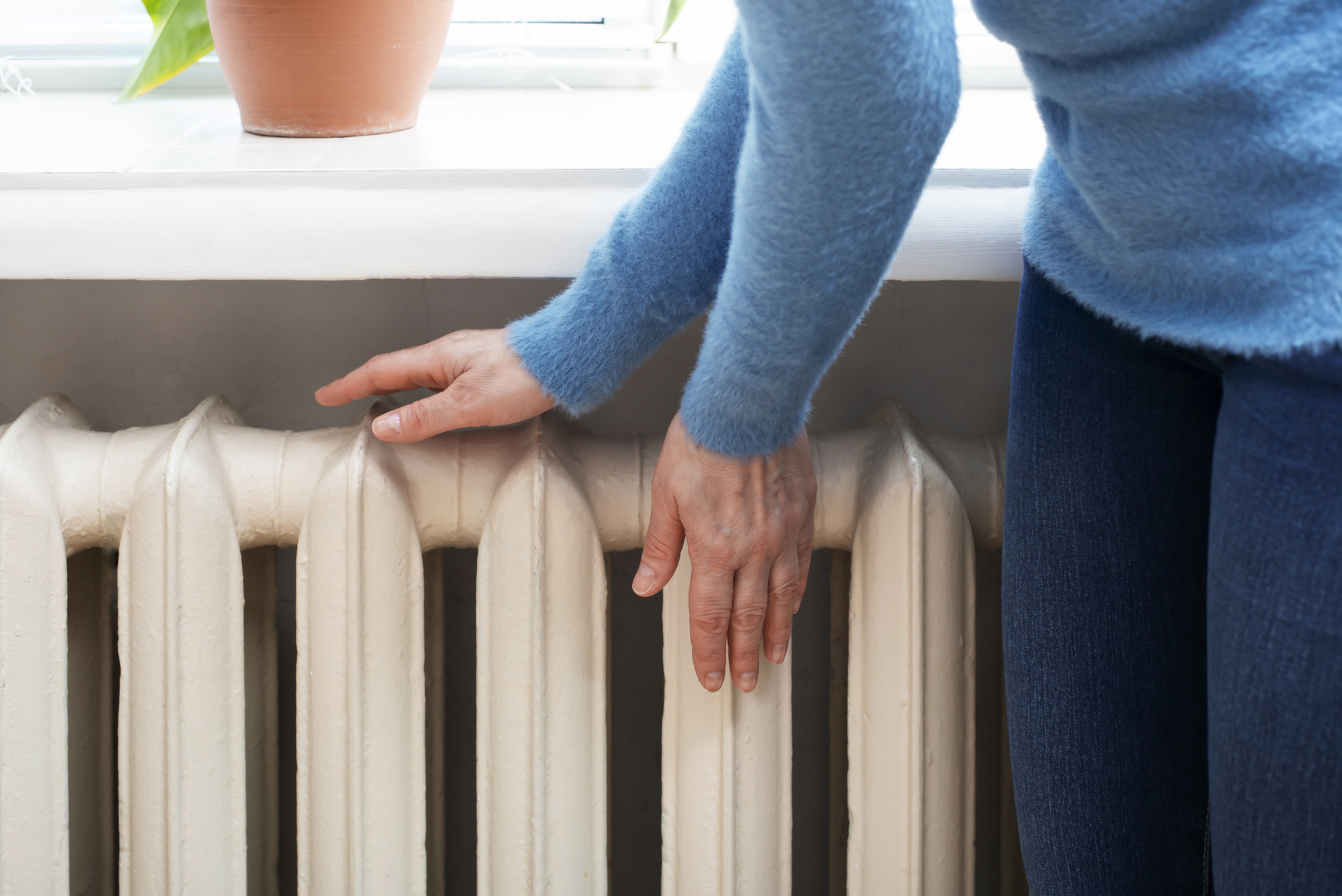
After a nighttime combined attack on Kyiv, which lasted about five hours and resulted in at least five deaths and more than 20 injured, circulation of the heating medium was temporarily stopped in part of the city. Kyiv City State Administration reported the start of draining water from building heating systems in those buildings where heat is absent.
"During emergencies in freezing weather, when circulation of the heating medium is temporarily interrupted, draining water from building heating systems is a required technical action. This prevents freezing and rupturing of pipes and equipment."
— Kyiv City State Administration
Why they’re doing this
Briefly: water freezes and expands at subzero temperatures. If it is not drained, ice can burst pipes, and repairs will then take much longer and cost more. This practice is not a new invention but a technical requirement set out in the Rules for the Technical Operation of Thermal Installations and Networks, which have applied in Ukraine for almost 20 years. A historical example is the 2006 accident in Alchevsk, when mass freezing of networks without draining left many buildings without heating for a long time.
Where and when to expect restoration
According to a LIGA.net source in the Cabinet of Ministers, Darnytska CHP has already restored circulation of the heating medium, while repairs are ongoing at CHP-5 and CHP-6 with an estimated restoration time of 1–2 days. Mayor Vitali Klitschko urged those who can to temporarily relocate to warmer places.
"After the strike, about half of the houses in Kyiv were temporarily left without heating. We are doing everything to restore the supply of the heating medium as quickly as possible."
— Vitali Klitschko, mayor of Kyiv
What residents should know and do
- Follow official channels of the Kyiv City State Administration and messages from housing maintenance offices — they provide schedules for work on specific buildings. - If water is being drained in your building, this is a precautionary measure, not a sign of a permanent shutdown. - If possible, consider temporary accommodation with relatives or at heating centers, especially for the elderly and children. - After circulation is restored, be prepared for gradual refilling of systems — this is done in stages to avoid additional hydraulic stress.
Context and conclusion
Technical steps like draining water are often absent from headlines, but they are what protect homes and infrastructure from worse consequences. If repair crews work promptly, large-scale and long-lasting failures can be avoided; if restoration is delayed, the city will face the need for greater investment in network repairs. For now, the key is cooperation between authorities, energy workers, and the community so that temporary inconveniences do not turn into long-term losses.



