Strike on the ports of Pivdennyi and Chornomorsk: storage tanks and a grain ship damaged — what it means for Ukraine's logistics
Russia struck key port hubs in the Odesa region. We explain exactly what was damaged, the consequences for exports and energy supply, and how the country is adapting its logistics.

By Tetiana Suchkova-Ladik
December 30, 2025 · 2 min read
What happened
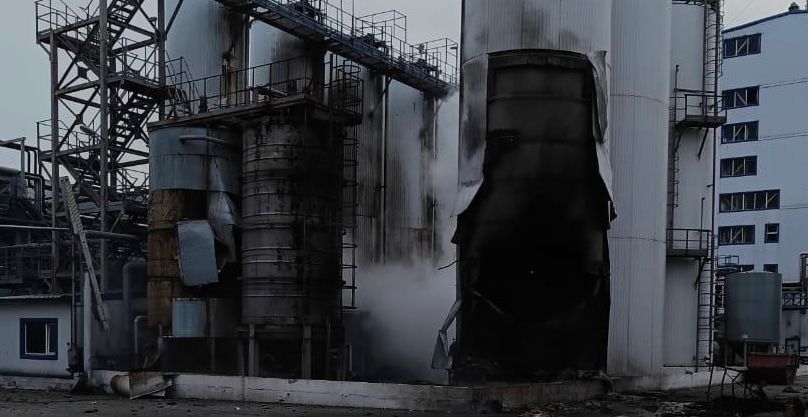
On 30 December Russian forces struck the ports of Pivdennyi and Chornomorsk. According to Deputy Prime Minister Oleksii Kuleba, the strike damaged oil storage tanks at one industrial enterprise and a civilian grain vessel flying the flag of Panama that was in the port. One person was injured.
"Storage tanks for oil at one of the industrial enterprises were damaged. Also a civilian grain vessel flying the flag of Panama that was in the port sustained damage," he said of the consequences.
— Oleksii Kuleba, Deputy Prime Minister, Minister for the Development of Communities and Territories
Why it matters
Attacks on port infrastructure are part of a strategy aimed at complicating Ukrainian logistics and exports. For every Ukrainian, this is a question of supply security, price stability and inflows of foreign currency from the export of grain and other agricultural products.
Context: systematic strikes on the Odesa region
Russia has recently been deliberately targeting the region's energy and port infrastructure. On 26 December a massive strike on logistics was recorded, damaging three vessels. On Christmas night an attack on port and industrial infrastructure in Odesa region resulted in one death and two injuries. Earlier, on the night of 22 December, a strike on the largest port north of Odesa caused 30 storage tanks containing flour and oil to catch fire.
Consequences and what's being done next
The consequences are both direct (damage to warehouses, ships, injuries) and indirect: rising insurance premiums, complications for export routes and risks to energy storage. However, two important trends are already visible: port infrastructure remains operational, and logistical chains are adapting by redirecting ships and strengthening air defenses around key hubs.
Experts in maritime security and logistics emphasize that a long-term solution depends on international support — from insurance mechanisms to strengthening anti-ship and air defenses for ports and their approaches.
Conclusion
This strike is part of systemic pressure on the Ukrainian economy. At the same time, the actual response must be not only criticism but concrete steps: strengthening the protection of infrastructure, diversifying export routes and accelerating international support. Whether partners are ready to turn declarations into practical solutions is the key question for the coming weeks.



