$40 Billion Deal Collapses: Why the Market Celebrated the Failure of Estée Lauder and Puig Merger
Estée Lauder shares surged 10% after the company announced the end of merger negotiations — the market viewed the rejection of the deal as a relief rather than a loss.

By Oleg Bazylewicz
May 22, 2026 · 2 min read
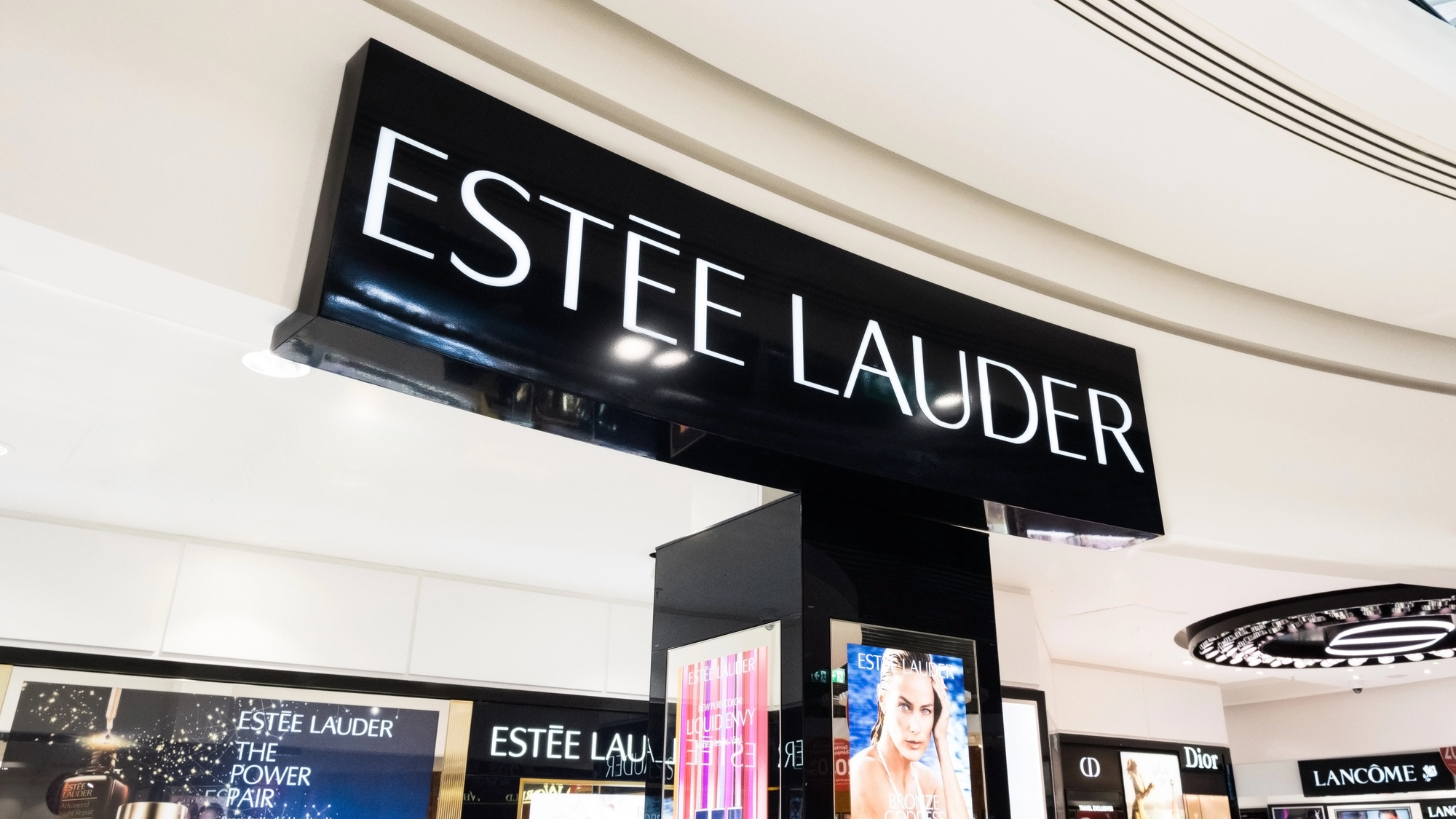
On May 21, Estée Lauder and Spanish Puig announced the end of negotiations over a merger that could have created a cosmetics giant worth $40 billion. Official statements were polite and hollow. But market reaction said more than press releases.
What was supposed to happen
Negotiations first became public on March 23. The merger would have created the world's largest player in the premium beauty segment with combined sales exceeding $20 billion. Under unified management would have been Carolina Herrera, Paco Rabanne, Charlotte Tilbury from Puig's side — and Clinique, La Mer, MAC, Tom Ford Beauty from Estée Lauder's side.
Official reason: strategy. Real reason — more complex
In a statement, Estée Lauder CEO Stéphane de La Faverie formulated the refusal through his own strategy:
"We reaffirm our confidence in the strength of our brands and our ability as an independent company. The Beauty Reimagined strategy is in full swing and delivering positive results"
Stéphane de La Faverie, CEO Estée Lauder Companies, press release May 21
Puig stated in its statement that "the companies did not reach an agreement on potential merger," and emphasized its unchanged course.
However, behind the scenes, according to Spanish publication Expansión, one of the main obstacles was the position of Charlotte Tilbury brand founder: she allegedly sought to renegotiate the terms of her contract with Puig — in particular the earn-out structure and compensation — and potentially leave the company before the agreed 2031 date.
The market voted with its feet — in opposite directions
Estée Lauder shares rose more than 10% in after-hours trading on Thursday. Meanwhile, Puig shares expectedly fell 10–12% at Friday's opening — the deal collapse removed the premium for potential merger from the stocks.
J.P. Morgan noted that investor attention would now return to Puig's operational results amid slowing growth in the perfume segment and pressure on Middle Eastern and travel retail markets.
What this means for both
For Estée Lauder, the break is a signal: the market believes more in the company's independent recovery after several difficult quarters than in mega-merger synergy. According to analysts, the failed negotiations will complicate Puig's search for a new partner for a major deal.
Puig emphasizes that it "maintains full focus on executing its strategy and achieving profitable growth." However, the company emerged from negotiations with reputational issues: a public pause in talks due to one brand's position in the portfolio — this is not the signal that strengthens confidence before the next M&A round.
If Puig does not resolve the Charlotte Tilbury issue — contract terms, earn-out, exit horizon — any potential future partner will hit the same wall. Is the company ready to settle this publicly, or will it wait again for details to appear in Spanish press?



