Ukrposhta terminates contract with Rikky Hype — reaction to scandal and a test of public trust in state brands
The State Postal Service has abandoned the "Love Mail" project after promotional photos provoked public outcry. We explain why this decision matters not only for the brand but for the institution’s reputation in wartime.

By Tetiana Suchkova-Ladik
February 10, 2026 · 2 min read
What happened
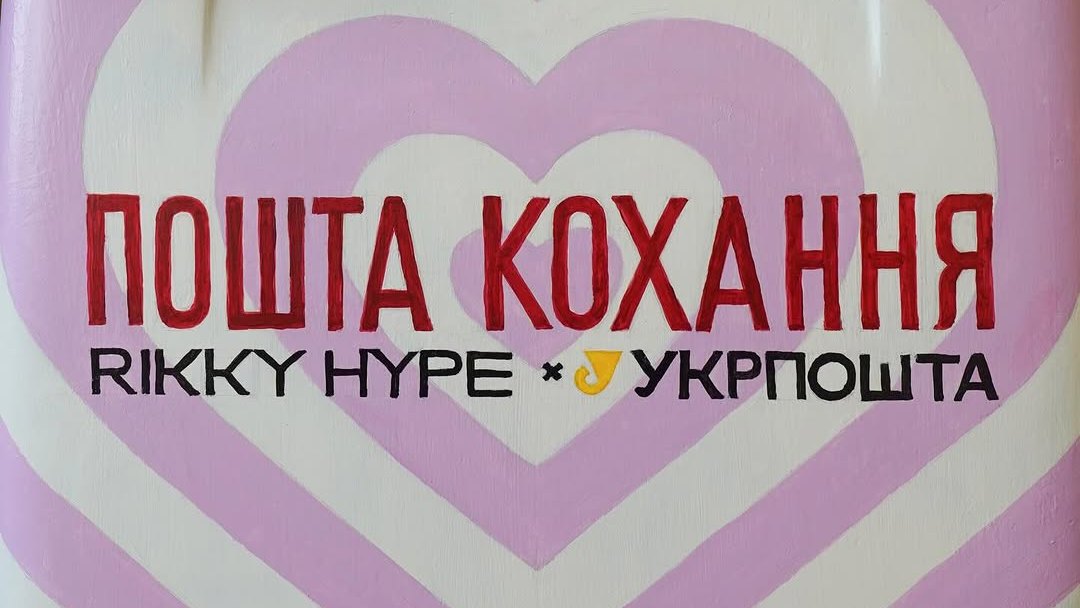
On February 6, Ukrposhta and the brand Rikky Hype presented a joint project “Love Mail” for February 14: stores were to install boxes for valentines with exclusive stamps and envelopes. The advertising campaign was shot in a school setting — one photograph, in which a model in a miniskirt stands by a blackboard, sparked an outcry on social media.
Timeline of reactions
At first, the CEO of Ukrposhta, Ihor Smiliansky, defended the collaboration, calling the criticism hypocritical. A few days later, on February 10, the position changed: the cooperation with the brand was terminated. Earlier, on February 2, the company had already faced criticism after changing its logo.
Context and why it matters
This is not just about a single advertising photo. The state brand bears heightened responsibility for the messages and images it distributes, especially during wartime, when society is vulnerable and exhausted. Displaying sensitive themes without thorough expert review risks undermining trust in the institution and increasing social tension.
Decision and management’s reasoning
"Cooperation with the clothing brand has been suspended as of today. That does not mean we won’t cooperate with this or other youth brands in the future, because we definitely plan to expand our target audience."
— Ihor Smiliansky, CEO of Ukrposhta
"Society is terribly exhausted by the war, [which] spills over into aggression on social media as the most accessible way to let off steam."
— Ihor Smiliansky, Facebook post
Smiliansky also called the publication "insensitive" and said the decision was made after consultations with experts. He apologized to those for whom the content became a painful reminder of the issue.
Analysis: what this means for brands and public institutions
This case is a reminder of three facts: first, reputational risks for public institutions increase in times of crisis; second, social media quickly shapes public discourse and can both discredit and accelerate correction of mistakes; third, clear rules for verifying creative solutions and independent expert assessment are needed, especially regarding images that may touch on issues of age or exploitation.
What’s next
Predictably, partners and brands will now demand a more transparent content-review process in state projects. Ukrposhta should formalize standard procedures for review and communication to justify citizens’ trust. For the public, this is a signal: there was a reaction, but the question is whether it will be enough for systemic change.
Brief outlook: one incident will not destroy a reputation, but it will increase the demand for content control. The next step for the institution is to implement transparent rules for cooperation with creative partners and involve relevant specialists in risk assessment.
Final
Terminating the contract is a responsible response to public demand. But the most important thing now is not only to react, but to establish procedures that will prevent similar mistakes from recurring. Whether these measures will become systemic is a question for management and public oversight.



