Ukrposhta sold the sorting center in Lviv on its second attempt — investor "Arsen" won. What's next for the city?
The sale shows how the state and major private players are reshaping urban property: who paid, what the risks are to historic buildings, and why this matters now.

By Tetiana Suchkova-Ladik
March 26, 2026 · 2 min read
What happened
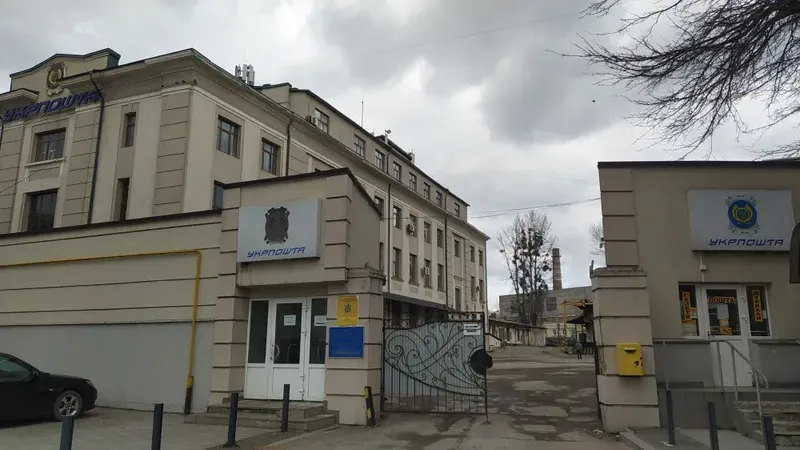
On March 26, JSC «Ukrposhta» held a second auction and sold the old sorting center near the railway station in Lviv. The winner was the Closed Non‑Diversified Venture Corporate Investment Fund “Eurotek Invest”, whose beneficiary is Mykhailo Veselskyi — owner of the “Arsen” supermarket chain. Information — according to Prozorro.Sales.
Figures and competitors
The starting price of the lot was UAH 330 million. “Eurotek Invest” won the bid with an offer of UAH 461.5 million; the only competitor — City Estate Management LLC from the BGV group (Gennadiy Butkevych) — offered UAH 16.5 million less. Reminder: at the first auction another company from the BGV group — “Power Place” — won, but that result was canceled due to a technical error.
Why this matters for Lviv
The 1920s building of about 5,600 sq. m, located directly by the station, lost its logistical significance after the opening of Ukrposhta’s new automated hub on the outskirts of Lviv in 2024. The sale is part of a broader process: state companies are divesting surplus assets while private investors put money into central urban plots. This creates an opportunity for revitalization, but also raises questions about preserving architectural heritage and maintaining accessible infrastructure.
Context and consequences
From an economic perspective, the sale price reflects pressure on central land and building assets as investors seek highly liquid projects. For the community, the key issue is how the contract will be structured: whether it will include conditions for preserving facades, public access, and transport links. Urban planners and the real estate market note that a successful transformation is possible only with a clear combination of investment attractiveness and public oversight.
“I underestimated parcel lockers as a technology; without modern sorting centers, robotization would have been impossible.”
— Ihor Smilianskyi, CEO of JSC «Ukrposhta» (interview with LIGA.net, November 2025)
What’s next
In the near term, attention should focus on two things: Eurotek Invest’s reconstruction plans and the terms of the sale as recorded in the purchase agreement. For Lviv residents it is important that investments do not lead to the closure of public space or the loss of architectural value near the station. This is an example of how state assets and private capital shape the new city — the issue is in the details, not in generalities.



