UPG has taken 563 ANP and Avias gas stations under management — reconstruction will require UAH 200–250 million
UPG has taken over 563 sites of the former “Privat” group, has reopened 190, and plans to restore all of them by the end of 2026. Why is this important for fuel availability and what risks does such a large-scale reconstruction pose?

By Tetiana Suchkova-Ladik
March 24, 2026 · 2 min read
In numbers: scale and plan
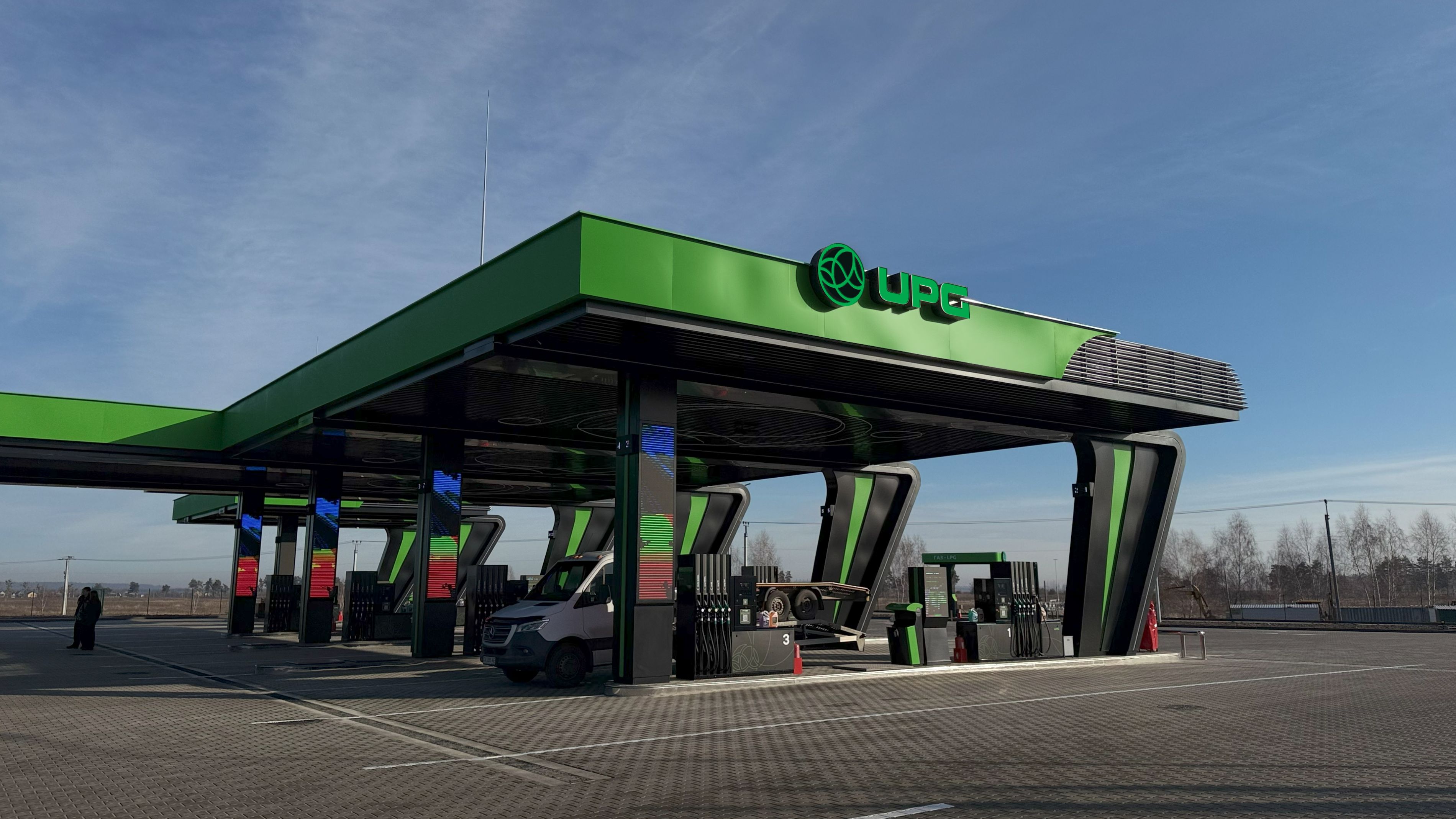
The UPG network has taken 563 filling stations into management that previously operated under the ANP and Avias brands. Of these, the company purchased 25 stations and leased the rest. In an interview with LIGA.net, UPG founder Volodymyr Petrenko said that 190 sites are currently open, and they plan to reconstruct and launch all 563 by the end of 2026. Restoration will require at least UAH 200–250 million.
Why this matters for consumers and regions
The network’s expansion is not just a business move. Greater geographic presence means better access to fuel in the regions, stabilized logistics, and jobs. At the same time, this is a large capital project: building a single new station "in UPG style" costs about $5 million, and reconstructing the old ANP and Avias stations is cheaper, but on the scale of hundreds of sites the total remains substantial.
Energy backdrop and price logic
Petrenko explains that global risks affect margins: due to escalation in the Middle East and the temporary closure of the Strait of Hormuz, UPG sometimes sells diesel at a negative margin, which is reflected in price fluctuations in Ukraine. Such an external shock changes short‑term price dynamics but does not remove the strategic need to restore the network.
"Probably this year we will stop leasing new stations"
— Volodymyr Petrenko, founder of UPG (interview with LIGA.net)
"Our priority is to continue building our own large leisure complexes... Commissioning newly built and managed gas stations will allow the company to become the largest in Ukraine by number of sites within three months"
— Volodymyr Petrenko, founder of UPG (interview with LIGA.net)
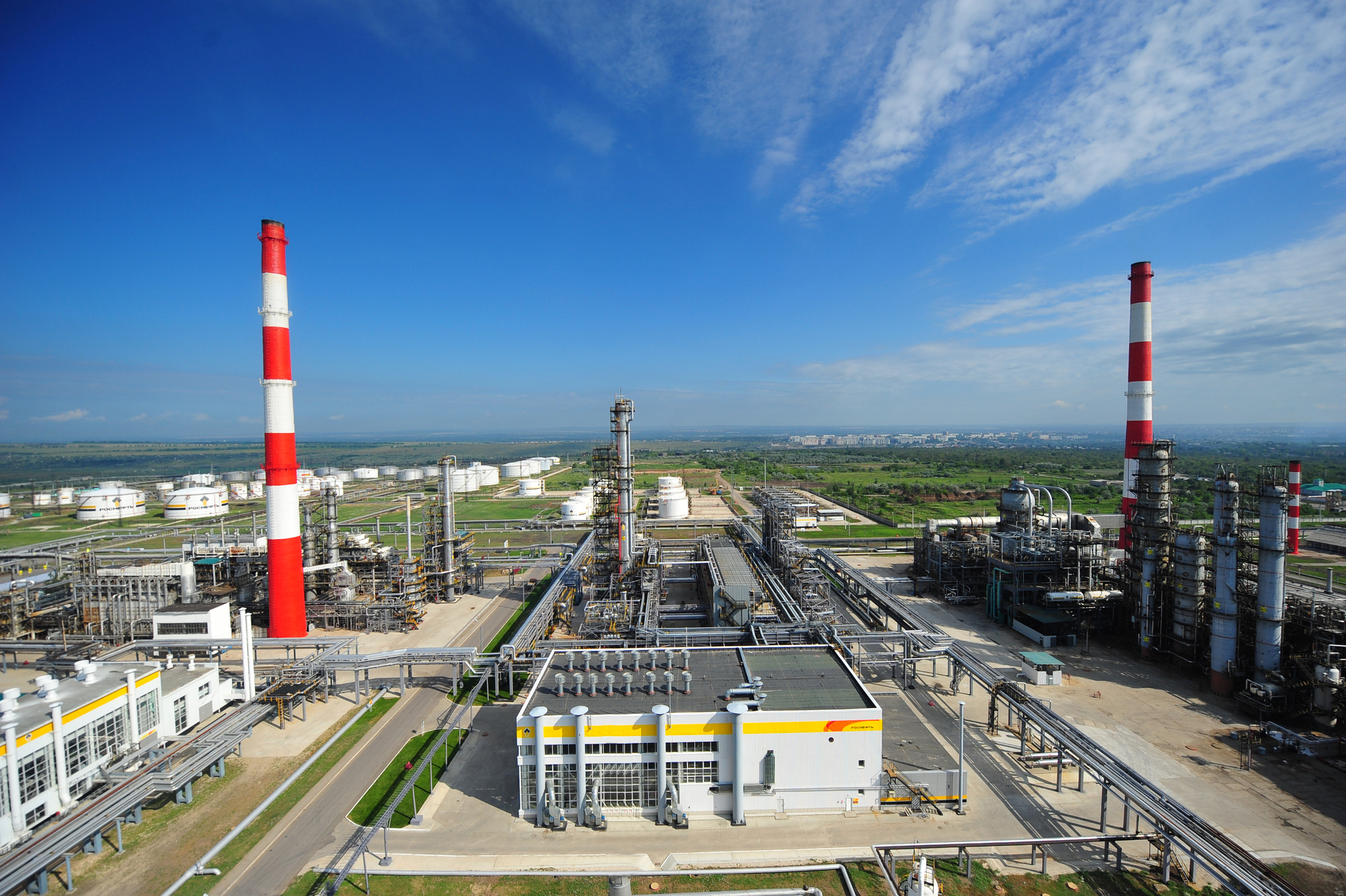
For context: before the full‑scale invasion, the network associated with the Privat Group was one of the largest in Ukraine. After the nationalization of the Kremenchuk oil refinery and the fragmentation of the network, some sites ended up under the control of other operators — and UPG took advantage of this by taking the network into management.
Conclusion: UPG’s move is both an opportunity and a burden. The network can improve fuel accessibility in the regions and strengthen infrastructure, but this requires significant investments and stable supply chains. The question for the state and the market is whether conditions will be created so that these investments pay off without undue pressure on consumers?