"Ukrzaliznytsia Without Wagons — AMKR Without Ore: How Logistics Failure Halted Ukraine's Largest Steel Plant"
ArcelorMittal Kryvyi Rih has halted a blast furnace, two sinter machines, and iron ore mining due to the absence of trains from Ukrainian Railways. CEO Mauro Longobardo had warned of this risk back in 2024 — and it has come to pass.

By Tetiana Suchkova-Ladik
May 6, 2026 · 3 min read
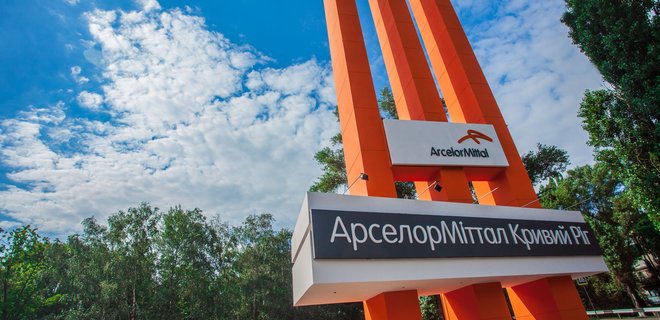
On Wednesday, ArcelorMittal Kryvyi Rih (AMKR) announced a halt in part of its production. The reason — not a rocket strike and not a power station malfunction. The Ukrainian Railways simply didn't provide wagons.
What stopped and why it's not a minor issue
The plant shut down one of its two blast furnaces, two sinter machines, one ore enrichment plant, and completely halted ore extraction in its mining department. The official reason — systemic disruptions in the supply of fluxes (limestone) by rail and the absence of trains for removing finished products.
Fluxes are not an auxiliary material. Without limestone, a blast furnace cannot produce cast iron: it binds waste rock and removes it as slag. The shutdown of one furnace is not "partial production reduction," it is a rupture of the technological chain from the mine to the rolling mill.
"This logistics is killing me, and perhaps I will again be unable to achieve my goal — profitability"
— AMKR CEO Mauro Longobardo, Interfax Ukraine interview, late 2024
Beryslav as the weak link
AMKR's main limestone deposit is in Beryslav in Kherson region. The enterprise is located on Ukrainian-controlled territory, but operates only a few months per year: accumulating reserves, then transporting them to Kryvyi Rih. Logistics entirely depends on Ukrainian Railways. If there are no wagons — supplies run out, and the furnace stops.
Longobardo explained back in late 2024 that this very scheme makes the plant vulnerable: production is designed for continuous supply, but Ukrainian Railways provides it discretely. In winter, the situation was exacerbated by expensive electricity; in summer — by a shortage of rolling stock.
Context: accumulating losses
AMKR ended 2024 with a loss. According to the CEO, electricity accounted for 70% of total losses. The 2025 goal is to at least break even while producing 2.5–2.6 million tons of steel (versus pre-war 6+ million). The current shutdown directly impacts this plan: each day of furnace downtime — a loss of approximately 2–3 thousand tons of cast iron.
- Before the shutdown, the plant operated on two blast furnaces — for the first time in a long while;
- Blast Furnace No. 9 — the largest in Europe (5034 m³), its shutdown is particularly painful technologically;
- Restart after shutdown ("blow-in") takes up to two weeks and costs significant resources.
Why "fatal" is not rhetoric
The CEO called the new problem potentially fatal for the enterprise. This is strong language for a company with billions of dollars in revenue — but it fits the logic of previous statements. AMKR receives support from its parent group ArcelorMittal, however, the corporation will not sustain a loss-making asset indefinitely, especially given the uncertainty about the war's duration.
AMKR employs approximately 25,000 people — essentially one in five jobs in Kryvyi Rih. Closure or significant reduction of the plant would mean a social blow that the city, in wartime conditions, would hardly withstand without consequences.
If Ukrainian Railways does not restore stable supply of wagons and fluxes within the coming weeks, AMKR may face a choice: mothball the second furnace or engage in direct conflict with the state over priority in rolling stock allocation. Does the Cabinet of Ministers have a mechanism to force Ukrainian Railways to meet its obligations to strategic enterprises — or does this remain a matter of negotiations without guarantees?



