Ukrainian Railways Needs 100 Electric Locomotives, but Only 55 Contracted So Far — and Not Until 2027
While the Ministry of Development negotiates with Berlin on new supplies, the first real contract — with French Alstom — covers half the need and operates without any acceleration mechanism against attacks.

By Tetiana Suchkova-Ladik
May 7, 2026 · 2 min read
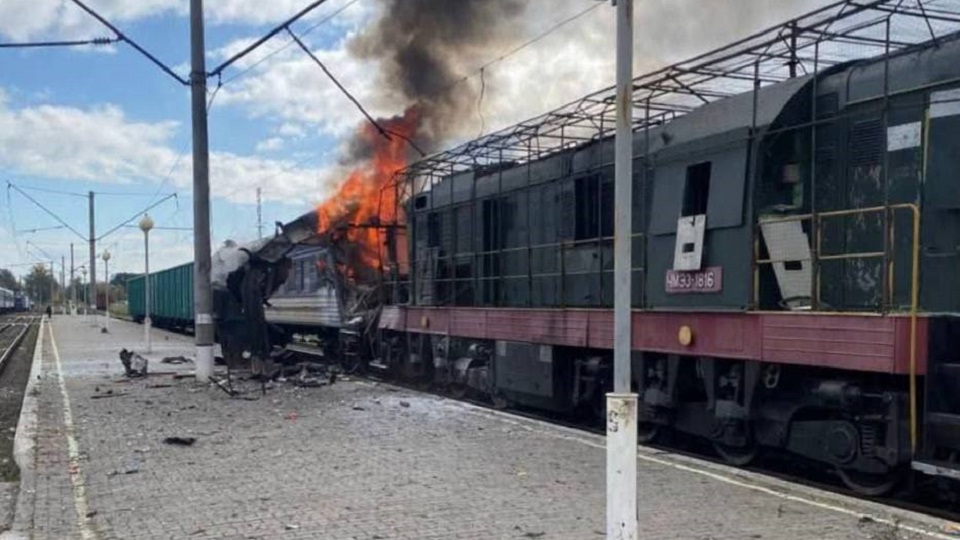
Over three years of full-scale war, Ukrzaliznytsia lost 209 locomotives to Russian attacks — and this is only the official figure for 2025 and the first quarter of 2026. Before the war, in April 2021, the fleet operated at full capacity. Now, according to Vice Prime Minister Oleksiy Kuleba, at least 100 freight and passenger electric locomotives are needed for stable operations.
What has already been signed — and when it will actually arrive
In November 2025, French Alstom and Ukrzaliznytsia signed a contract for 55 dual-system Alstom UA8AC electric locomotives valued at 473 million euros. Deliveries are scheduled for 2027–2029. Ukrainian enterprises from seven regions are involved in production, which is a rare example of localization amid active combat operations.
Simple arithmetic: even if the contract is fulfilled on time, it will cover only 55% of the stated need — and only two years after signing.
What was discussed with Berlin
Kuleba's meeting with Germany's Federal Minister of Transport Patrick Schneider touched on three issues: updating rolling stock, technical cooperation in the railway sector, and financing mechanisms for new purchases. No specific agreements were announced following the meeting.
"Today, Ukrzaliznytsia needs approximately 100 freight and passenger electric locomotives to ensure stable logistics, exports, passenger and evacuation transportation."
Oleksiy Kuleba, Vice Prime Minister for Recovery
In parallel, Austria is discussing the transfer of nine used Siemens Velaro high-speed electric trains — but this is the passenger segment, while the freight sector remains critical.
Scale of destruction — and the gap between need and financing
According to RDNA5, total losses in Ukraine's transport sector reached 40.3 billion dollars, and recovery needs for the next decade exceed 96 billion. In 2025 alone, the railway suffered about 800 attacks — with losses amounting to 1 billion dollars per year. Meanwhile, available financing for priority 2026 projects stands at 5.8 billion dollars against a deficit of 9.5 billion.
Ukrzaliznytsia received 66 new cars in 2025 — and simultaneously lost 60 to combat operations. In other words, net fleet growth for the year: 6 units.
Where the real problem lies
The electric locomotive shortage is not just a money issue. UZ had already announced a tender for dual-current freight electric locomotives using MFI funds, but results have not yet been disclosed. The Alstom contract was signed without a public compensation mechanism in case of new large-scale attacks on infrastructure during the delivery period.
If the pace of railway attacks remains at 2025 levels, by the time the first Alstom locomotives arrive in 2027, UZ could lose another 80–100 units of rolling stock — effectively creating a cycle. The question for negotiations with Berlin: was an accelerated delivery timeline or an insurance mechanism in case of new destruction discussed — no public answer has been provided yet.



