Ukrzaliznytsia changed Kharkiv–Lviv train schedule — arrivals in Vinnytsia, Khmelnytskyi and Ternopil now fall outside curfew
Changes take effect on February 17: the new schedule reduces the risk of passengers having to spend the night on platforms during the curfew and provides convenient connections for residents of Kharkiv region and central Ukraine.

By Tetiana Suchkova-Ladik
February 17, 2026 · 2 min read
What happened
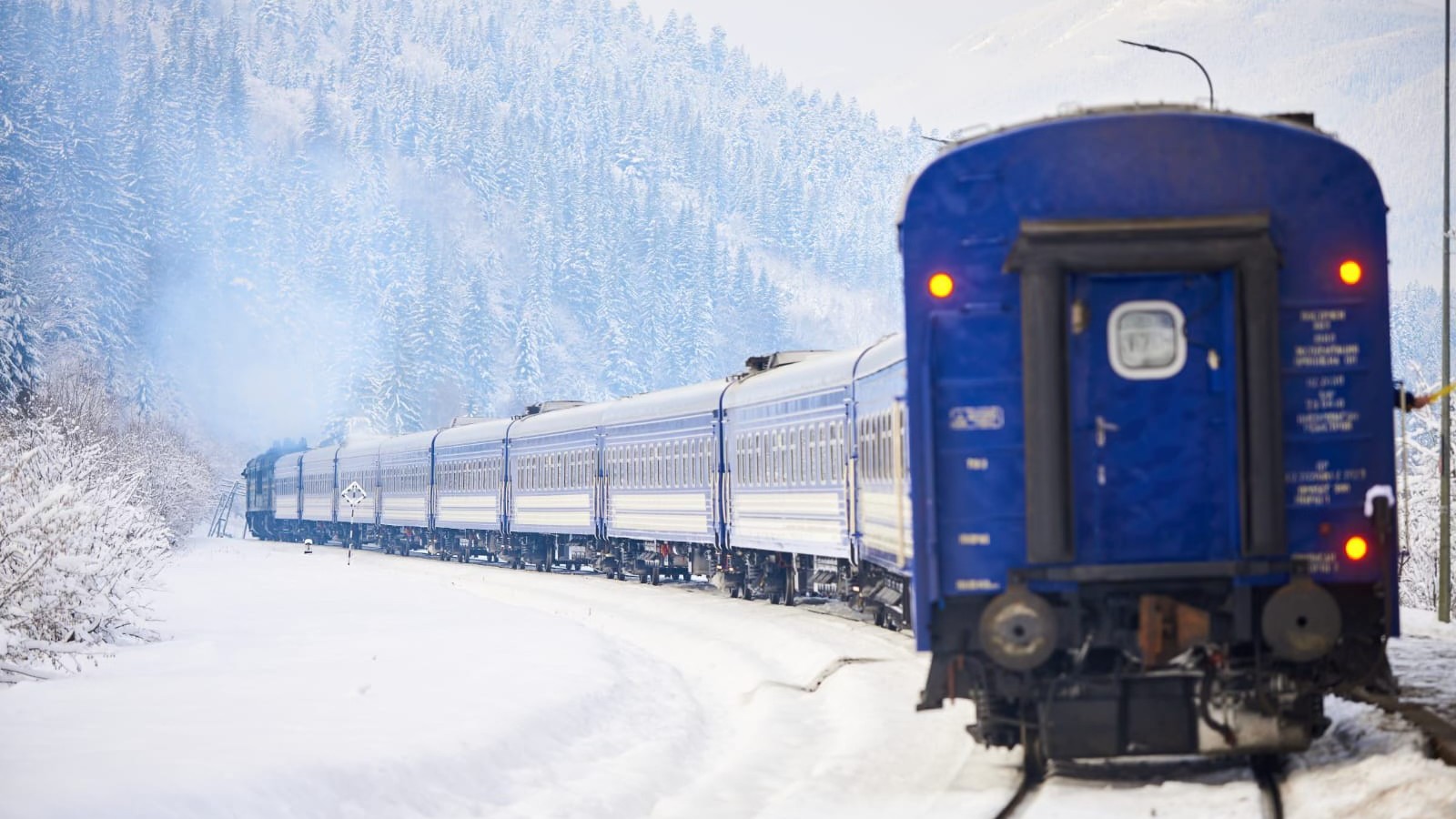
Ukrzaliznytsia has updated the schedule for train No. 21/22 Kharkiv — Lviv. The changes take effect from February 17 and are aimed at ensuring passengers arrive in several key cities outside curfew hours.
New timetable (from February 17)
- Departure from Kharkiv — 19:26 (was 14:27)
- Arrival in Vinnytsia — 5:40 (was 00:54)
- Arrival in Khmelnytskyi — 7:32 (was 2:42)
- Arrival in Ternopil — 9:14 (was 4:35)
Who benefits
The main benefit is safety and convenience. Travel that previously ended in the middle of the curfew will now occur in the morning hours, when public transport is operating and it is safer to get to the destination. This is important for ordinary passengers, internally displaced people, and those traveling on business or commuting to work.
Connections and regional logistics
Ukrzaliznytsia says the new schedule has been coordinated with local suburban trains — this will provide convenient connections for residents of Kharkiv Oblast and the central region. In particular, they mention trains No. 6430 Izium — Kharkiv (arrival at 17:21) and No. 6023 Slatyne — Kharkiv (arrival at 18:12).
"In addition, there will be a convenient opportunity to travel from Kharkiv to Kamianets-Podilskyi with a transfer in Khmelnytskyi to suburban train No. 6383/6384 Khmelnytskyi – Larga, which departs Khmelnytskyi at 8:05 and arrives in Kamianets-Podilskyi at 11:40."
— Ukrzaliznytsia press service
"The new schedule will allow passengers to arrive in Vinnytsia, Khmelnytskyi and Ternopil not during curfew hours."
— Ukrzaliznytsia press service
Economic effect and fares
At the same time, Ukrzaliznytsia plans to introduce dynamic pricing for SV and first-class Intercity tickets: fares will depend on the season, day of departure, date of purchase and train occupancy. For passengers this means — those who book early and plan their trip can save; last-minute purchases may be more expensive.
Conclusion
This is an example of the transport network quickly adapting to safety realities and people's needs. The changes not only increase travel comfort — they reduce risks, improve connections with local transport and send a signal: the railway is set on maintaining stable internal movement during the war. Whether other routes will follow the same approach depends on demand and further decisions by Ukrzaliznytsia; in the meantime, it's worth planning trips in advance and checking the current schedule on Ukrzaliznytsia's official website.



