Vienna court definitively rejects Dmytro Firtash's extradition
After more than eleven years of court proceedings in Austria, the U.S. request to extradite a businessman was definitively rejected; the case was complicated by a procedural error and a missed appeal deadline.

By Tetiana Suchkova-Ladik
December 10, 2025 · 1 min read
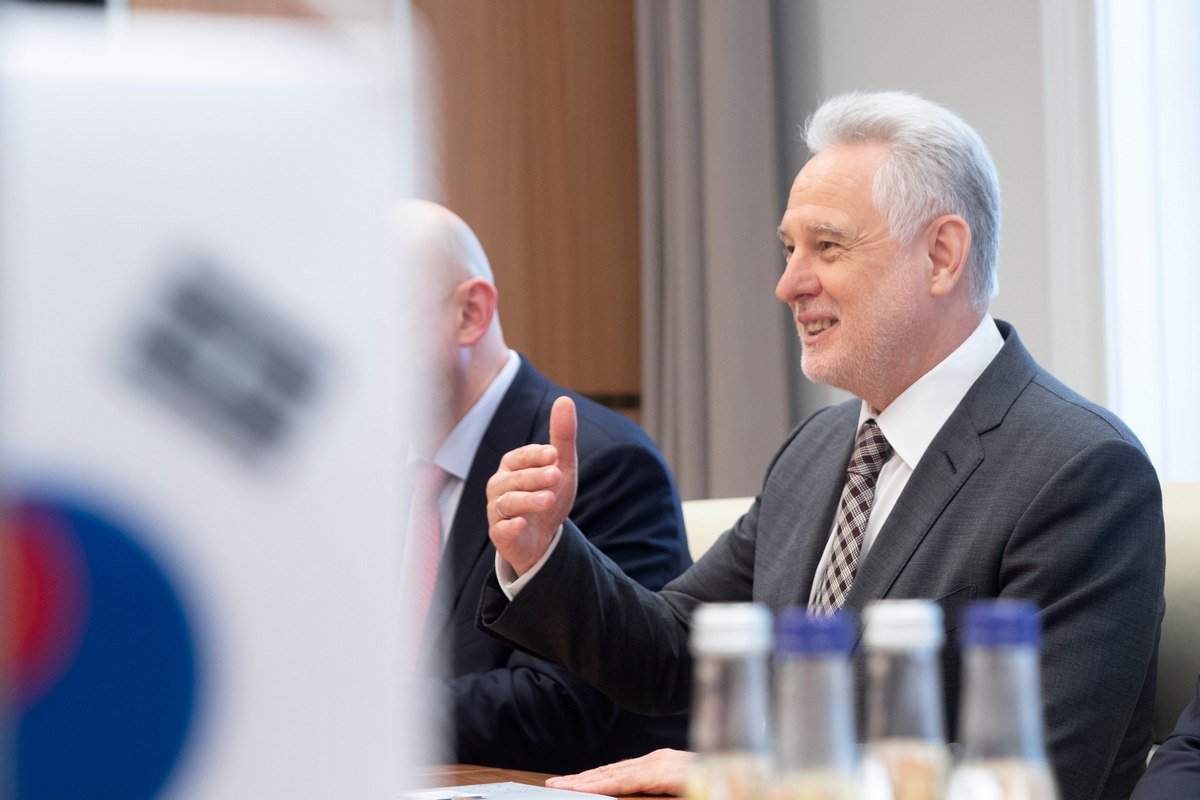
An Austrian court has finally refused to hand over Ukrainian businessman Dmytro Firtash to US law enforcement after more than eleven years of legal disputes. During the process Firtash posted bail in a record amount of €125 million.
Court decision
The prosecution's appeal was dismissed
– Vienna Higher Regional Court
The Vienna Higher Regional Court confirmed that the lower court's ruling, which prohibited extradition to the United States, is final. The court cited formal grounds and the fact that the prosecution missed the deadline for filing an appeal as the basis for its decision.
Background of the arrest
Firtash was arrested in Austria in March 2014 at the request of prosecutors from Chicago. The United States accuses him of orchestrating a conspiracy to pay $18.5 million to Indian officials to facilitate a $500 million titanium investment.
Until 2019 the businessman appealed the decision in all Austrian instances and at that time was unable to stop the extradition procedure. In July 2019 the Austrian minister of justice approved Firtash's transfer to US authorities, but immediate extradition did not occur due to a defense motion for reconsideration, after which the Vienna District Criminal Court suspended the procedure.
Business activities and sanctions
Firtash denies the charges and says the prosecution is political and aimed at influencing the situation in Ukraine. After posting bail in 2014 he moved his business to Vienna and resides in Austria.
He built his fortune largely through gas trading, including deals with Russian Gazprom. After the collapse of the USSR he expanded operations into the chemical industry and television manufacturing and was considered one of Ukraine's influential businessmen.
- Ukraine imposed sanctions against Firtash in 2021 over suspicions that he supplied titanium to weapons manufacturers in Russia.
- The United Kingdom imposed sanctions on him in 2024.



