Owner of "Vyrij Industry" bought 75% of "Babel" — what it means for independent media
Oleksiy Babenko has acquired a controlling stake in Babel. This is not just a change of owner — it is a test of editorial independence and a signal to the media market. We examine the risks and opportunities of this deal.

By Tetiana Suchkova-Ladik
February 26, 2026 · 2 min read
A quiet but important change in the ownership of an online outlet
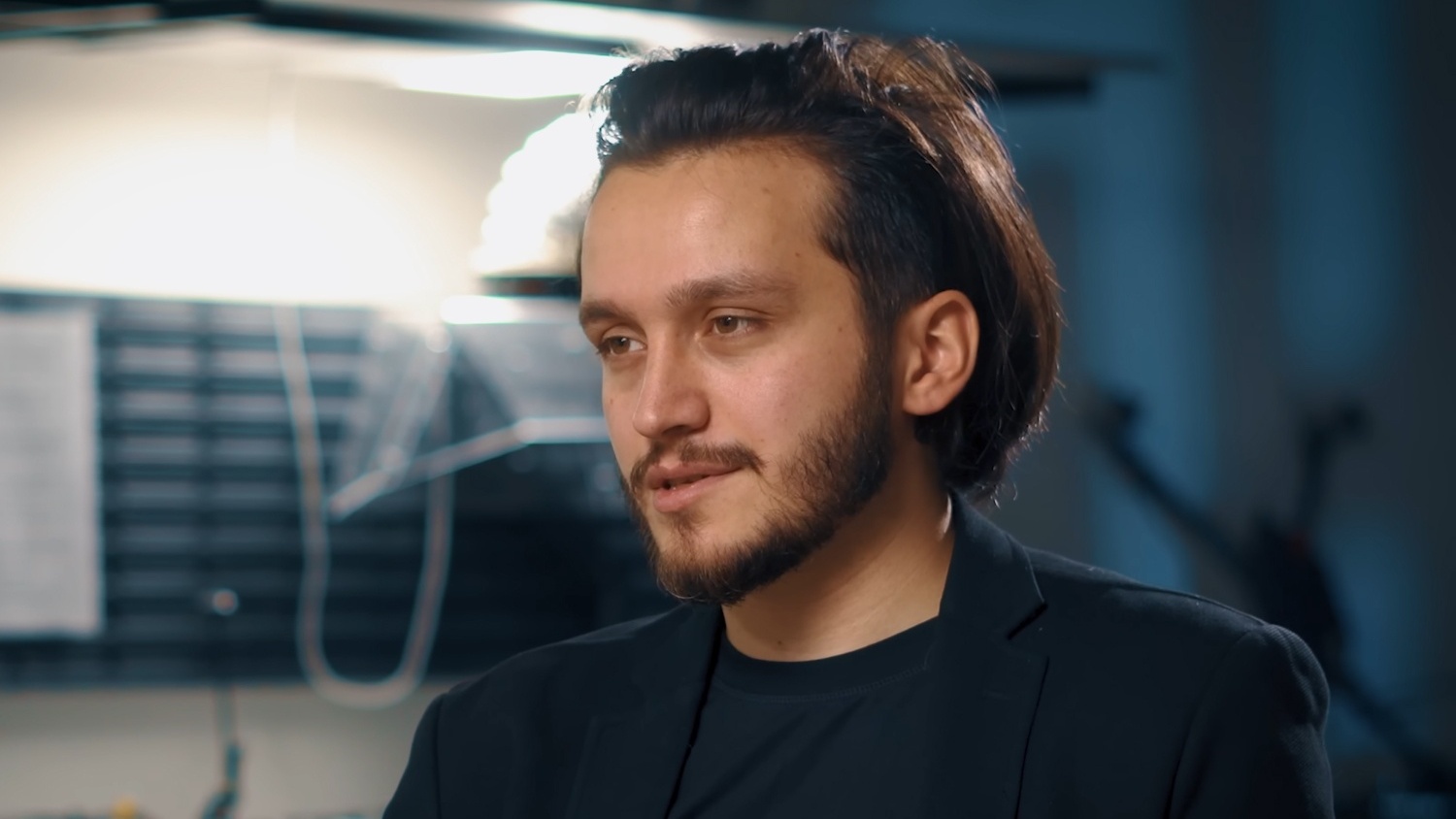
On February 25 businessman Oleksiy Babenko, owner and CEO of drone manufacturer Vyrij Industry, became the owner of 75% of LLC «Babel». He bought the stake from the Slovak company IG s.r.o. The remaining 25% stays with editor-in-chief and co‑founder Kateryna Kobernyk; she retains her editorial position, and no changes to the team are planned at this time.
What the new owner says
"Strong and independent media are one of the foundations of a strong and independent state in which I want to live. Acquiring a stake in 'Babel' is only the beginning. Together with the editorial team, we will be able to change the landscape of Ukrainian media"
— Oleksiy Babenko, owner of Vyrij Industry
Brief history of «Babel» and its financing model
«Babel» was launched in autumn 2018 under the brand "The Babel." Early investors included businessman Ihor Kolomoisky and top managers of 1+1 media, Yaroslav Pakhaltchuk and Oleksandr Tkachenko. In December 2019 the outlet temporarily suspended operations due to a halt in funding, but in March 2020 it resumed with new investors — later their shares were registered under the Slovak firm IG s.r.o.
In recent years the outlet has operated without additional investments from shareholders: financing was provided by grants from international donors, advertising revenue, and audience donations. The editorial team also strengthened work with its own community and mutual support projects.
What will change — risks and opportunities
Such a deal has two obvious dimensions: investment and editorial. On one hand, the arrival of a businessman with resources could mean investments in product development, technology, and expansion of journalistic projects. On the other hand, concentration of ownership creates risks for the perceived independence of the outlet, even if the editorial team formally remains in place.
Media experts note that when ownership changes occur without transparent guarantees of editorial autonomy, vulnerability to invisible influence increases. Therefore the key question is whether mechanisms to protect editorial independence will be signed and published.
What matters to the reader
For the audience, this is a question of trust: will the format of critical investigations be preserved, and will the tone of materials remain unchanged despite the business interests of the new owner. At the same time it is an opportunity: additional resources could improve the quality of journalism, expand special projects, and invest in digital services.
Conclusion
A change of owner is neither a verdict nor a guarantee. It is the beginning of a new stage that should be judged by actions, not statements. Now it is important to watch two things: 1) whether rules on editorial autonomy will be published, and 2) what investments will be directed to content and infrastructure. The answer to these questions will determine whether the deal becomes a step toward strengthening independent media in Ukraine or a test of their resilience.



