Yamal gave the Kremlin €7.2 billion in 2025 — how European LNG imports undermine energy resilience and heighten risks for Ukraine
As Brussels postpones a full ban until 2027, European ports have turned Arctic LNG into a regular source of revenue for the Russian Federation. Why this matters for the EU’s security — and for us — we examine the facts.

By Tetiana Suchkova-Ladik
January 8, 2026 · 2 min read
Data and scale
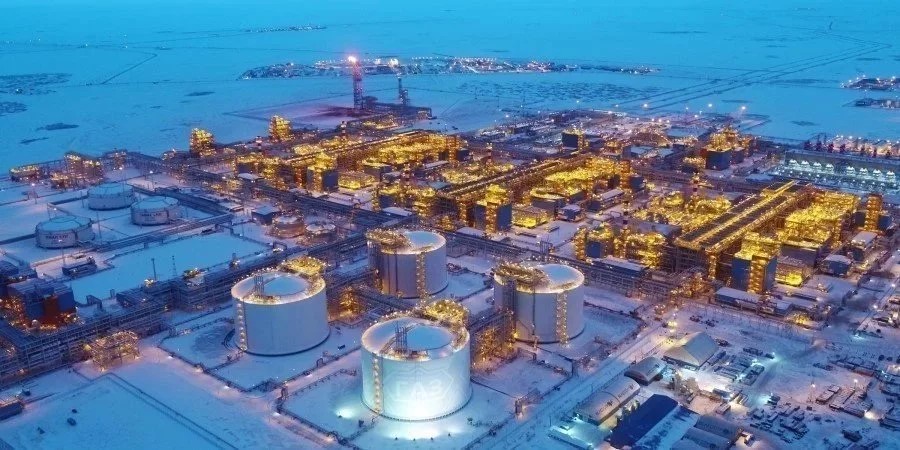
According to human-rights organization Urgewald and a report in The Guardian, more than 15 million tonnes of liquefied natural gas from Yamal reached EU ports in 2025 — giving Russia about €7.2 billion in revenue. Even despite Brussels' promises to ban such shipments by 2027, volumes have not declined, and the EU's share of global exports from Yamal has risen to 76.1%.
"During 2025, over 15 million tonnes of liquefied natural gas from the Yamal complex reached European terminals — this brought the Russian Federation approximately €7.2 billion."
— Urgewald, human-rights organization / data for The Guardian
Logistics and the role of ports
The Yamal project is critically dependent on European infrastructure: specialized icebreaking tankers of the Arc7 class use EU ports for quick unloading and return to the Arctic. For example, the Belgian port of Zeebrugge received 58 vessels (4.2 million tonnes) in 2025 — more than all Chinese ports combined (51 ships, 3.6 million tonnes). And France became the largest importer — 87 voyages and 6.3 million tonnes to Dunkirk and Montoir.
"European ports give Russia an operational advantage: ice-class tankers quickly return for new loads instead of long voyages to Asia."
— The Guardian (overview of Yamal–EU logistics)
Why this is happening
Three key factors explain the persistence of the flow: first, LNG imports are legally permitted and often economically more profitable for certain European energy companies; second, countries in Central and Eastern Europe still have limited supply diversification; third, the existing infrastructure (terminals, logistical chains) makes the routes short and cost-competitive.
Consequences for the EU and Ukraine
Purchasing Russian LNG today is not only an energy issue but also a geopolitical one. Money flows into the Russian budget in a wartime and political context; logistical dependence complicates the option of swift sanctions; and at the same time it reduces diplomatic pressure that could raise the cost of aggression against neighbours, including Ukraine.
For Ukraine this has several practical consequences: economic pressure on the Kremlin is reduced, international coordination of sanctions becomes more difficult, and the risk grows that energy arguments in negotiations may outweigh political demands to hold the Russian Federation accountable.
What to expect next
The EU's declarations about a planned ban by 2027 face reality: infrastructure and company interests slow the transition. Analysts insist on three practical steps: strengthen supply chain transparency (who insures and services the tankers), agree on timelines and compensation mechanisms for countries dependent on Russian LNG, and accelerate investments in alternative sources and terminals.
The question to partners is simple: are European capitals ready to turn declarations about energy independence into concrete steps before 2027 — or will business logistics and existing interests continue to preserve significant revenues for the Kremlin? The answer will also determine our strategic position.



