Japanese chemical giants cut ethylene production: Strait of Hormuz blockade hits global supply chains, with implications for Ukraine
Mitsubishi Chemical and Idemitsu Kosan have suspended part of their ethylene production due to a shortage of ligroin following the blockage of the Strait of Hormuz. We explain why this is not just a Japanese problem and how it could affect prices and logistics — including for Ukraine.

By Tetiana Suchkova-Ladik
March 9, 2026 · 2 min read
What happened
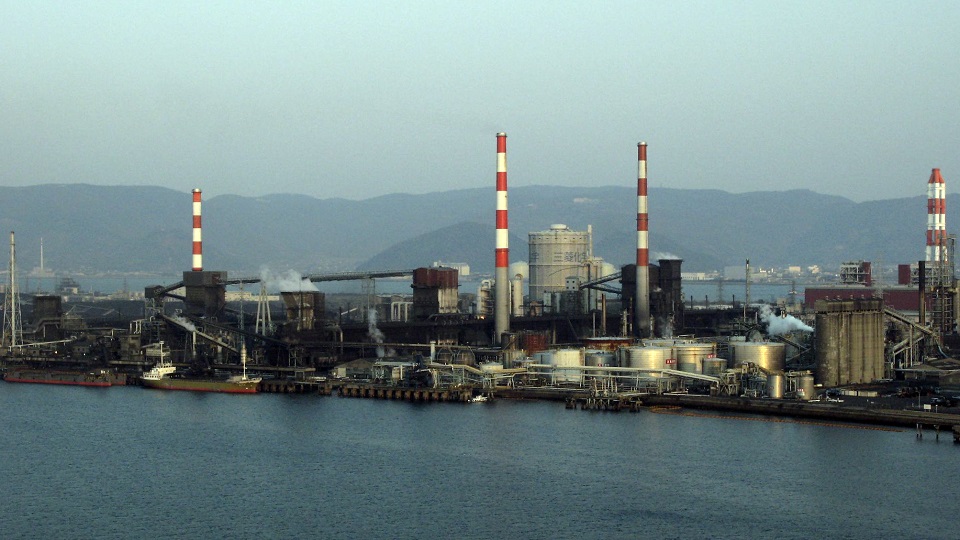
According to reports from Nikkei and Nippon, the Mitsubishi Chemical group has begun cutting ethylene production at its complex in Ibaraki Prefecture. The reason is a shortage of the petroleum distillate ligroin, whose supplies have been disrupted by a blockade of the Strait of Hormuz amid regional escalation.
The Ibaraki plant has a capacity of about 485,000 tonnes per year, roughly 8% of Japan's total ethylene output. Idemitsu Kosan has also warned business partners of potential suspensions at its Yamaguchi and Chiba sites — together accounting for about 16% more of the nation's capacity.
Why it matters
About 20% of global oil and LNG shipments pass through the Strait of Hormuz — disruptions to this route quickly reverberate through feedstock flows for refining and the chemical industry. As LIGA.net explains, such interruptions have already pushed fuel prices in several regions.
Ethylene is a basic feedstock for producing polymers and plastics. A prolonged reduction in output means lower inventories of finished products, longer recovery times after shutdowns, and increased price pressure across global supply chains.
"This step is intended to avoid stoppages due to an expected reduction in supply."
— Mitsubishi Chemical, official statement
Impacts for markets and for Ukraine
In the short term — higher prices for polymers and fuel due to reduced shipments and logistical delays. In the medium term — a redistribution of supplies: companies will seek alternative sources of ligroin or reconfigure production lines.
For Ukraine this has several practical dimensions: first, rising global fuel prices increase logistics and energy costs; second, shortages of certain polymers can complicate deliveries of materials for industrial production and infrastructure restoration. Thus, even geographically distant shocks affect our economic and defense readiness.
What’s next
Mitsubishi plans to cut production and coordinate with customers, and some facilities have scheduled maintenance of about two months — a period during which usual inventories could be exhausted. If the blockade of the Strait of Hormuz continues, the measures expected from Japanese firms could turn into a longer period of constraints.
Experts and leading publications (Nikkei, Nippon, LIGA.net) point out that the current consequences are an opportunity for European and Ukrainian importers to reassess supply chains, strengthen diversification, and build contingency mechanisms. The decisions governments and companies make in the coming weeks will determine whether this remains a temporary shock or becomes a more lasting market realignment.
Summary: the situation is a telling demonstration of how military-political escalation in one part of the world can disrupt industrial cycles at the other end. The question for us is: how swiftly can business and the state minimize the effects on Ukraine's energy and material security?



